


Introduction: A Morning at the Town Hall
Here’s a plain truth: most meetings fall apart before folks even take a seat. Our paperless conference system sat in the corner like a shiny tractor with no fuel. We had stacks of last-minute printouts, a few dead tablets, and a budget that kept getting nicked by ink and courier runs. The numbers didn’t lie either—about 30% of sessions started late, and a quarter of handouts went unread (and straight to the bin). I’ve seen it in small towns and big outfits. The room runs the people, not the other way around.
Now, why do many setups still wobble? Old workflows lean on paper like it’s a crutch, and folks get nervous when screens blink or the network flickers. Add in jargon—latency, bandwidth ceilings, edge computing nodes—and the crew starts to tune out. But the real issue isn’t the tech. It’s how we plan, deploy, and keep things simple under pressure. So, if your goal is fewer delays and clearer voices, what should you fix first—and how do you keep it fixed? Let’s walk through that (boots on, nothing fancy) and set up a better way forward.
Where Traditional Setups Hide the Trouble
Where do meetings actually fail?
The first cracks show up where people expect ease but get friction. A wireless conference system is supposed to cut cords and fuss, yet bad RF spectrum management and weak signal planning can ruin a session before it starts. Microphone pick-up drifts. Latency budgets get blown when routers juggle too many devices. Security patches lag, so admins switch off AES encryption “just for today.” Then someone toggles a setting, and the room goes quiet—funny how that works, right? When the basics wobble, paper rushes back in as the “safe” fallback. Look, it’s simpler than you think: people don’t hate change; they hate surprises.
Hidden pain points live in small moments. Chairs turn and voices drop, so far-end folks miss key points—even with decent DSP and beamforming mics. Tablets lose charge because power converters and charging carts are afterthoughts, not part of the plan. Slides look crisp on one screen and washed out on another, thanks to unmanaged HDMI handoffs and uneven Wi‑Fi QoS. Moderators juggle access rights in the middle of a vote. IT can’t patch at peak times, so firmware drifts two versions behind. Paper slips back in to “rescue” agendas, but it also kills version control and audit trails. The traditional fix—more wire, more print—just adds complexity. A better path focuses on stable radio design, smart caching at the edge, and role-based controls that are easy to see and use under stress.
Comparative Outlook: From Heavy Hardware to Smarter Rooms
What’s Next
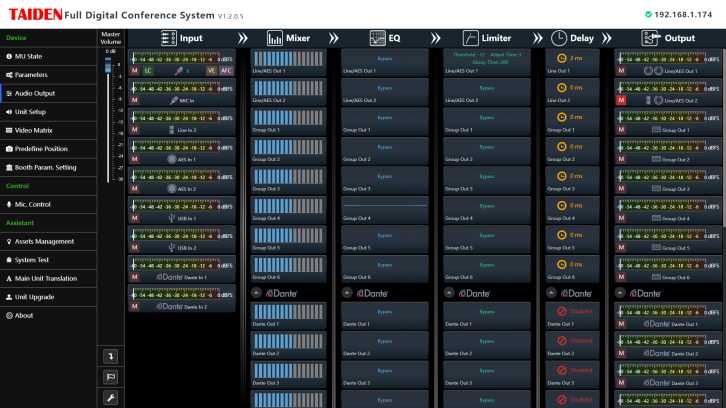
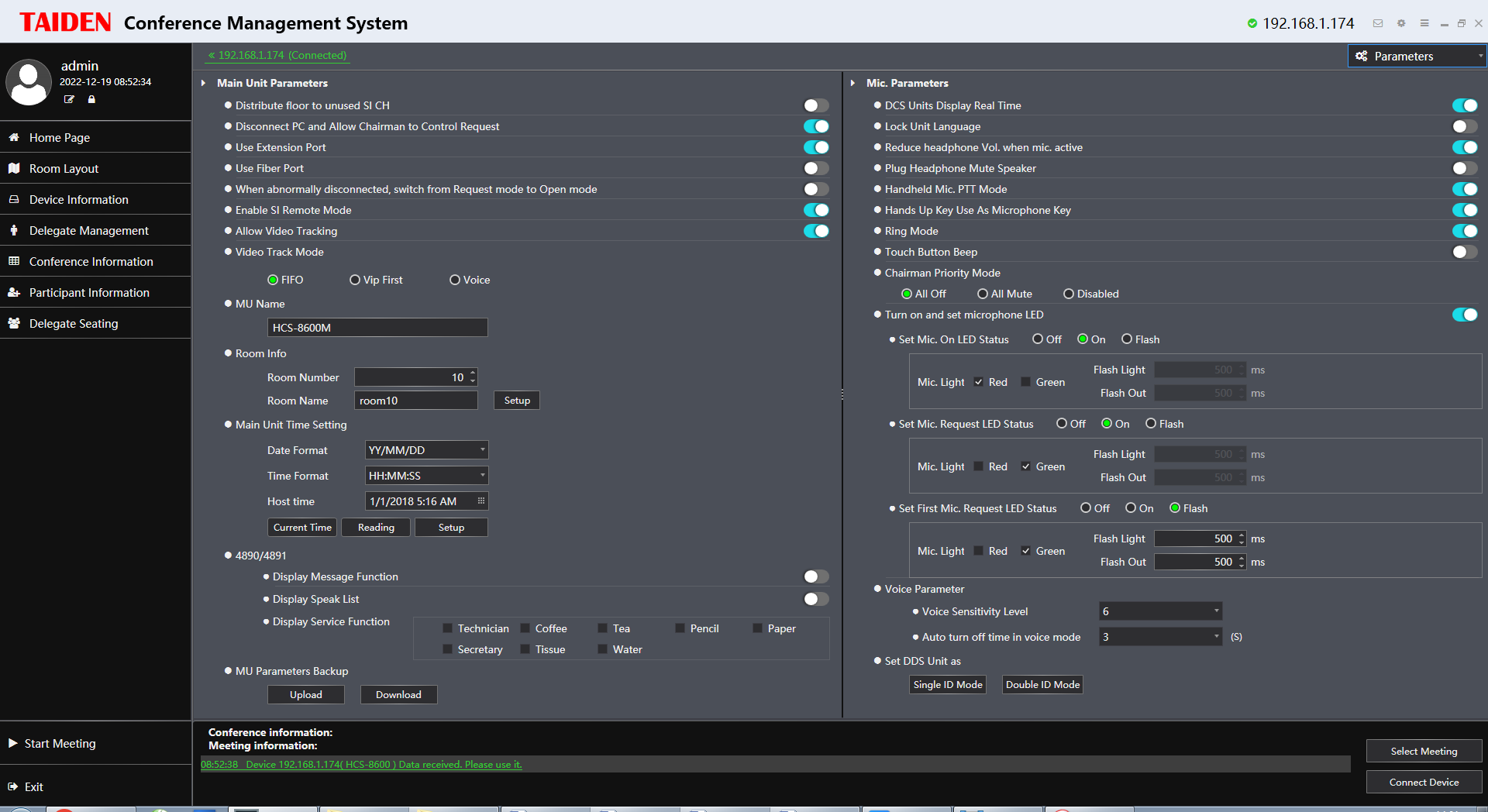
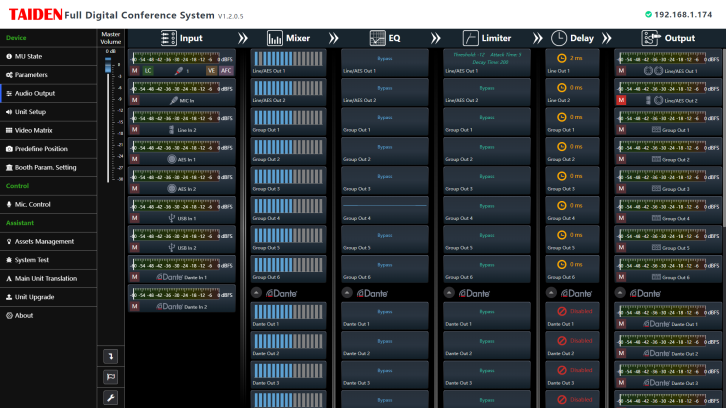
Think of the modern room as a calm network with clear lanes. New technology principles make that real. Mesh audio backbones reduce single-point failures. Local edge caching keeps agendas and media close to the room, so even if the cloud hiccups, playback and voting continue. Auto-calibrated gain and adaptive noise suppression protect speech even when doors slam or HVAC hum rises. Session persistence means if a tablet reboots, it rejoins with the same permissions and timestamps. Compared to old carts and tangled cables, this is lighter, clearer, and easier to fix—because each block does one job well. You can also fold in a smart multimedia meeting system to unify screens, microphones, and voting under one control plane (no hunting for five remotes).
Here’s how to judge the difference without guesswork—advisory mode, short and straight. 1) Reliability under load: test with full rooms, measure packet loss, and set a hard cap on end-to-end latency for speech and vote tallies. 2) Security without pain: insist on default AES, device attestation, and fast rollback if an update misbehaves. 3) Operability in the wild: can non-experts assign roles, start a vote, and recover a mic in under 30 seconds? Put this head-to-head against your old cart, your wired desks, and your print workflow. The winner will show steady audio, stable control, and fewer hands waving for help—funny how that quiet tells the story. If you keep one habit, make it this: design for the moment things go wrong, not for the demo. That’s how a paperless room stays paperless, and people stay focused on the point. Learn more from folks who build these blocks for real-world rooms at TAIDEN.
