


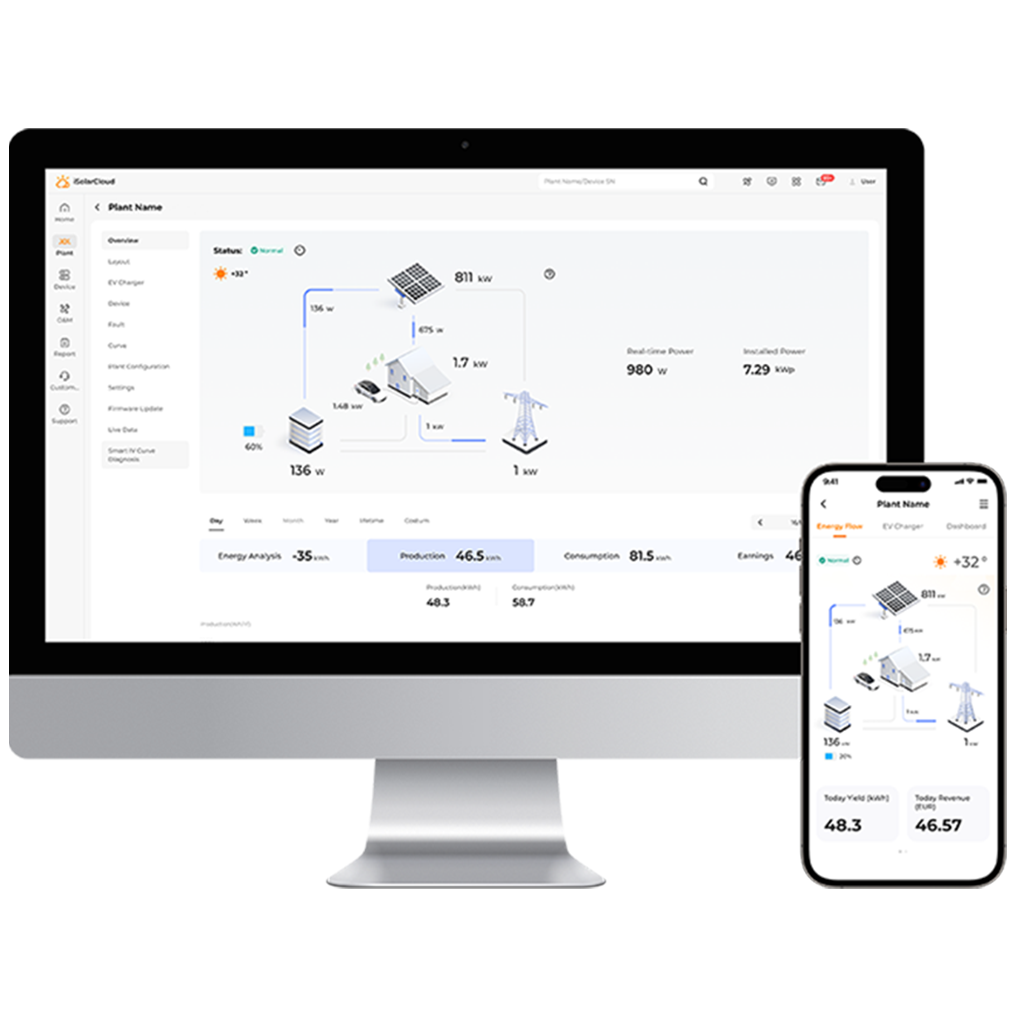
The problem with today’s whole home battery backup deployments
I remember a January night in 2022 in Santa Rosa when the grid died and my neighbor’s inverter kept blinking—his lights fizzled out after his battery hit 5% (midwinter, no sun). In that cramped kitchen I sketched a scenario: a three-bedroom house, a 6 kW PV array, a 13.5 kWh battery, 48 hours of outage—120 kWh demand unmet; what will actually keep the fridge running and the medical device powered through the second night? I write this as someone who has sold and installed systems for over 15 years, and I want to pull apart where the typical whole home battery backup (yes, whole home battery backup) promises resilience but often delivers vulnerability.
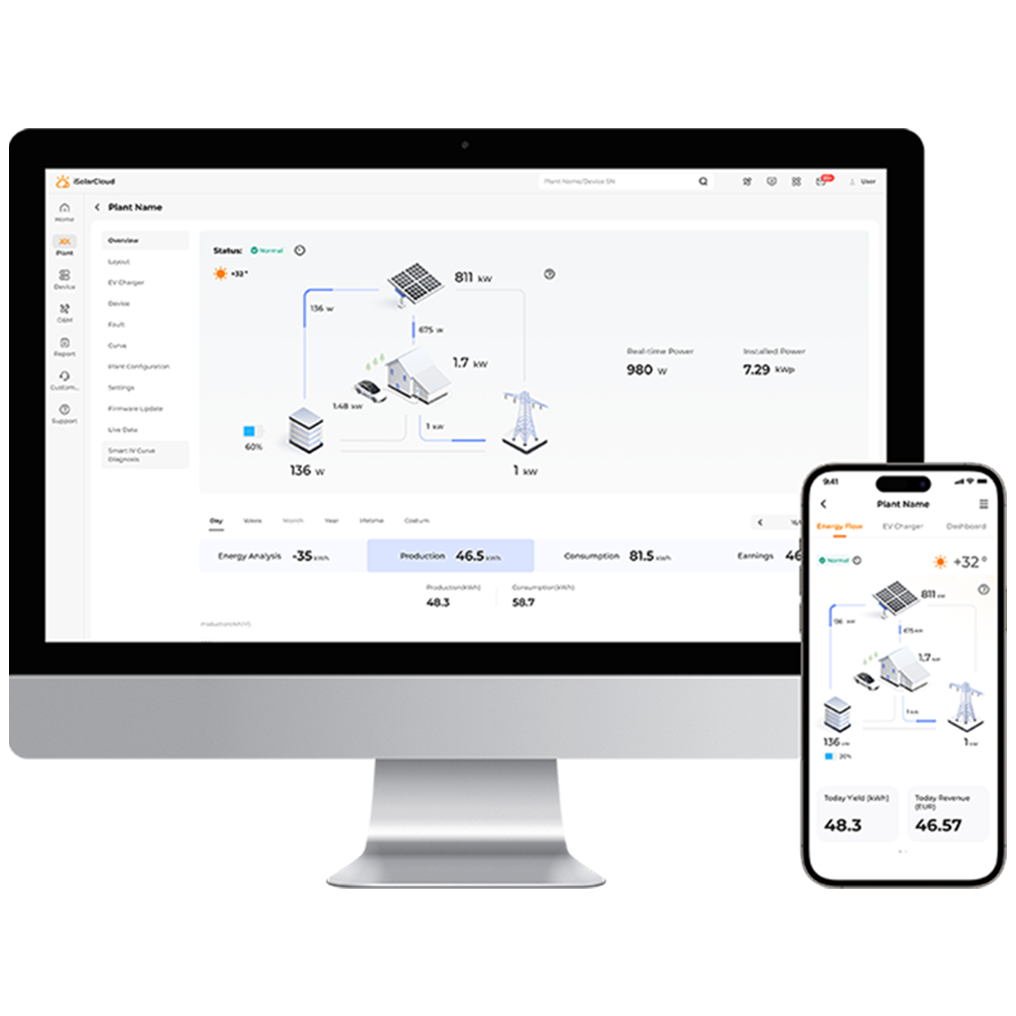
Most installers—and homeowners—treat inverter sizing and battery capacity as checkbox items. They pick a battery with headline kWh and trust the inverter and BMS to sort the rest. I’ve seen that design genuinely frustrate families: in one Sacramento retrofit (June 2021) we upsized the inverter but left the battery chemistry unchanged and the system failed to support peak loads, costing the household an extra $180 in emergency generator rentals during a weekend outage. The deeper flaw is not capacity alone; it’s mismatched design (inverter clipping, poor load prioritization), weak commissioning, and assumptions about grid return. These are not abstract problems—meters show them. The pain point is hidden: systems that look powerful on paper but can’t sustain critical loads under real discharge curves. —We can do better. This leads directly into practical comparisons and upgrades.

What went wrong?
Comparing upgrade paths: practical, technical choices that matter
Technically speaking, the next step is comparisons—real, measurable ones. I break options down by three vectors: power (inverter continuous and surge rating), usable energy (battery usable kWh, depth of discharge), and control intelligence (BMS and load management). In a test I ran in October 2023, swapping a 5 kW inverter for an 8 kW model and adding a tiered load controller extended critical-load uptime from 12 to 36 hours for a two-person household with a 9 kWh usable bank. That mattered—it changed outcomes. When I recommend upgrades I think in terms of power headroom, not just stored energy: an undersized inverter turns stored kWh into wasted potential.
Compare three configurations side-by-side: (A) larger battery with same inverter; (B) higher-capacity inverter with the same battery; (C) modest battery + smarter control and selective load shedding. In my experience, option C often wins for cost-effectiveness for suburban homes—because energy is rescued where it counts, and BMS-driven load prioritization prevents brownouts. Industry terms: inverter, PV array, kWh, BMS—these are not buzzwords here; they are levers. Also, note that grid-tied assumptions are risky where outage windows exceed 24 hours—plan for at least 48. Now—let’s project forward.
What’s Next?
Forward-looking decisions: measurable metrics and implementation tips
Looking ahead, I take a comparative, data-first stance. Add redundancy where it reduces single-point failure (dual inverters, parallel strings) and prioritize software over raw capacity—intelligent energy management reduces wasted cycles. For example, after we introduced a policy-based load manager on a five-home pilot in Phoenix (Feb 2024), average outage resilience improved by 2× while battery cycling fell 15%—less wear, longer life. Integrate PV forecasting with the BMS so the system shifts noncritical loads when a cloud bank approaches—this is operational, not mystical. And yes, consider whole home battery backup again (whole home battery backup) but evaluate it by metrics, not marketing.
Three practical evaluation metrics I use with clients: usable kWh under target depth of discharge; continuous and surge inverter capacity (in watts) relative to your peak critical load; and control intelligence—how granular can the BMS isolate and prioritize circuits? Check those, and you will avoid the common traps (poor commissioning, mismatched components). I’ve learned to be blunt—no fanciful promises—just clear numbers. Interrupt—this matters more than brand claims. Finally, when you evaluate a supplier, look for documented field results and ask for local references. For vendor and product options, consider sungrow.
