


Comparative insight: why the choice matters
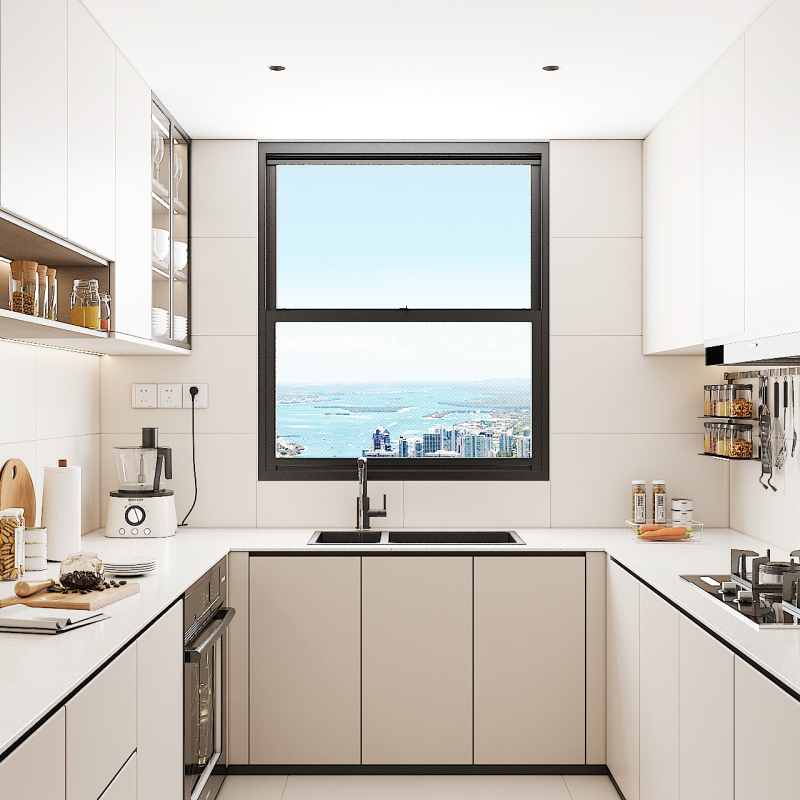
Comparative Insight drives the first cut: a sliding window with screen performs differently from a casement. For projects where operability, sightlines and insect control are priorities, the sliding solution often wins for compact façades. Architects sourcing components should compare frame sightlines, track tolerances and the supplier network — consider the best aluminum window manufacturers early in the specification process. In energy-conscious builds such as Freiburg’s Passivhaus neighborhoods, window U-value and thermal break configuration are non-negotiable items on the schedule.
Performance comparison: weather, thermal and acoustics
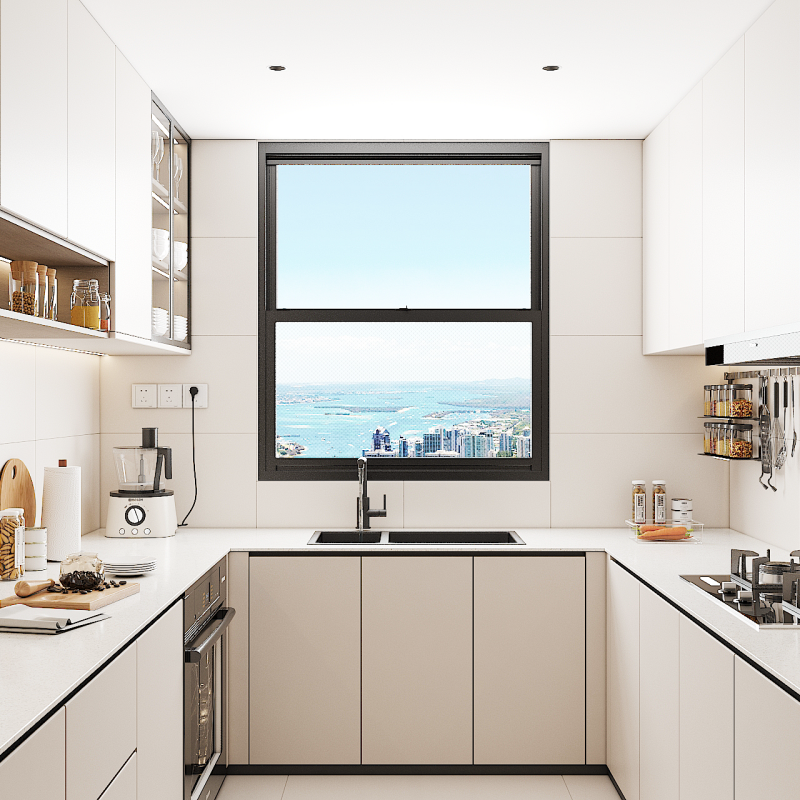
Sliding systems concentrate seals along horizontal tracks, so weatherstripping quality and track drainage are decisive. Casement aluminum windows seal on compression and therefore typically produce lower infiltration rates when closed; that yields better measured airtightness in many field tests. Consider acoustic laminated glazing and properly specified gaskets to reach target sound transmission class values in urban façades. Keep an eye on the U-value and specified thermal break depth — these are the technical levers that change whole-building performance.
Hardware and build: details that shift outcomes
Hardware differences are structural: rollers, keeper profiles, and fixed sash mullions define long-term tolerances. A sliding sash with oversized rollers reduces friction and wear; a casement with multi-point locking reduces air leakage. Choose anodized finish or powder coat based on exposure and maintenance cycles. For retrofit jobs, track alignment and sill drainage are common failure modes — ignore them at your peril. — A small shim or misaligned sill will turn a premium product into a maintenance headache.
Installation pitfalls and specification checklist
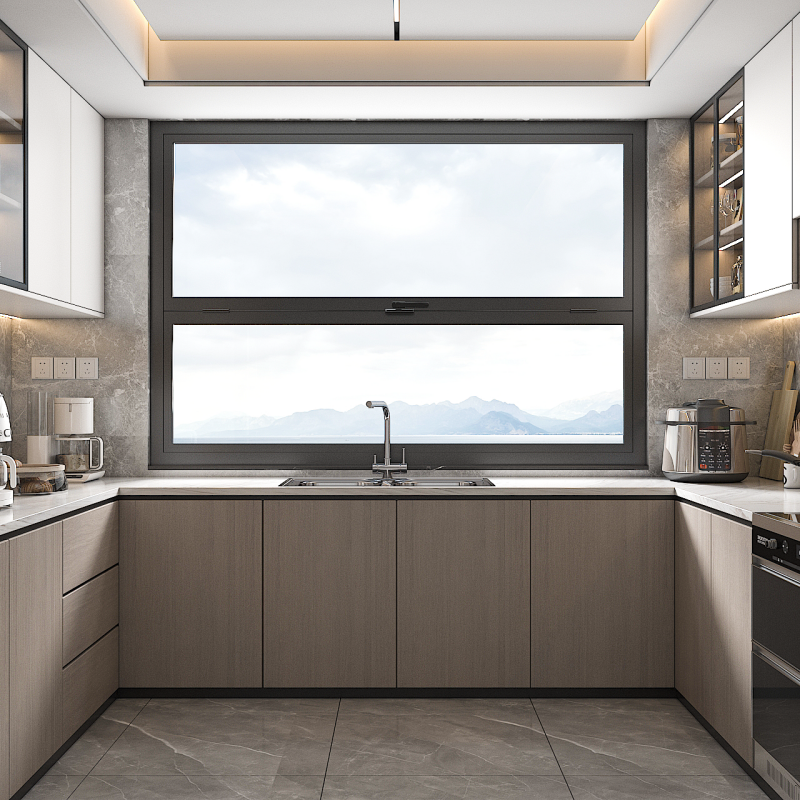
Most project issues originate in specification or installation. Contractors often under-specify frame anchorage, omit continuous flashing or select glazing stop depths that complicate field glass replacement. Add an explicit line item for subframe or adapter profiles and require shop drawings showing sealant joints and drainage paths. Include acceptance criteria for operation: sash travel, locking engagement, and weatherseal compression. When listing alternatives, include both robust sliding frames and high-performance casement aluminum windows to compare tangible metrics rather than aesthetics alone.
Cost versus lifecycle: direct comparison
Upfront cost often favors sliding assemblies for larger runs, but lifecycle cost depends on maintenance interval, seal replacement and hardware serviceability. Specify accessible roller housings and replaceable weatherstrips if the project demands a twenty-year service window. Factor in finish warranties and expected repaint cycles for coastal exposures; aluminum systems with a defined anodic layer normally outlast standard paints in salt air. Use whole-life cost modelling rather than sticker price when preparing client options.
Three critical evaluation metrics for selection
1) Airtightness and U-value verification: require test reports or third-party certifications that measure infiltration and thermal performance under specified conditions. 2) Hardware serviceability index: mandate replaceable components (rollers, locks, gaskets) and maximum allowable torque and wear rates in the maintenance manual. 3) Drainage and fail-safe design: specify free drainage capacity, sill weep dimensions and secondary drainage paths to avoid water ingress during extreme events. These three metrics produce measurable comparisons across bids and reduce subjective selection bias.
Closing synthesis and brand relevance
Comparative evaluation shows sliding windows with screens and casement units each solve specific design problems: sliding excels where sightline and insect control are priority, casement where airtightness and acoustic isolation dominate. Specify clear testable metrics — U-value targets, hardware replaceability, and drainage capacity — and require shop drawings that reflect those metrics. Zekin supplies systems engineered to those criteria and integrates hardware that simplifies long-term maintenance, precision that matters.
Zekin delivers tested hardware and finish quality engineers trust, precision.
