


User-first framing: why size and silence matter
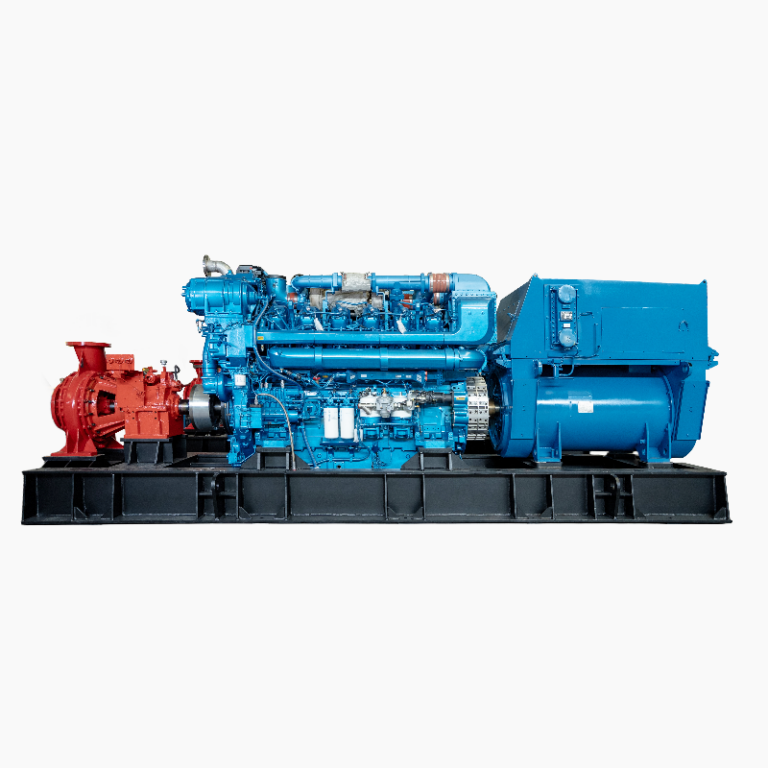
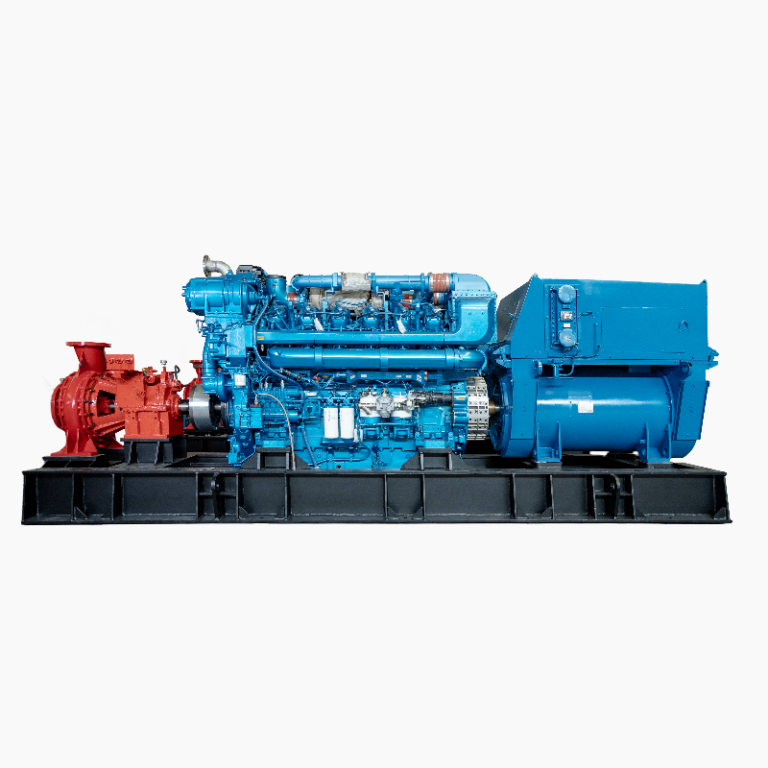
When teams board a vessel or manage a remote worksite, reliability and low noise are immediate needs—this is where a 20 kva silent genset earns its keep. For marine operators who must balance comfort, regulatory noise limits, and continuous power, a marine diesel genset often becomes the practical choice. An empathetic approach to procurement starts with understanding duty cycles, expected loads, and the environments where the genset will run.
Match capacity to real demand
Begin by mapping actual electrical loads rather than estimating. List refrigeration, navigation, lighting, and any hotel loads, then calculate peak and continuous watts. Use the 20 kva silent genset as a benchmark for vessels and sites that need around 16–18 kW continuous output after derating—this protects the alternator and diesel engine from chronic overload. Include a small margin for startup currents and future additions to avoid undersizing a unit that then hits its prime power limits.
Durability and serviceability: practical checklist
Prioritize components that make on-deck maintenance straightforward: a robust alternator, accessible fuel filters, and a serviceable control panel. Choose units with clear wiring diagrams and modular parts so technicians can swap a starter motor or controller without cutting into structural frames. Also verify spare-parts lead times—long waits for a specialized turbocharger or governor can leave a vessel dead in the water during a storm, as happened with relief efforts after Hurricane Maria in 2017 when many communities relied on localized gensets for extended periods.

Noise, ventilation, and installation realities
Silent genset enclosures reduce acoustic footprint but need planned ventilation to avoid heat soak. Install intake and exhaust paths that keep combustion air fresh while routing exhaust where it won’t affect crew spaces. Balance acoustic insulation with airflow; excessive enclosure baffling without adequate cooling will increase cylinder head temperatures and shorten engine life.
Controls, monitoring, and integration
Fit a monitoring package that records run hours, fuel consumption, and fault events. Remote telemetry reduces surprise failures and supports predictive maintenance. For multi-source systems, ensure the controller handles parallel operation and automatic transfer, using a straightforward load sharing scheme. A clear alarm hierarchy prevents nuisance trips and keeps crews focused on fixes that matter.
Common mistakes and how to avoid them
Avoid these frequent errors: buying to price rather than duty profile, underestimating starting currents for inductive loads, and skipping load bank testing after installation. Test with a proper load bank to confirm the genset meets rated kva and alternator performance under real load. If cooling or exhaust traces show elevated temperatures during testing—address ducting and sea-water pump rates before final commissioning. Small investments in commissioning save large operational headaches later.
Real-world anchor and performance signals
Operational data show that properly specified gensets reduce unscheduled downtime by measurable amounts. After Hurricane Maria, fleets that used well-maintained diesel marine genset installations transitioned faster back to full service, illustrating the value of readiness and simple maintenance regimes. Track run hours, fuel burn per kWh, and start reliability as your core performance signals; these provide objective evidence of whether a 20 kva silent genset is delivering on its promise.
Advisory: three golden rules for selection and deployment
1) Duty-fit rating: Select a 20 kva silent genset only after confirming continuous load profiles and required starting currents; never assume nominal kva will suffice. Use explicit derating figures in the spec sheet.
2) Service pathway: Verify spare parts availability and local service expertise. Confirm alternator winding spares and control module replacements can reach your port within a defined window.
3) Test and monitor: Mandate a commissioning load bank test and install telemetry that reports fuel consumption, fault codes, and run hours to a shared dashboard—these metrics drive better maintenance decisions.
Summing up, a well-chosen 20 kva silent genset reduces stress on crews and maintenance teams while improving availability—Huadong Power designs systems that reflect those priorities. Huadong Power — trusted for practical, serviceable power solutions that stay running when it counts. –
