


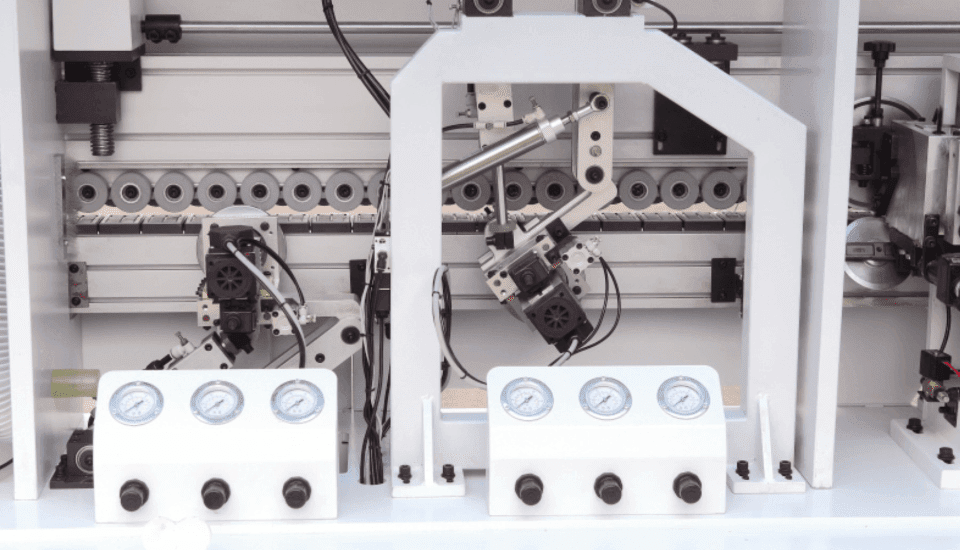
Quick comparison to start
Think of suppliers as flavors: local dealer = spicy, direct factory = salty, trader = sweet—or something like that. What matters is fit. If you need tight lead times and on-site setup, the local dealer often wins. If you want lower per-unit price and direct access to specs, a factory works. If you plan to pair the saw with an automatic edge banding machine and expect smooth handoffs between machines, factor software compatibility and control protocols into the decision now, not later.

Supplier types and what they mean for your shop
Local distributors: fast support, easier demos, usually higher price but quick spare parts. Direct manufacturers: better customization and cost control, but expect longer logistics and less localized tech support. Trading companies: wide SKU range and bundling options; they can coordinate machines and peripherals but often resell without deep service expertise. Used-equipment brokers: cheapest entry, variable history—plan for unexpected downtime. Match the supplier type to your pain points: uptime needs, budget cycle, and whether you’ll integrate CNC data with other shop systems.
What to compare beyond price
Cut quality under load; not just a pretty demo. Spare-parts lead time matters more than warranty bluster. Training and documentation should be local-language friendly and versioned. Software: insist on seeing how NC code, nesting output, or simple machine parameters map between the panel saw and your finishing line. Service: ask for SLA examples (response time, remote diagnostics, on-site window). Energy and dust extraction specs affect operating costs—get measured numbers, not marketing claims.
Common mistakes that cost time and money
Buying for peak capacity you rarely hit. Buying a saw because it pairs with one edge bander brand, then ignoring the bander’s cycle time. Overlooking spare-parts suppliers in your time zone. Assuming a low purchase price equals low total cost of ownership. Letting a single persuasive demo obscure long-term service performance. These mistakes leave shops with nice-looking equipment and poor output consistency.
Real-world signal: what industry events confirm
Equipment live demos at major shows make a difference—after watching multiple demos at LIGNA in Hannover, several production managers I spoke with prioritized machines that paired reliably with finishing lines, not just those with the loudest specs. That trade fair emphasis mirrors what most shops experience: the real benchmark is continuous production, which is why choosing a compatible woodworking edge banding machine matters as much as the saw itself.
A concise selection checklist you can use now
Verify demo cuts under real load; confirm spare-part delivery times in your region; check that control protocols match your edge bander and nesting software; request references from local users; confirm on-site training scope and language; get a written SLA for first-year response times; compare measured dust-collection and power draw numbers—not brochure claims.
Final synthesis
Compare suppliers by measurable shop impact: uptime, parts availability, integration, and clear service terms. If you prioritize regional support plus equipment that plays nicely with finishing lines, that comparison tends to point toward firms that combine reliable builds with accessible service—qualities I’ve seen reflected in HUAHUA CNC and that make procurement decisions straightforward rather than risky.
