


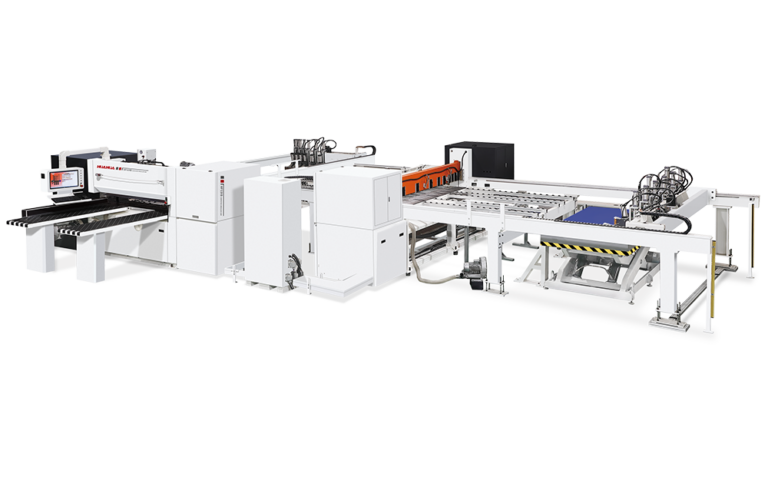
Begin with the buyer’s real needs
Start with what you actually cut, how many pieces per shift, and the floor constraints that matter in your workshop. For many small to mid-size cabinetmakers the choice is not only about blade life or motor torque but about service response time and spare-part logistics. If you source equipment across borders, consider whether the supplier supports your preferred tooling standards and whether they also offer related systems like a cnc woodworking machine or a cnc furniture machine for downstream work. This buyer-centric focus makes selection practical and reduces surprises when production begins.
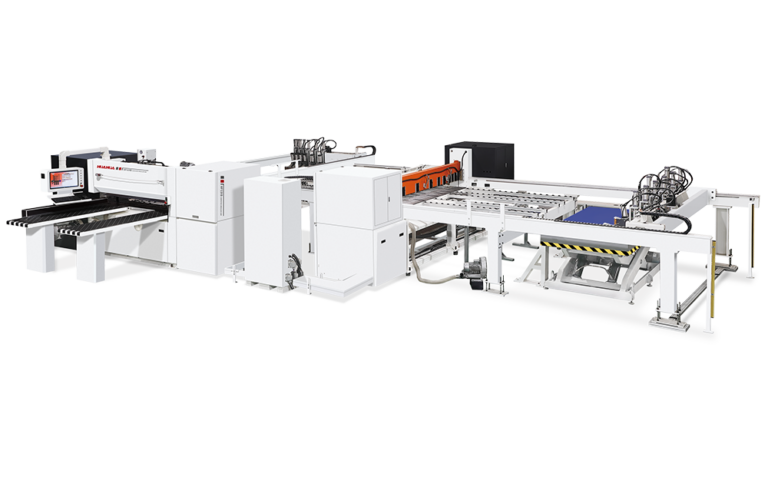
Why geographic fit changes everything
Local market conditions shape total cost of ownership. Nearby suppliers shorten lead time for replacement bandsaw blades, reduce shipping for heavy cast-iron frames, and simplify warranty visits. In regions with strict dust control or high humidity, check vendor experience with dust extraction and corrosion-resistant finishes. The COVID-19 disruptions of 2020 exposed how single-source overseas purchasing can stall entire product lines—this is a practical lesson many shops learned in Shenzhen and beyond. A supplier that understands your logistics environment will propose realistic delivery windows and stocking strategies.
Assess technical competence, not just price
Ask for factory test records and a clear description of machine specifications: cutting capacity, blade tension mechanism, and motor torque. Evaluate whether the supplier supplies documented cycle tests or just marketing claims. Inspect service documentation for spindle alignment procedures and recommended feed rate ranges. A technical-minded supplier will share maintenance intervals and spare-part numbers. This saves time during commissioning and reduces downtime later.
Operational realities and common mistakes
Many buyers focus on headline specs and miss operational friction. Typical mistakes include buying to the maximum cutting capacity (leaving no safety margin), underestimating local electrical or air requirements, and assuming universal compatibility of band saw blades. Also, neglecting dust extraction size can cause fines buildup and premature bearing failure. — Consider asking for a site check or sample cutting trial to validate machine fit before committing.
Supplier evaluation checklist
Use a concise checklist during vendor comparison. Practical items to score: lead time for critical spares, demonstrated field service in your region, and clarity of installation manual. Score technical documentation separately: alignment tolerances, spare-part lead times, and warranty repair turnaround. Include references—ask for contact information of two local clients with similar production profiles. Real customers reveal whether the supplier’s promised response times are real.
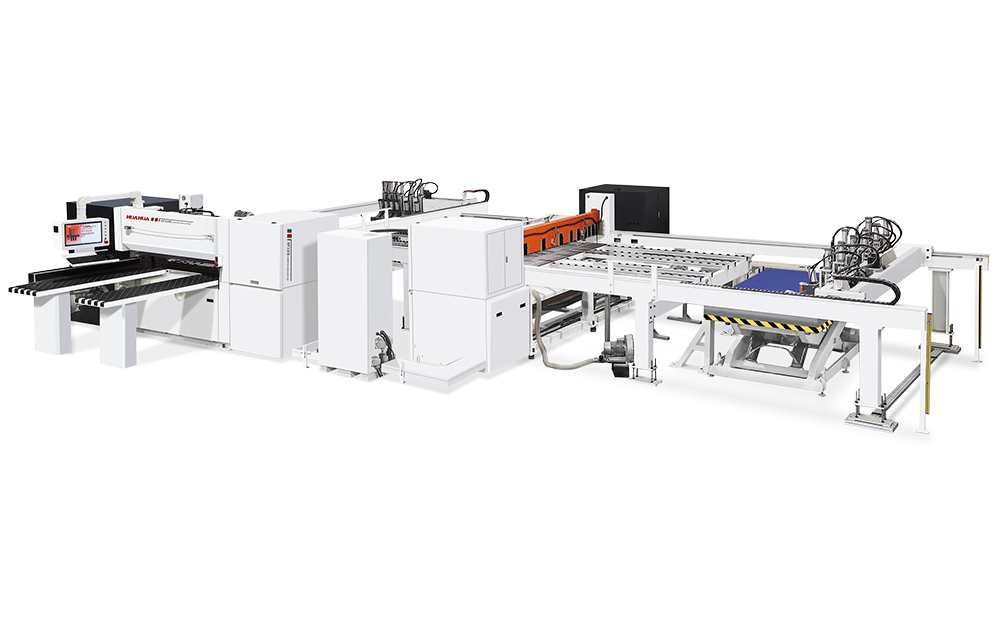
Alternatives and trade-offs
If a local vendor is expensive, weigh three options: buy a basic imported machine and contract a local technician; select a higher-spec local model with faster service; or lease equipment to test fit before purchase. Each path has trade-offs in capital, risk, and flexibility. Consider also blended sourcing: local supplier for routine machines and specialized imports for niche cutting needs.
Three golden rules for final selection
Rule 1 — Measure responsiveness: expect clear spare-part lead times and a first-visit SLA in writing. Operational downtime is what really costs you.
Rule 2 — Validate technical transparency: require documented cutting capacity, blade tension specs, and maintenance intervals; do not accept vague promises. These are the parameters your operators will live with.
Rule 3 — Match service geography to your growth plan: prefer suppliers with a visible footprint or partners in your region, so expansion does not become a logistics headache.
When these measures are satisfied, you gain predictable output and smoother commissioning—this is where HUAHUA CNC naturally fits as a practical partner for buyers who value both machine performance and local support: HUAHUA CNC. –
