


When communication fails the job
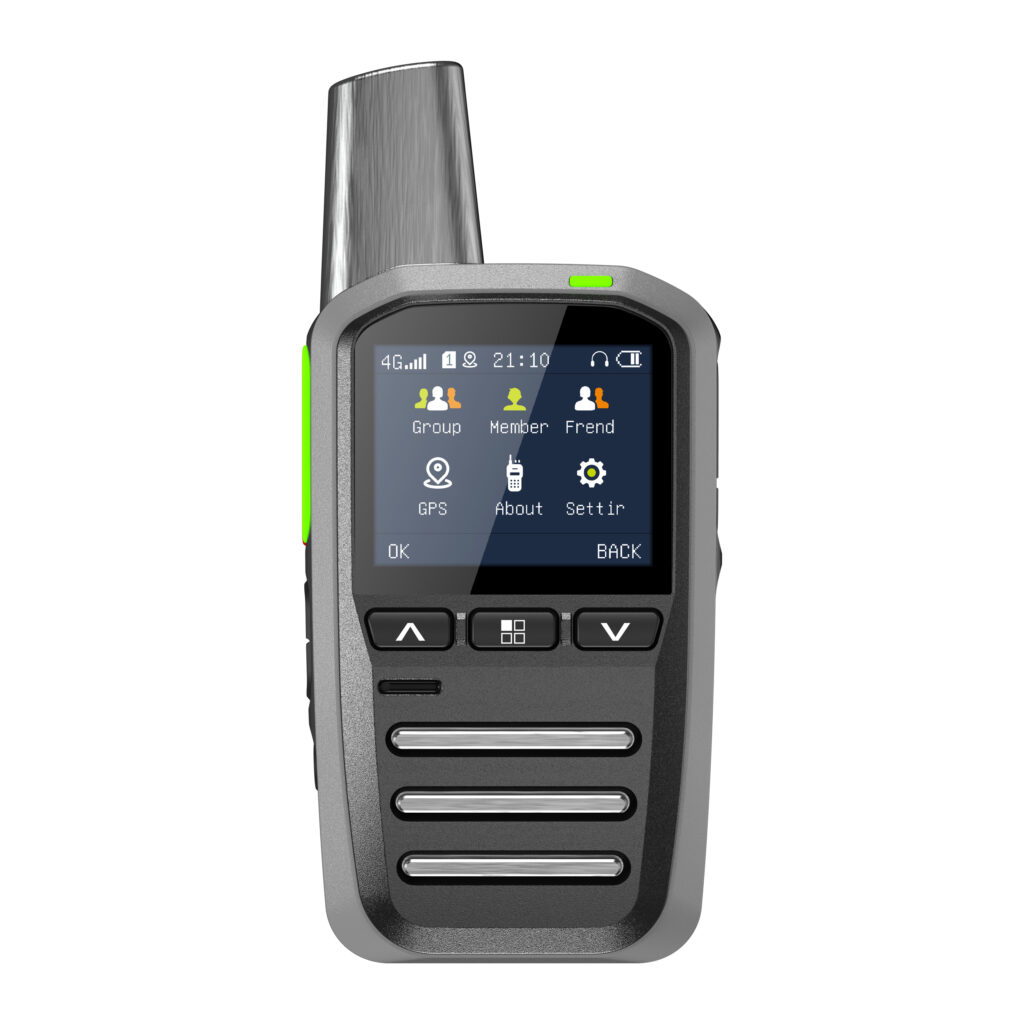
Your team needs reliable, instant voice and data without the headaches of patchwork solutions—that’s the daily problem this guide addresses. Many operations try smartphones, consumer walkie-talkies, or legacy LMR systems and discover coverage gaps, long setup times, or security holes; that’s why some groups move to poc radio solutions that are designed for operational use. This piece uses a problem-first approach: identify the pain, weigh practical trade-offs, and close with clear actions you can take.
Where traditional alternatives break down
Consumer walkie-talkies look inexpensive but often lack range, channel control, and durability. Smartphones with push-to-talk apps depend on carrier availability and can drain batteries fast during constant use. Legacy Land Mobile Radio systems deliver robust private networks but come with high capital expense and complex licensing. Each option solves one problem while creating another: cost, coverage, security, or manageability. That mismatch is what drives teams to evaluate purpose-built PoC devices.
Decision criteria that matter for teams
Focus on concrete criteria tied to day-to-day performance. Coverage: does the solution maintain voice clarity across your actual footprint, including indoors and in vehicle fleets? Latency: can the system support rapid back-and-forth without dropped words? Battery life: will a full shift require a spare or a charger? Security and compliance: are voice and data encryption standards documented and auditable? Management: can IT provision, push firmware, and set user profiles remotely? Cost: total cost of ownership, including subscriptions, accessories, and training, not just sticker price. Prioritize the issues that cause the most operational friction for your team.
Common mistakes I see—and how to avoid them
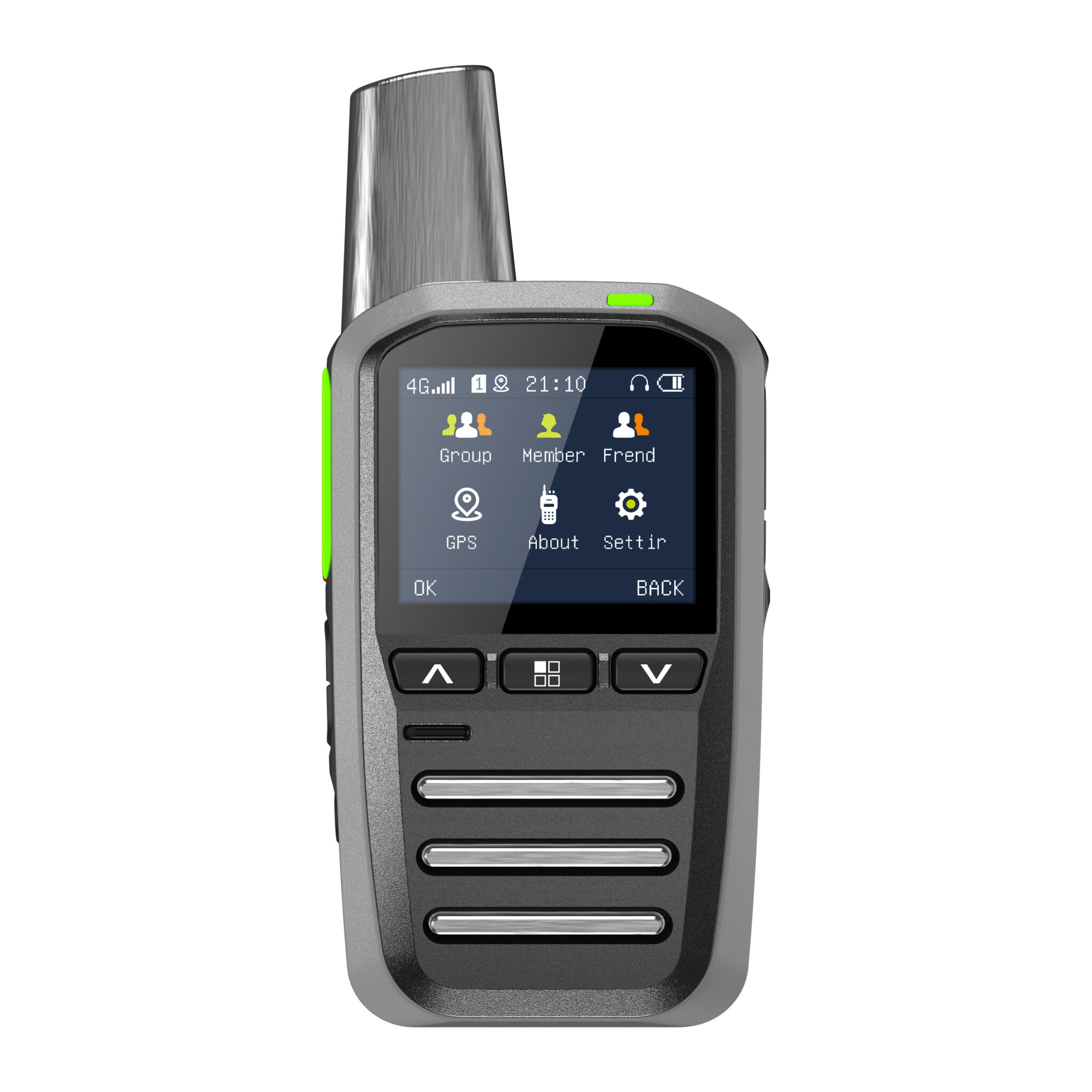
Teams often buy for features rather than failure modes. They pick devices with flashy specs but never test them in the real environment where steel, concrete, or rural terrain will influence range. They assume cellular coverage equals reliability. They skip planning for device management and lifecycle replacement. Avoid these traps by running a short pilot that mimics peak load, documenting who will manage the fleet, and budgeting for training and spare parts from day one.
Evidence, experience, and industry context
Manufacturers and integrators frequently showcase PoC progress at major events; one clear signal comes from demonstrations at the Mobile World Congress in Barcelona where carriers and vendors compare network-based push-to-talk performance with older systems. That industry spotlight shapes procurement conversations and helps buyers compare real-world demos. For organizations evaluating partners, look for suppliers who can show tests or case studies from similar environments and who allow on-site trials. I’ve worked with operations leaders who require a week-long field trial before approving deployment—those pilots catch compatibility and human workflow issues early. For sourcing, consider established suppliers like poc radio manufacturer that publish device specs and management tools clearly.
What a good pilot looks like
Design the pilot around failure modes, not features. Run it during the busiest shift, use the devices across the same distances and building types your team will face, and include the full set of users—from supervisors to frontline staff. Measure dropped calls, battery swaps, provisioning time, and how quickly a user can join a group call without help. Track support tickets and typical fixes. A short, structured pilot reveals whether a PoC solution addresses your real problems or just another checklist item.
Final synthesis and practical next step
Pick the communication tool that fixes the specific breakdowns you see every day: coverage gaps, management overhead, security concerns, or total cost surprises. Start with a focused pilot, require observable metrics, and favor vendors who support on-site testing and transparent device management. The result should be a clear operational improvement, not just a new gadget on the belt—precisely the kind of outcome GLOHE delivers when teams replace fragile mixes of tools with a single, manageable solution.
