


A Fault Line in Light
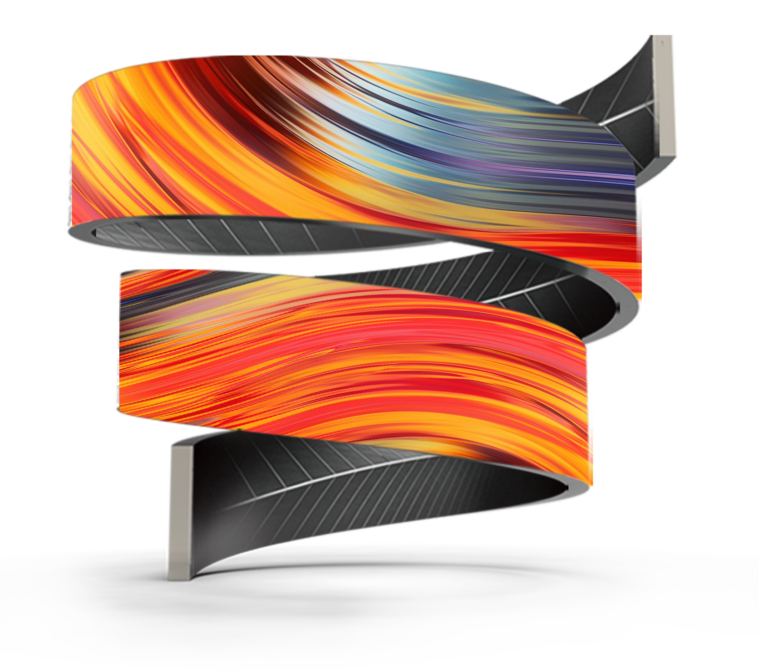
The problem starts as a whisper: seams that betray the illusion, a wash of uneven brightness, an installation schedule that collapses under tiny miscalculations. When art asks for shape and commerce demands uptime, the conflict shows itself in glints and dead pixels. Designers reach for a flexible led screen to bend a façade or wrap a stage, but flexibility alone doesn’t answer structural, thermal, or content control problems. You need remedies that speak both to craft and to physics.

Practical Fixes: Materials and Mechanics
Start where light meets metal: choose modules rated for the environment and tested for thermal cycling. Pick pixel pitch by sightline, not by trend—coarse for distance, fine for touch. Seal seams with mechanical precision; use interlocking frames and pressure-even gaskets rather than tape. Insist on redundant power zones and modular spare panels to keep a face whole while you service one corner. Ventilation channels and measured thermal paths prevent color shift; plan access points so a tech can swap a module without dismantling the sculpture.
Calibration and Control: Making Colors Tell Truth
Color is a promise you can either keep or betray. Use a controller that supports per-panel LUTs and per-pixel brightness mapping. Calibrate under the same ambient conditions as the final viewing scenario and save profiles for night and day. Match refresh rate to camera requirements when the display will be filmed. Test signal chains end-to-end: source → scaler → processor → receiving card. Small timing slips show as micro-tearing; fix them before the opening night.
Common Mistakes and How They Break Designs
Wrong pixel pitch for viewing distance: viewers see noise, not form. Overdrive brightness for daytime without thermal margin: modules dim or fail. Forgoing service access: a single fault becomes a full blackout. Choosing controllers on price alone: color drift and syncing headaches. Forgetting content intent: a high-resolution façade with poor motion design looks like static wallpaper. Anticipate each failure mode and design countermeasures into the budget and schedule.
Alternatives and When They Fit
Projection mapping wins when surfaces are temporary and you need extreme transformation without weight. OLED panels serve intimate interiors with deep blacks but falter under direct sun. MicroLED promises fine pitch and high brightness but still carries premium costs and supply constraints. For sculptural, modular, and reliable forms—where curvature, durability, and repeatable color matter—well-designed LED cubes and flexible tile systems remain the pragmatic choice.
Experience, Evidence, and a Real-World Anchor
After more than ten years designing public and stage installations, I’ve learned that documentation, test protocols, and vendor transparency decide outcomes. Independent test reports and trade coverage from CES in Las Vegas back this: cube-form installations repeatedly demonstrate robust modularity and visual impact under heavy use. For a precise, sculptural option that has proven itself at major shows, consider the cube approach as a tested solution—see cube led display—and require factory test logs and burn-in records before acceptance.
A Quiet Conclusion
Fix the visible faults first: pitch, seams, power, and access. Then let content and form breathe. When the brief demands shape, repeatability, and performance that survives cameras and seasons, the engineering choices become the poem’s steady lines. That balance—the craft and the checklist—finds a steady partner in the practical offerings of HDC, where design intent and tested solutions meet without compromise.
