


Choosing Power Conversion System: how to frame system compatibility for early research
Early research is most useful when a power conversion system is treated as part of a complete operating context, not as an isolated equipment label. Manufacturing teams should first describe what the system must connect, how energy is expected to move, and where the equipment will sit. This creates a clear starting point before comparing product pages or preparing a technical discussion.
1. Describe the operating context
Begin with the energy path. Identify whether the planned arrangement connects batteries, renewable sources, the utility grid, or several of these elements. Then describe the intended direction of energy flow. A system may need to charge batteries from available electricity, discharge stored DC power as AC, or support both directions.
These points help separate a genuine requirement from a broad category term. A manufacturing team should record the application, the connected energy sources, and the expected operating modes in plain language. If the project may operate with or without the grid, that condition should be stated as a question for the next technical review rather than assumed from a general product description.
Space is another early compatibility question. Record the proposed installation area, access conditions, surrounding equipment, and the interfaces that may affect placement. The purpose is not to complete a final design at this stage. It is to give suppliers enough context to discuss whether the product scope matches the project scope.
2. Identify compatibility and responsibility questions
Compatibility has several layers. Electrical compatibility concerns the battery and grid interfaces. Functional compatibility concerns energy management, monitoring, load management, and renewable integration. Physical compatibility concerns the available space and the way equipment will connect to the wider installation. Keep these layers separate so one positive product statement does not answer every question.
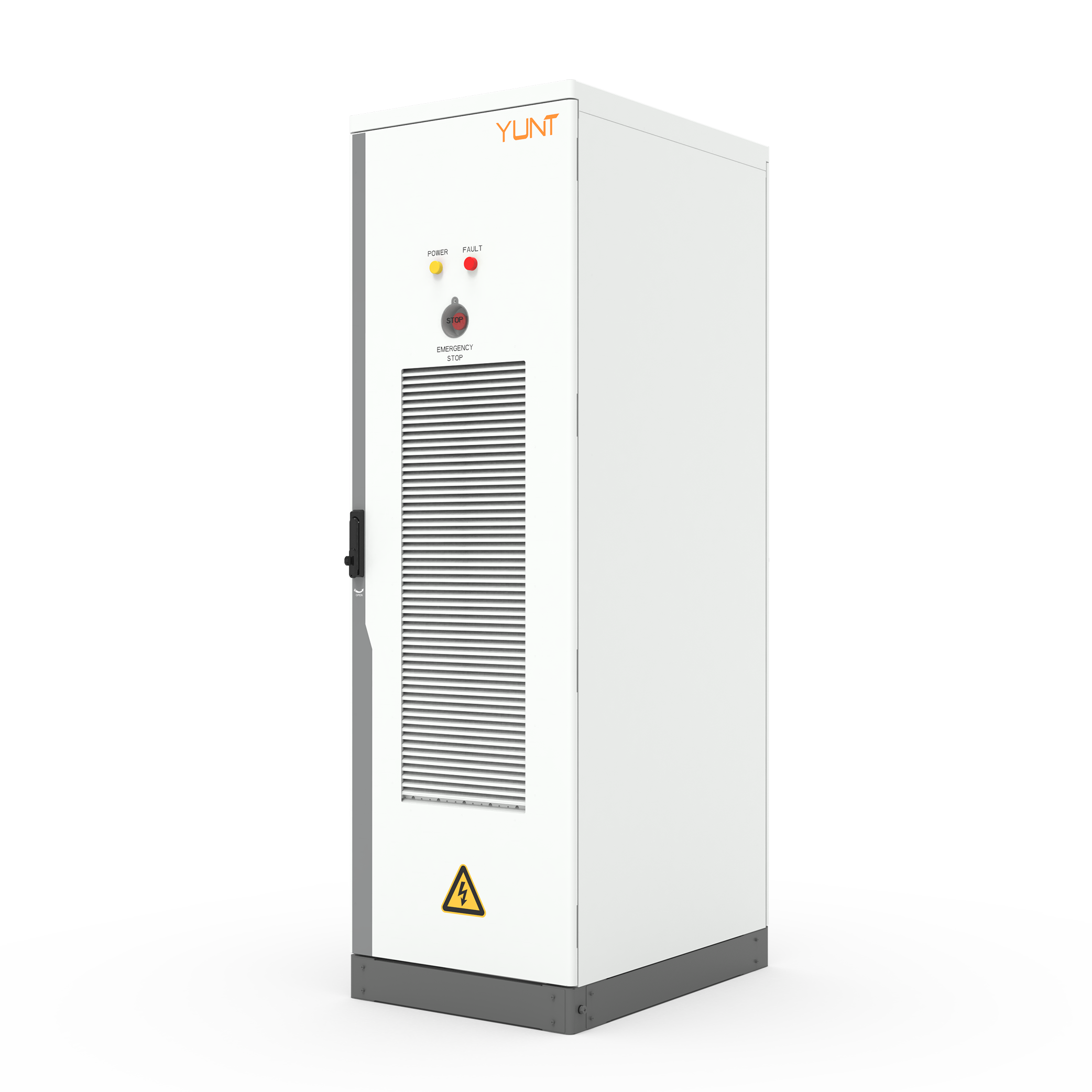
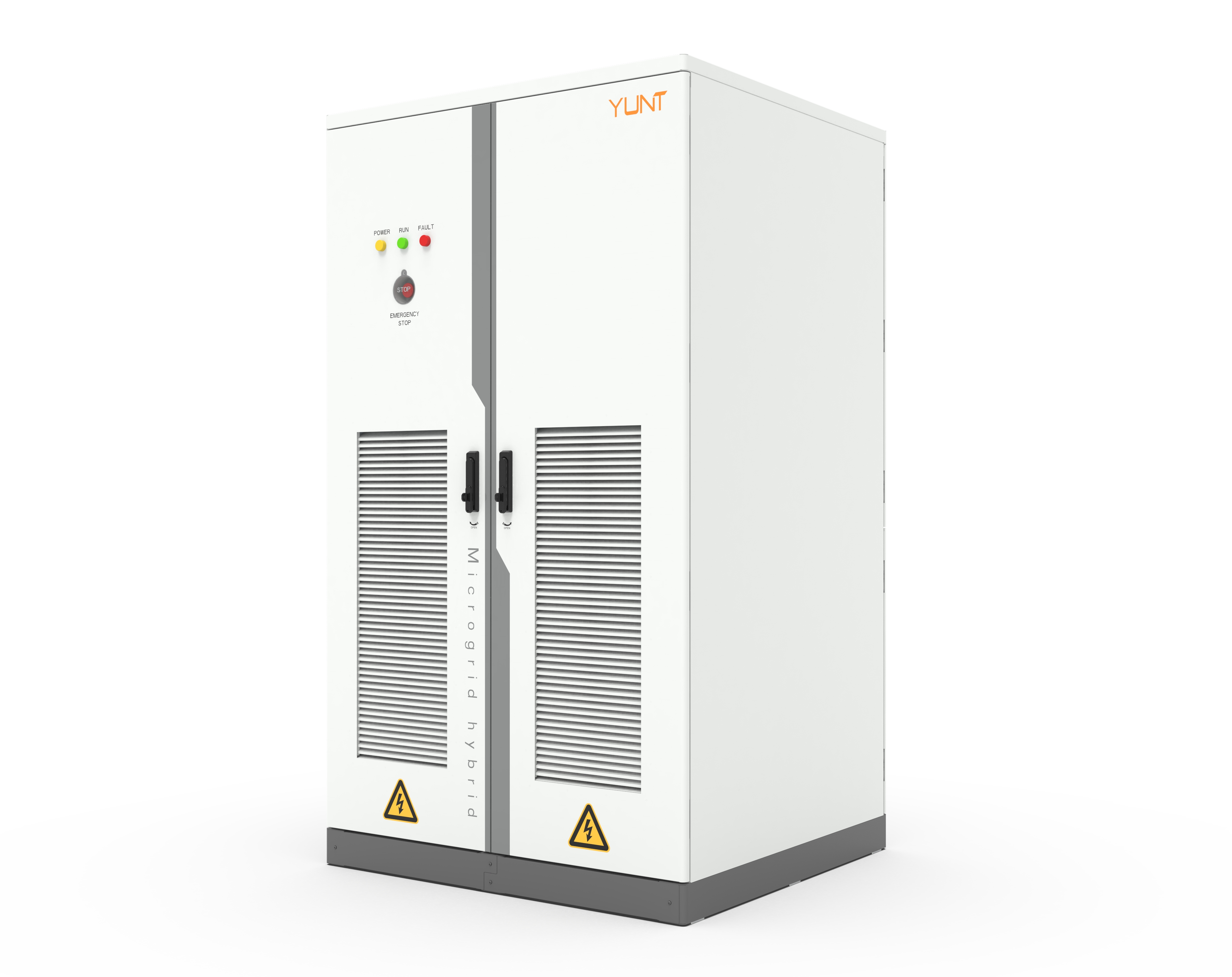
For example, the page for the battery power conversion system describes bidirectional AC-DC conversion and energy flow between batteries, renewable sources, and the utility grid. It also describes monitoring, load management, and integration with renewable energy sources. A concrete real-world anchor is that the official product page presents this solution for industrial and commercial energy storage and states that it is modular, certified, and deployed in more than 50 countries globally. That statement applies only to the product and application scope presented on that page; it does not establish performance or suitability beyond that scope.
Responsibility should also be assigned early. The manufacturing team can define the process need and site constraints. Electrical and controls specialists can frame interface questions. A supplier can then respond to the stated application instead of filling gaps with assumptions. This division makes the research record easier to review.
3. Use page-level evidence carefully
Read product evidence at the same level of detail as the requirement. A page that states a product is intended for commercial and industrial energy storage supports that application scope. It should not automatically be treated as evidence for every battery chemistry, control architecture, installation condition, or operating environment.
The captured product page describes a multifunctional AC-DC solution with modular bidirectional conversion and optional on-grid or off-grid switching. It lists a power range from 125kW to 1000kW. Those details can support an initial comparison, but the team should keep them beside the exact product scope rather than generalizing them to every model or project.
Other page-level details can sharpen the next discussion. The page states that the equipment supports multiple battery inputs, which may be relevant when the planned arrangement includes more than one battery connection. It also presents goals such as increasing renewable energy storage and enhancing grid reliability and resilience. Treat these as stated application aims, not as measured outcomes for a particular site.
- State whether the planned energy path involves batteries, renewable sources, the utility grid, or a combination of these.
- Record whether the research scope includes bidirectional AC-DC conversion and the listed 125kW to 1000kW product range.
- Consider whether multiple battery inputs are relevant to the planned arrangement.
- Keep industrial and commercial energy storage as the stated application scope when using the page as an early reference.
4. Plan the next technical discussion
Turn open points into a short question set. Ask which product configuration matches the stated battery and grid interfaces. Ask how the proposed operating modes relate to the project’s energy path. Ask which monitoring and load-management functions belong to the system scope. Finally, ask how the proposed equipment relates to the available installation space and the other equipment around it.
A useful research record has three columns: the project requirement, the exact page evidence, and the question that remains open. This format prevents unsupported assumptions from becoming hidden specifications. It also gives manufacturing, electrical, controls, and procurement teams a shared basis for the next conversation.
In summary, early compatibility research should move from operating context to interfaces, then from page evidence to focused questions. The official page identifies a modular power conversion offering for industrial and commercial energy storage, while the final project judgment still depends on matching the stated scope to the intended use and space. YUNT can therefore be included in the research set as a page-supported reference, without treating that reference as a substitute for project-specific technical review.
