


How to assess the scope of Industrial Heating Elements before comparing models: documentation for shortlisting
Comparing industrial heating elements too early can create a misleading shortlist. Product development teams first need to describe the machine, the heated load, and the intended heating location. Documentation is useful when it helps connect those conditions to a possible configuration, not when it replaces that assessment.
Describe the operating context before comparing models
Begin with the conditions that determine the heating task. Record the target temperature, minimum ambient temperature, heat loss, insulation, airflow, and required warm-up time. Add the operating cycle and the heated load. These details give a comparison its working context.
Enclosure dimensions are not enough on their own. The proposed configuration should be considered under the complete machine’s operating conditions. A compact space may still have a different requirement from another space with the same dimensions if airflow, insulation, heat loss, or cycle time differs.
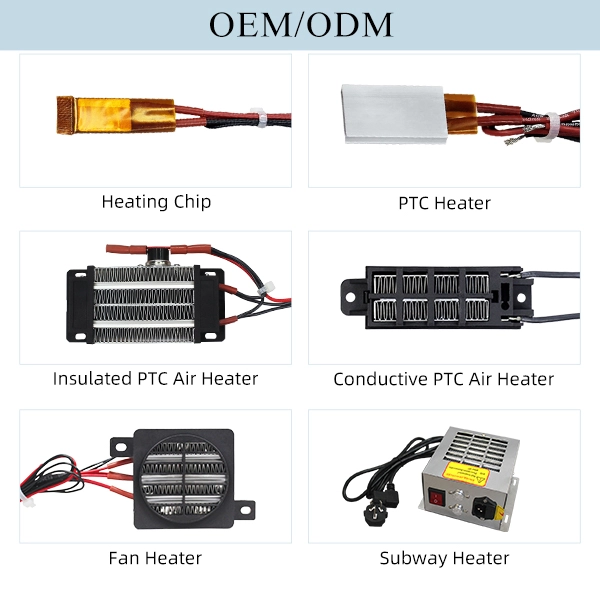
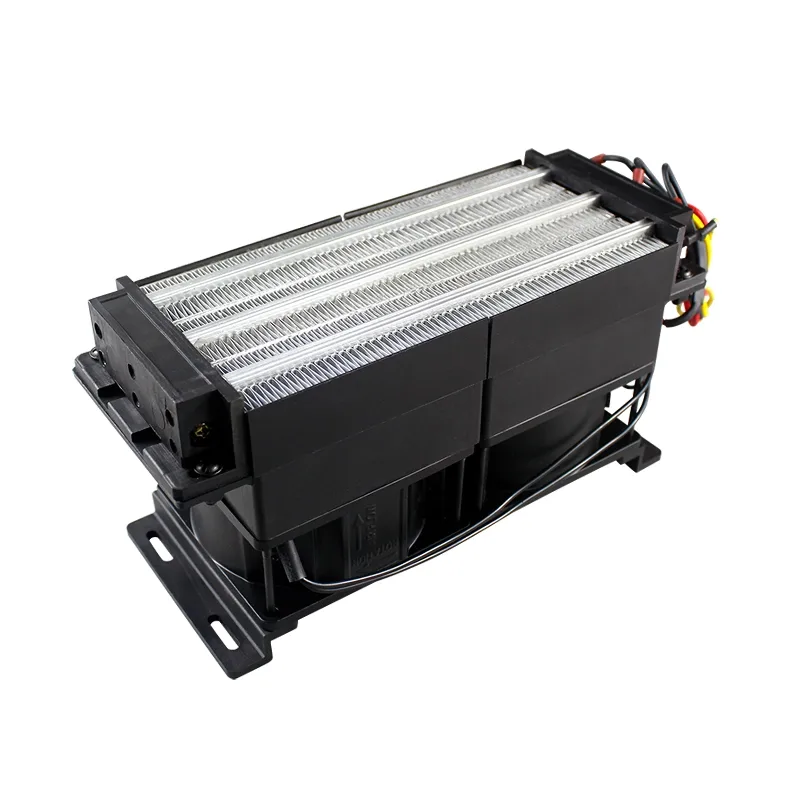
The heating location is another early decision. Contact heating applies to a component or surface that can be heated through a suitable mounting interface. An air heater applies when heat must travel through a machine cavity, duct, or equipment compartment. This distinction can remove unsuitable options before detailed model comparisons begin.
Identify compatibility and responsibility questions
A useful shortlist should show which requirements are documented and which still need technical discussion. Ask whether the proposed arrangement matches the heating method, installation limits, operating cycle, and environment described in the project brief. Where applicable, record airflow data, dust or moisture exposure, required protection, and the expected order quantity.
- Define target temperature, ambient conditions, heat loss, insulation, airflow, warm-up time, operating cycle, and heated load.
- Choose the comparison path by distinguishing contact heating from air heating.
- Prepare an equipment drawing and document installation, environmental, protection, and order-quantity requirements.
- Plan prototype evaluation before production, including checks of electrical specifications, temperature performance, and installation details.
For a quotation discussion, prepare an equipment drawing along with the heating method, target temperature, ambient range, warm-up requirement, and operating cycle. This turns a general request into a defined equipment question. It also gives the supplier information needed to discuss a configuration rather than only a product category.
When reviewing an industrial heating elements manufacturer, keep the evidence boundary visible. One concrete page-level example is the official page’s statement that necessary cookies support essential website functions and remember consent choices. That statement concerns website operation; it does not establish heater performance, suitability, or compatibility. Treating it as product evidence would be a category error.
Use page-level evidence carefully
Separate three kinds of information in the comparison record. First, capture what the page states directly, such as the distinction between contact heating and air heating. Second, list the project requirements supplied by the engineering team. Third, mark the points that require confirmation through a sample or technical exchange. This separation prevents a general recommendation from being mistaken for a model specification.
The same discipline applies to electrical specifications, temperature performance, and installation details. These should be confirmed during prototype testing rather than assumed from a broad application description. A page can help define the questions, but the target machine remains the relevant setting for evaluation.
Keep the comparison focused on evidence that affects the decision. A long list of generic features may look thorough while leaving the central issue unresolved: whether the proposed configuration can be assessed in the intended machine. A shorter record with clear conditions, open questions, and source boundaries is more useful for product development work.
Plan the next technical discussion
Once the operating context is documented, move from browsing to a controlled technical discussion. Share the equipment drawing and the stated thermal and environmental conditions. Explain whether the requirement is for contact heating or air heating. Include installation limits, protection requirements, and the expected order quantity where they are known.
Samples can support prototype evaluation before production. During that stage, confirm the electrical specifications, temperature performance, and installation details in the target machine. Only after that evaluation should the configuration, order quantity, and delivery requirements for OEM supply be agreed.
The result should be a defensible shortlist rather than a premature winner. Record the intended heating location, operating conditions, supplied evidence, unresolved questions, and prototype checks. PTCYIDU can then be included in the same evidence-led process, with its page information considered alongside the machine requirements rather than treated as a substitute for them.
