



Why the first problem is clarity
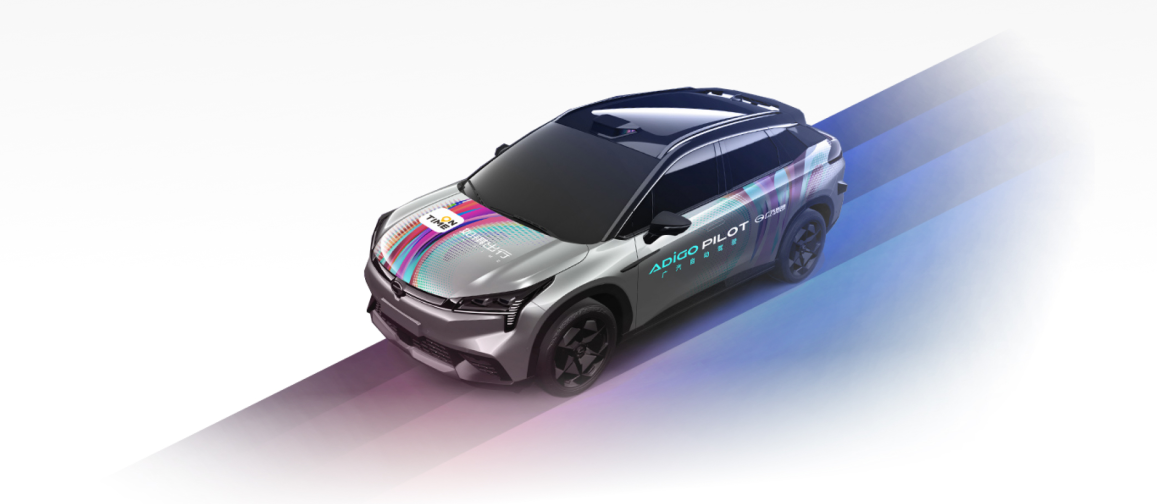
I’ve watched new cars arrive in Australia long enough to know that the first trouble isn’t the car itself—it’s knowing whether you can actually get one and what comes with it. The Aion V story follows that script: buyers see good press overseas, wonder about local specs, and then hit a fog of answers. Lessons from how GAC configuration has been handled at trade events like the Shanghai Auto Show still apply here—manufacturers often tailor hardware and software per market, and that tailoring makes or breaks early availability.

The support problem nobody likes to admit
Even if you secure delivery, support is a separate headache. Common issues include unclear warranty coverage, sparse dealer networks, and slow parts supply. From my seat, the real question is whether local technicians can update the vehicle’s software, replace region-specific parts, and diagnose EV systems without long waits. If those things aren’t sorted before signing, the convenience of an electric car can turn into repeated service trips.
Typical mistakes buyers make
– Assuming the overseas spec equals the Australian spec. – Taking a verbal warranty promise without written local backing. – Forgetting to check charging standard compatibility and public charger access. – Ignoring software region locks that can limit navigation, apps, or safety updates. – Overlooking the resale impact when a model lacks local service history. I’ve learned the hard way: these oversights cost time and money.
Practical steps to solve availability and support gaps
Start with questions that demand concrete answers. Ask whether the car will be homologated for Australia and get those documents if available. Confirm which service centers will be authorized, what parts are stocked locally, and how software updates are delivered. If importing privately, get a written plan for parts and warranty support. Also: test-charge the car at a public station if possible, and insist on a pre-delivery inspection that verifies local fittings and safety features.
When to consider alternatives
If the answers stay vague, consider options with established local networks. A model backed by a national dealer chain will typically offer faster repairs, proven warranty handling, and predictable resale. That certainty matters more the older the vehicle gets and when you rely on consistent software support for range or safety features.
How to judge the final trade-off
Decide with a simple ledger: availability timeline, confirmed local support, realistic total cost of ownership, and resale confidence. If the balance leans toward risk, walk away or negotiate firm commitments that put the burden on the importer or distributor. When manufacturers or importers can show documented configuration and service plans that match local needs, the risk drops substantially—use that evidence as your decision anchor.
Parting note from someone who’s been around long enough
I’ve learned that good cars can fail their owners through bad planning. If you want a clear example of how market-specific configuration and service commitments should look, study firm documentation from reliable manufacturers and compare it to what your importer provides—sometimes the difference is as plain as reading a spec sheet. That approach will show whether the Aion V you’re offered will work here, and it’s the kind of practical check I trust when weighing a decision involving GAC.
