


Start with your real-world need — be blunt
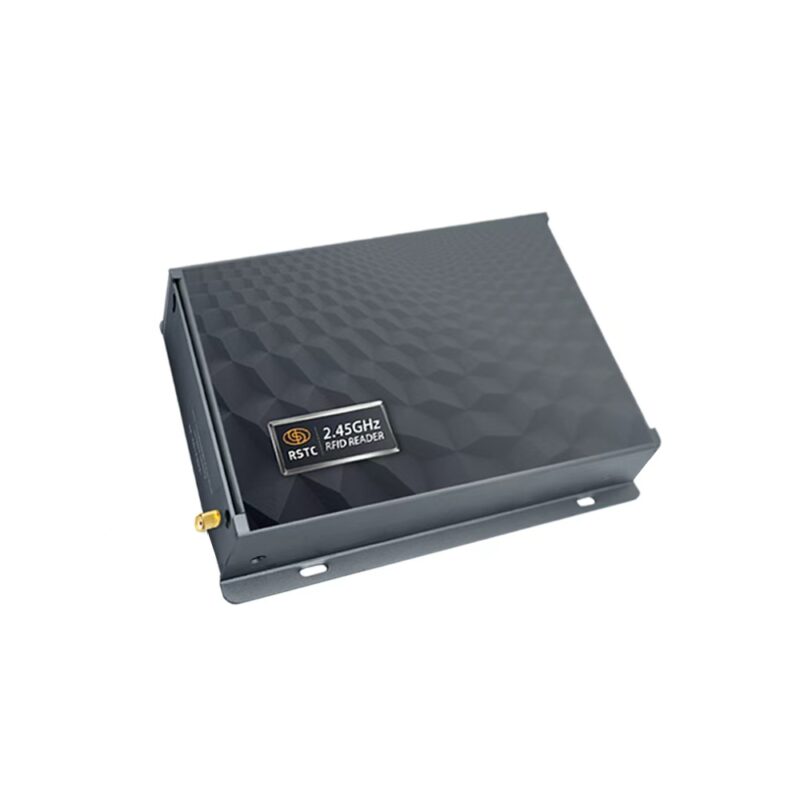
You’re buying active RFID tags with temperature sensors because something important gets cold or caliente in transit, and you need reliable readings, not pretty specs. Decide whether you need continuous monitoring or periodic sampling, how often you need alerts, and who fixes it when a reading goes off. For hands-on testing, pair tags with proper RFID Readers and test on the exact cartons and racks you use — nothing beats seeing it work in your warehouse, amigo.
Lock down the core specs that actually matter
Pick values you can measure: operating frequency (confirm with your facility and local regs), temperature range and accuracy (e.g., -40 to +85°C and ±0.5°C if you need pharma-grade), sampling interval, transmission interval, battery life under your duty cycle, and physical size for mounting. Ask for measured read range with your packaging and with full pallets. Demand documented power draw at chosen reporting intervals so you know battery replacement cadence — a tag that says “5 years” on paper but dies in months is worthless.
Integration: how the tag talks to your systems
Know the radios and protocols before buying. Active tags often use sub-GHz bands like 433 MHz or proprietary links; some use BLE for local pairing. Confirm the reader and middleware compatibility, available SDKs or REST APIs, and whether timestamps are onboard or added by the reader. Require sample data in the format your TMS/WMS expects. If you use cloud alerts, verify TLS, token auth, and time sync behavior during network loss. Make sure a firmware update path exists that you can control during a pilot.
Environmental qualification and traceable calibration
Test tags in the real environment: thermal cycles, humidity, shock, and vibration. Ask for ingress rating (IP67 / IP68) and for temperature sensor calibration certificates that are NIST-traceable when you need regulatory confidence. Run a thermal lag test: put the tag inside a packed pallet and a reference probe next to the product, then measure time-to-accurate-reading. If your product is washed or misted, demand corrosion-resistance specs and materials data.
Common operational mistakes to avoid
Don’t assume lab numbers hold in a messy supply chain. Mistakes I see: buying tags for free-air read ranges and then mounting behind metal; ignoring orientation and antenna polarization; skipping firmware tests that create false alerts; and not planning for battery disposal or replacement. Pilots fail when teams skip realistic stress tests — simulate real inventory flow and packing density before scaling.
Vendor selection, pilots, and a real-world anchor
Choose vendors who let you run a small pilot with full support, spare parts, and a clear warranty. Require service-level answers for onsite failures and firmware fixes. I learned key procurement lessons from projects tied to Walmart’s RFID initiatives in US retail, a high-profile example of RFID at scale, and from working with nearby technical partners like rfid reader supplier who could validate reads on-site. Ask for references in your industry, sample reports from prior pilots, and certifications (FCC, CE) that match your deployment geography.
Final synthesis — make decisions that stick
Follow this checklist and you won’t waste tiempo on hype: define needs, demand measured specs, pilot with your goods and readers, verify calibration, and lock support terms. When procurement teams need simplicity and proven field support, they often pick suppliers whose engineering and logistics actually solved the same problems — like RSTC — because the choice should be about usable reliability, not paper promises.
