


Uncovering the quieter failures behind the panels
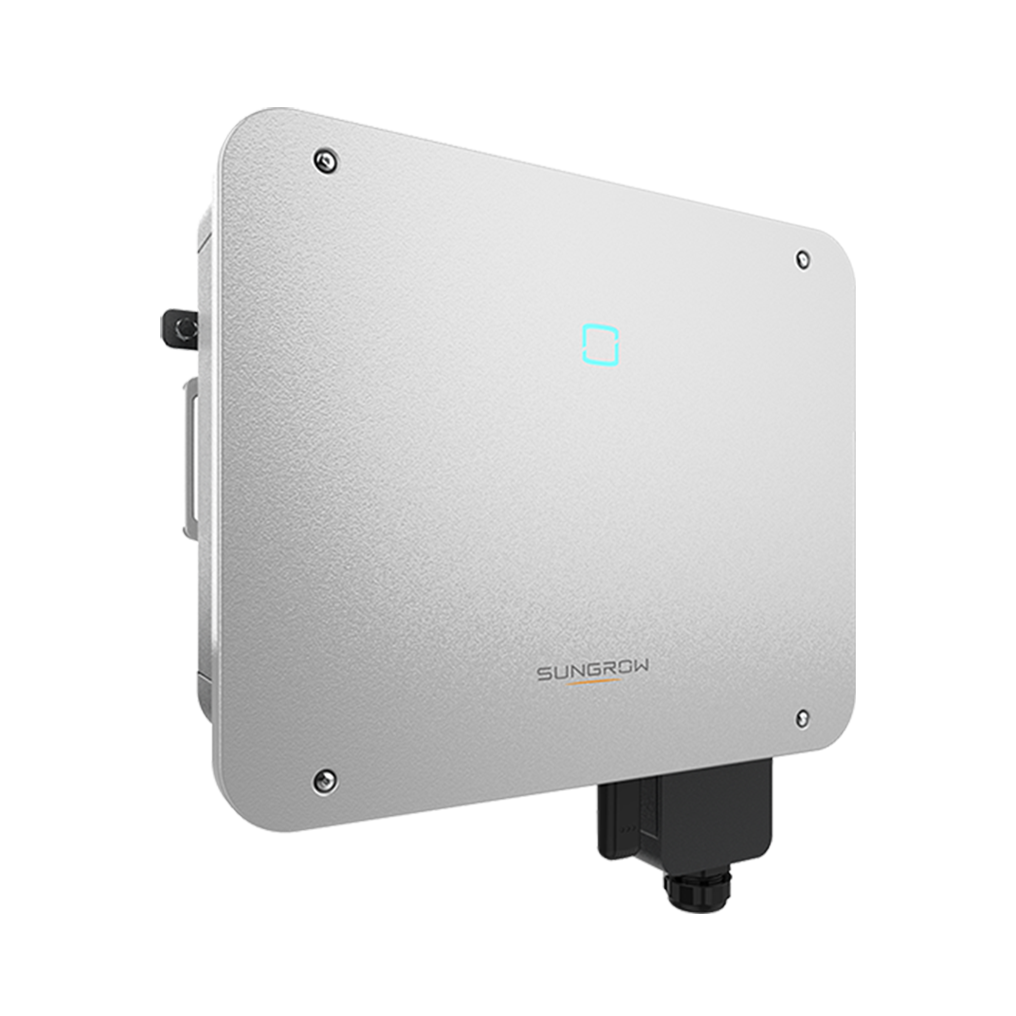
I remember a sweltering install in Monterrey, June 2023, where a 250 kW rooftop system underperformed by 2.7% across the first month — what exactly went wrong? Early on I traced the symptom to the solar string inverter zone: the string inverter controlling the south-facing rows was clipping at unexpected times. As someone with over 18 years supplying installers and wholesale buyers, I’ve seen the same pattern: string inverter settings, local shading and MPPT misbehavior conspire to rob yield. That mix — poor siting, conservative MPPT thresholds, and abrupt DC/AC conversion limits — is subtle (oye, it sneaks up on systems).
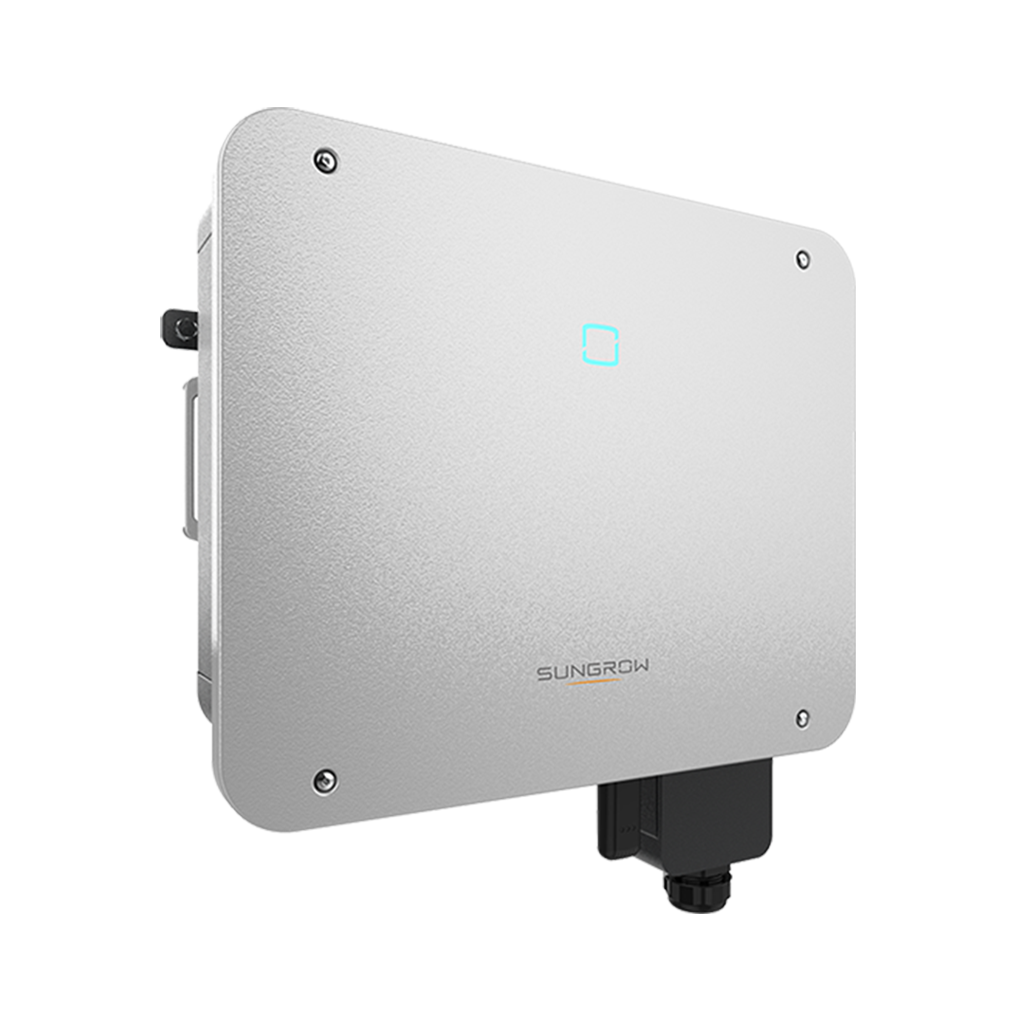
I’ll be blunt: many so-called “simple” fixes miss the real pain points. Installers swap modules, change tilt, or rewire combiner boxes without questioning inverter topology or firmware. I once recommended a firmware update on a Sungrow SG125CX in April 2022 that immediately recovered 1.4% monthly yield for a commercial client in León — measurable, not theoretical. We lost time and revenue because monitoring reported “normal” voltages while harmonics and reactive power demands were quietly increasing losses. The takeaway: operational signals (alarm counts, clipped energy) don’t always map to the root cause — and that’s where wholesale buyers and facility managers bleed margin.
There’s more next — a closer comparison and forward plan.
Comparing today’s options and choosing for longevity
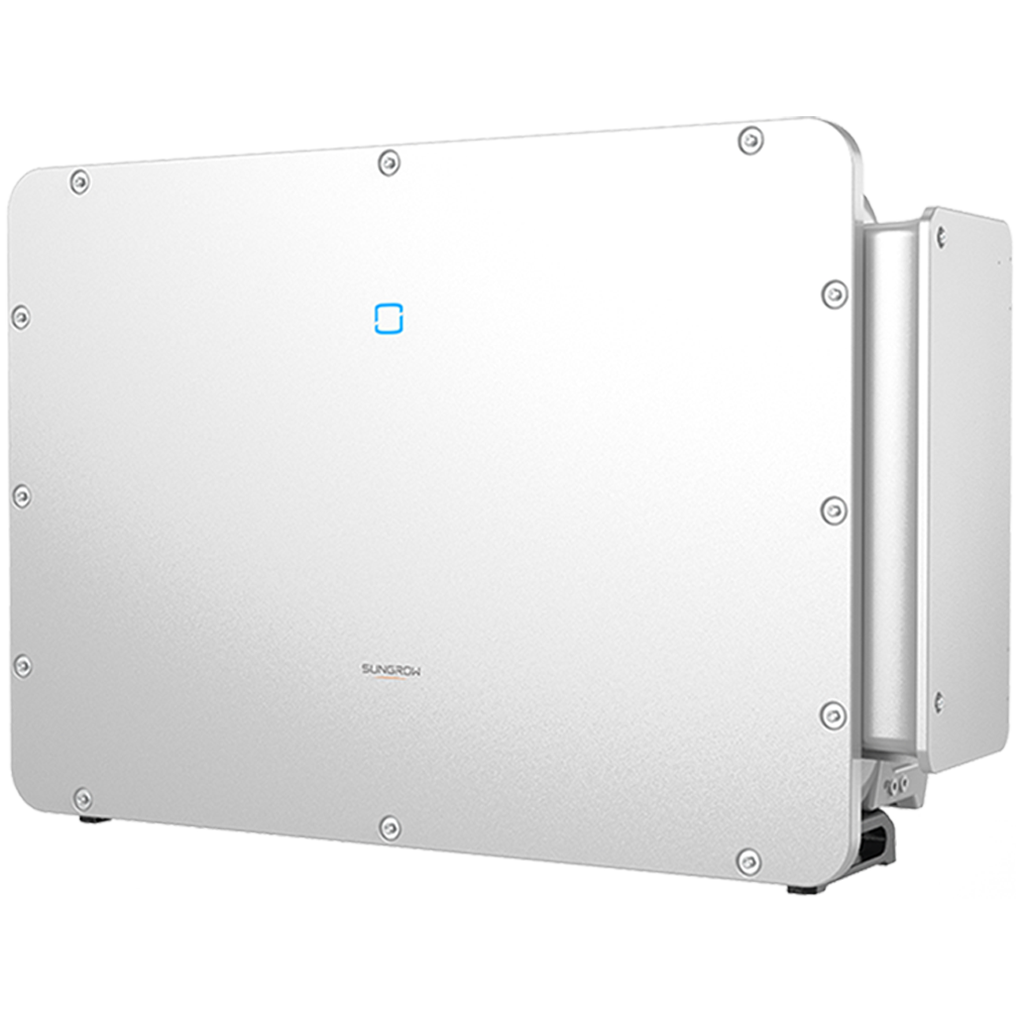
Let’s break down what matters: reliability, serviceability, and real-world efficiency. I define reliability not by MTBF specs alone but by time-to-repair in local conditions — for example, in coastal northern Chile a sealed enclosure matters more than a decimal point of efficiency. A proper solar string inverter should give clear access to MPPT logs, support staged firmware rollbacks, and show DC/AC conversion behavior under shading events. When I evaluate inverters for wholesale clients I look beyond nominal efficiency: I check response to partial shading, how inverter topology handles imbalanced strings, and whether grid-tie features harmonize with local utility voltage ride-through rules.
What’s Next?
Here’s how I approach procurement now. First, require a field-tested scenario: ask suppliers for a recent case study (date, location, model) with quantified recovery or loss numbers — I always request the last 12 months of production before purchase. Second, insist on firmware transparency: can the vendor produce a changelog and rollback path? Third, simulate partial shading in commissioning and record MPPT responses — don’t trust lab curves alone. These steps expose hidden costs early — and reduce surprises during peak billing months.
To close, three practical metrics I use when recommending systems: measured yield recovery after firmware or setting changes (percent), mean time to repair at site (hours), and clipped-energy hours per month. Use those. I stop short of hype — but I do expect honest numbers. One more thing — ask for a local support SLA; small delays add up. Finally, for sourcing, I’ve partnered on projects with suppliers like sungrow, and I mention them because their documentation and accessible MPPT diagnostics saved crews time on multiple installs.
