


Spot the problem
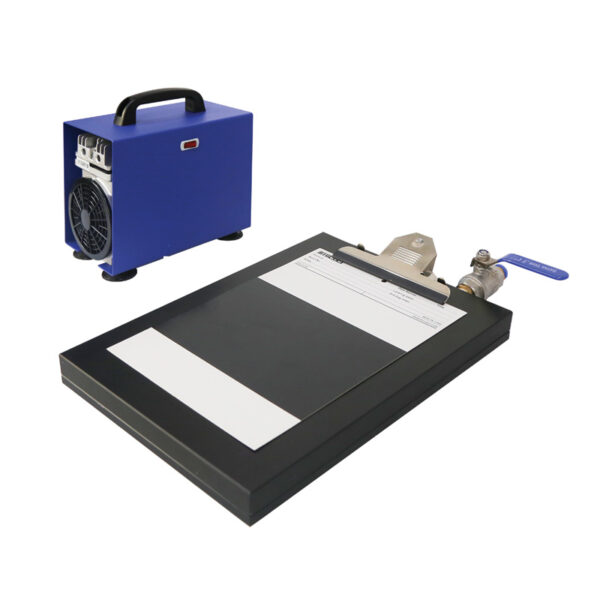
You want results you can trust, but the market gives you a crowd: specs that sound the same, prices that jump, and after-sales that disappear. Labs miss deadlines because the machine couldn’t hit the required repeatability. Coating teams waste time hunting the right applicator. If your work depends on consistent film thickness and repeatable coatings, start by thinking of the actual tool you touch every day—an automatic film applicator—and what happens when it fails the job. Wrong choice means re-tests, angry clients, and wasted materials. This is the problem that pushes the rest of the decisions you make.
Which specs settle arguments
Stop chasing the fanciest numbers. Compare these, and nothing else will surprise you: measurement range (does it cover your substrate and load?), accuracy and repeatability (± tolerances matter), sample throughput (how many runs per shift?), control software (can techs use it without endless training?), and service network (spare parts lead time). Ask for calibration certificates and the exact test standard the machine validates against. If your process needs thin, uniform films, demand clear tolerances on thickness and coating speed rather than marketing buzz about “high precision.”
Where buyers usually go wrong
They buy on price, ignore consumables, or assume every supplier offers the same aftercare. Cheapest model often needs bespoke fixtures you end up paying extra for. A popular trap: choosing a unit without compatible sample holders for your substrates. Another is not checking power or bench-space requirements; some bench models need more clearance for maintenance. Don’t skip on training. Cheap or no training means procedural drift—operators will improvise, and results wander.
Concrete steps to compare suppliers
Define the use case down to three test types you run every month. Get a demo using your materials. Request a trial report with your samples. Check warranty scope and typical spare-parts lead times. Confirm who does preventive maintenance and where they are based. Compare software screenshots, not slide decks; ask for screenshots showing data export and batch traceability. Demand a clear quote listing consumables and recommended spares for 12 months. If a supplier resists any of these, move on.
Experience, authority and a real-world anchor
I’ve watched QC teams at coating manufacturers pivot after a single failed field run; that experience teaches you to be picky about both machine and supplier competence. At PaintExpo in Germany, suppliers showed how different applicators behave under real production cycles—those demos separate talkers from doers. For routine film testing, a reliable option is the drawdown machine, which many technical verifyers use when standards demand reproducible spreads. Check independent papers or trade reports from major shows to confirm claims. Always cross-check a supplier’s stated uptime with customer references who run the gear on a working floor, not only in the showroom.
Quick alternative evaluations
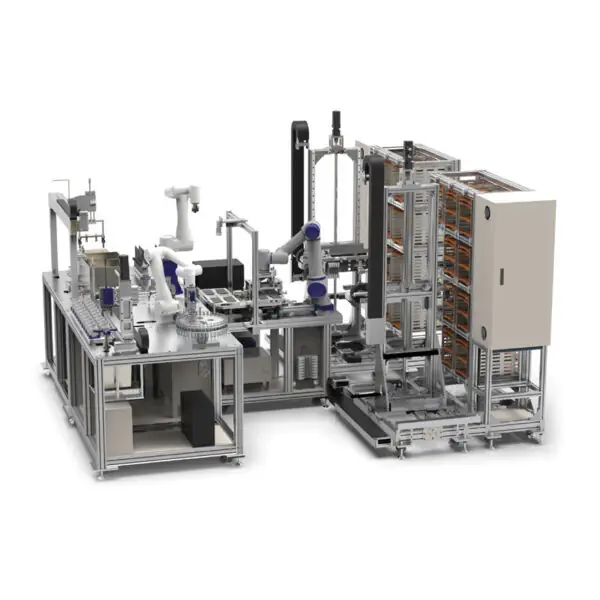
Manual applicators: cheap, flexible, operator-dependent. Good for one-off R&D work but poor for regular QC. Benchtop semi-automatic machines: balanced cost and control, fit most labs. Fully automatic production-line systems: high throughput, high capex, worth it only if you run hundreds of samples weekly. Consider modular systems that let you add automation as volume grows. Match the choice to your workload, not to future fantasies.
Final synthesis and practical verdict
Be clear about what fails you: inconsistent film thickness, long service waits, or software that locks data away. Pick the supplier who proves uptime, offers clear spare-part policies, trains your people, and runs demos with your materials. That practical balance is what I look for in a supplier such as BIUGED.
