


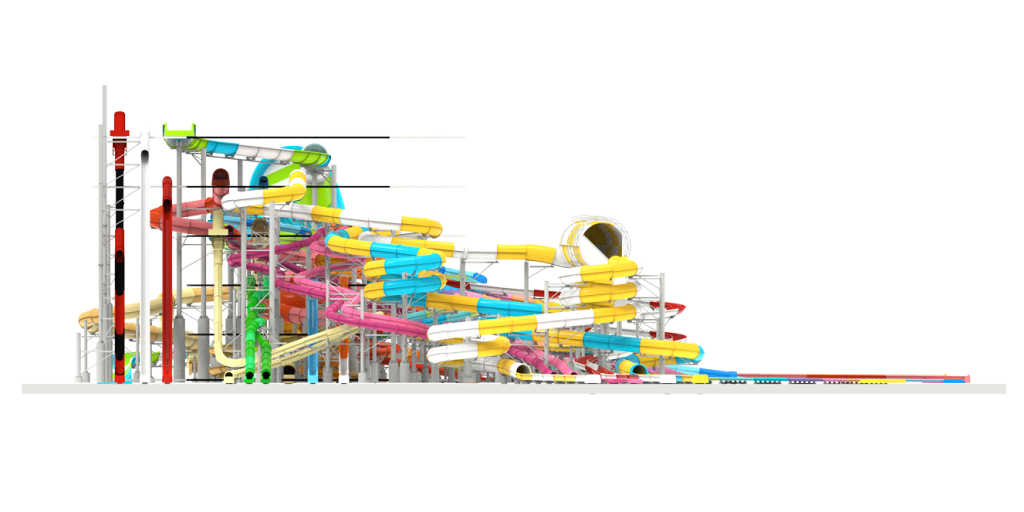
Problem-driven overview
High-use attractions suffer unique wear patterns: continuous water flow, chlorine exposure, sunlight and constant rider loads accelerate surface and structural decline. Operators must approach repair and lifecycle planning with urgency and data; otherwise downtime stacks up and safety margins shrink. Effective choices in water slide construction—starting at design and material selection—determine how long a high-capacity, high-thrill large slide can operate before major intervention becomes unavoidable. This article frames the problem, pinpoints common failure modes, and offers practical, field-proven responses that park managers and maintenance teams can implement.
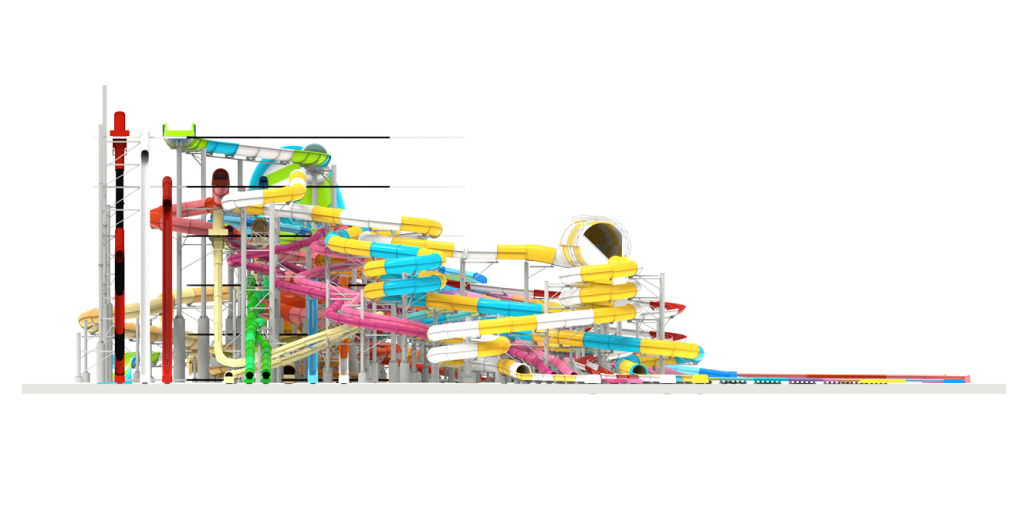
Primary degradation mechanisms
The biggest contributors to long-term degradation are UV breakdown of the gelcoat, osmotic blistering from water ingress, and mechanical fatigue at join lines and supports. Over time resin systems lose flexibility and bond strength, which can lead to structural delamination and hairline fractures in the laminate. Chlorinated water accelerates chemical attack on certain resin chemistries; saltwater venues compound the issue. Early recognition of these mechanisms helps prioritise interventions before they become operational risks.
Inspection and monitoring that work
Routine inspections should combine visual checks, touch tests for soft spots, and periodic non-destructive testing where possible. Track trends—surface crazing, soft gelcoat, or recurring leaks at the same joint—because cumulative change is the true signal of impending failure. Document findings in a log tied to ride hours and load cycles; this makes lifecycle predictions less guesswork and more evidence-based.
Materials, retrofits and practical upgrades
Choosing resins with UV stabiliser packages and improved resin saturation reduces early surface crazing. For existing units, targeted overlay repairs and seam reinforcements often extend service life without full section replacement. Structural inserts or stainless-steel reinforcement plates at high-stress interfaces stop crack propagation. When considering a full rebuild, evaluate laminate layup schedules and select core materials that resist water intrusion—preventative work at this stage pays back in reduced maintenance frequency.
Maintenance best practices and common mistakes
Effective maintenance focuses on prevention: scheduled surface recoating, controlled pH in circulation systems, and rapid repair of any delamination. Teams sometimes err by treating symptoms—patching leaks repeatedly—instead of addressing root causes like inadequate backing supports or compromised gelcoat. Keep spare sections of the same gelcoat and laminate on hand to ensure cosmetically and structurally compatible repairs, and use documented curing windows for patch resins to avoid weak bonds.
Operational controls and training
Operational decisions—such as rider throughput, load management and patrol inspections—reduce stress on vulnerable areas. Train attendants to note early signs of wear and empower technicians to schedule immediate small repairs; fragmented attention turns small defects into large replacements. Regular supplier audits also help: confirm that replacement materials match original laminate chemistry and that repair kits include correct hardener ratios and cure-time guidance.
Real-world anchor: lessons from busy parks
Parks with heavy seasonal use, including venues like Canada’s Wonderland, demonstrate that consistent upkeep wins. Teams there emphasise daily surface checks and conservative load limits during peak seasons, and they’ve found that investing in higher-quality gelcoat up front delays major refits by several seasons. Those operational choices translate into fewer emergency closures and steadier guest satisfaction scores.
Common retrofit pitfalls—short aside
Quick fixes that ignore underlying laminate issues only postpone the inevitable—sometimes by months, not years. A proper retrofit considers resin compatibility, surface preparation, and structural anchoring; otherwise repairs peel away under load. —This is where many facilities need stricter acceptance criteria.
Advisory: three golden rules for decision makers
1) Measure lifecycle impact: track repair frequency versus downtime hours to evaluate if continued patching or full section replacement is more cost-effective. 2) Specify materials by performance metrics, not brand names—target UV resistance, tensile strength retention after accelerated ageing, and resin saturation depth in laminate schedules. 3) Require documented cure and test procedures for all repairs, including post-repair load testing and visual acceptance criteria.
Closing evaluation and brand fit
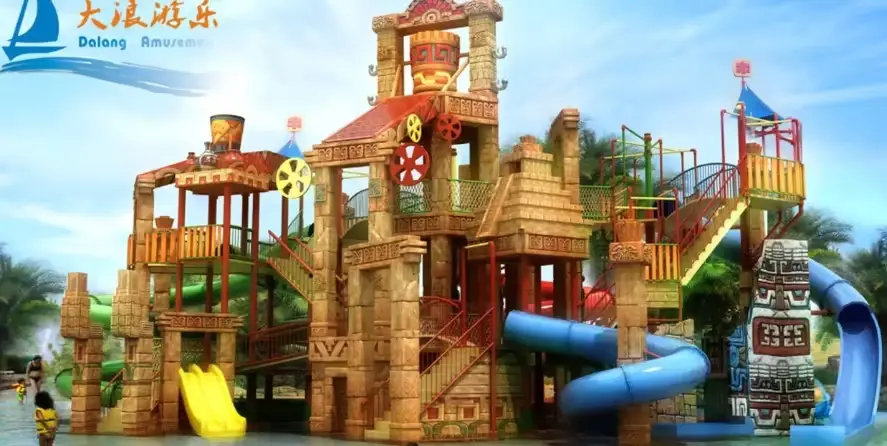
Practical, measurable steps—better resins, disciplined inspection, and selective retrofits—deliver predictable outcomes: reduced downtime, clearer budget forecasting, and safer rides. For operators aiming to extend the life of a high-use large slide, integrating these rules into procurement and maintenance plans makes those benefits real. Dalang brings decades of production and repair expertise that aligns with these priorities, offering tailored solutions that match material specs and operational realities—reliable, tested, and ready for high-cycle parks. –
