


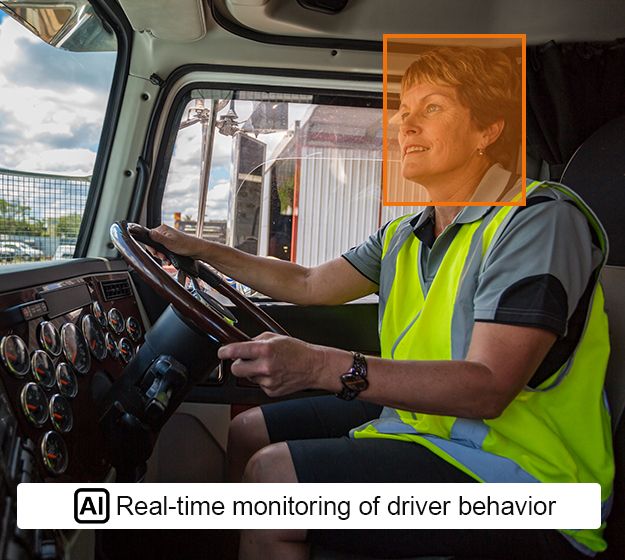
When the problem starts, you need a simple answer
Fleets don’t want buzzwords; they want fewer disputes, clearer incident footage, and a system that doesn’t sulk every time a wire gets tugged. For operators handling crowded routes — think New York City bus operations — the common headaches are blind spots, disputed claims, and cameras that drop frames when the bus hits a pothole. That’s where practical, no-nonsense bus fleet management blends with hardware that actually works: a 4-channel mobile DVR that keeps four cameras recording clean, timestamped evidence without eating maintenance hours.

What a 4-channel DVR actually delivers
Count on these concrete features when you pick a competent unit. They matter more than marketing gloss.
– Four simultaneous video inputs: front, rear, driver-facing, curb/side view. No juggling channels. – Robust file handling: circular (loop) recording with pre-event and post-event buffers for every camera. – H.264/H.265 compression: lower storage without trashing image quality. – GPS and G-sensor tagging: footage tied to speed, location, and impact events. – Ruggedized power and ignition sensing: prevents file corruption when the vehicle shuts down. – Secure timestamps and basic tamper flags: makes footage admissible and trustworthy.
When you start integrating this into a broader platform, the device pairs cleanly with a bus management system for route analytics and archival policies.
How those features solve the real problems
Reasoned match-ups, not gimmicks. Problems first, then what to expect.
– Disputed incidents: Synchronized four-channel clips show the full context—who moved, how fast, and where—thanks to GPS stamps. – Driver safety coaching: Driver-facing plus forward camera gives objective behavior evidence for coaching sessions. – Evidence retention limits: Loop recording with event-lock prevents overwriting critical clips after a claim. – Harsh electrical environments: Rugged ignition-sensing and buffered writes reduce corrupt files when buses power off. – Limited bandwidth: Local storage with targeted upload of flagged clips keeps cellular costs sane.
Installation and integration pitfalls to avoid
These are the mistakes I keep pulling fleets back from—simple, costly if ignored.
– Wrong camera placement: Don’t assume one camera covers two lanes. Map blind spots before drilling. – Cheap power supplies: Use filtered, vehicle-grade power modules. Corrupted recording is invisible until you need it. – Over-compression without testing: High compression saves space but destroys license-plate legibility at distance. Test at expected speeds. – No event-lock policy: If operators can’t lock footage remotely after an incident, evidence vanishes fast. – Single-point backups: Local SD only is risky. Combine local retention with periodic offload or selective upload.

Alternatives and trade-offs
Choices are practical, not ideological. Pick what fits operations and budget.
– 4-channel DVR vs 8-channel DVR: More channels give flexibility, but add cost and installation complexity. For many buses, four well-placed cameras give complete coverage. – Onboard-only vs cloud-first: Onboard-first keeps costs down and stores full-resolution footage; cloud-first helps centralized analytics but needs reliable uplink. – Telematics bundle vs standalone DVR: Bundles simplify integration. Standalone systems can be upgraded independently but need careful syncing with vehicle telemetry.
Quick setup checklist for reliable monitoring
Use this as a minimal spec for procurement and installation.
– Map four critical camera angles before buying. – Specify H.265, pre/post-event buffers, and event-lock capability. – Require GPS and G-sensor metadata on every file. – Insist on vehicle-grade power modules and surge protection. – Define retention policies: local retention days + selective offload rules. – Validate image quality at highway speeds and low light.
Wrap-up that actually helps operators
Stop tolerating partial views and flaky recordings. A properly configured 4-channel mobile DVR solves the common pain points—clarity for incidents, usable metadata for analysis, and storage behavior that matches operational needs. For teams that need a practical, integrated solution that plays nicely with route tools and fleet dashboards, the approach I sketch here folds into broader operations without drama, just like how BSJ positions hardware to work with everyday bus practices.
