


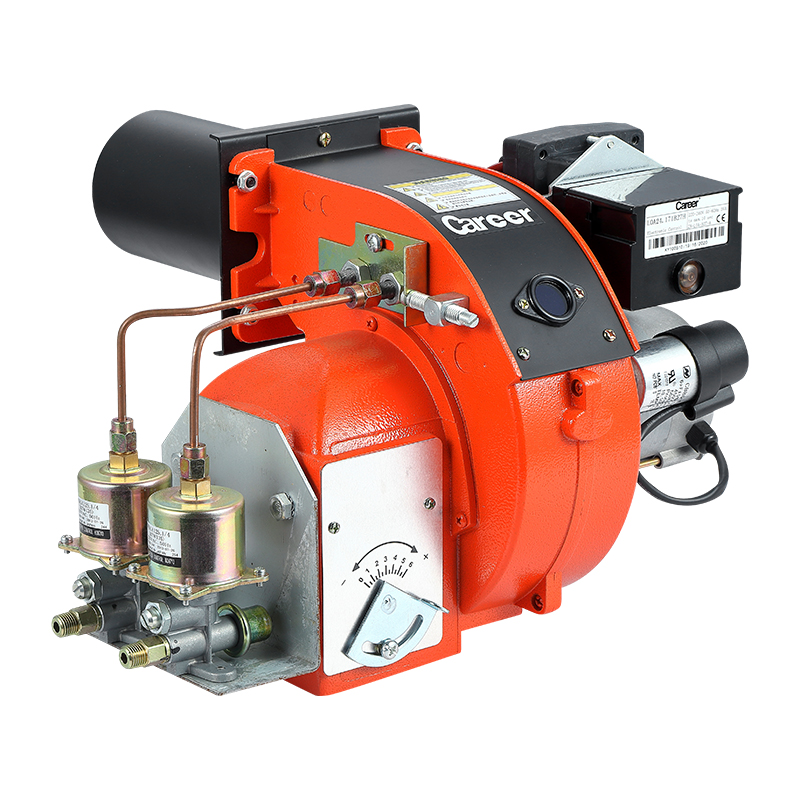
Problem statement
Choosing a supplier for immersion tube burners is often treated as a commodity decision, yet regional variables—fuel specs, ambient conditions, local permitting, and logistics—turn that choice into a strategic risk. A well-specified methanol burner is the start; the real question is whether the supplier can deliver consistent performance and service where you operate.

Where the problem begins
Suppliers present optimistic performance data that rarely reflects local realities: feedstock variability, water salinity, altitude, or local emission limits change flame stability and corrosion rates. Procurement teams often miss these mismatches until commissioning, which creates schedule slips, safety incidents, and cost overruns. Address this problem before you sign contracts.
Essential supplier evaluation criteria
Assess suppliers against concrete technical and operational requirements: compliance with your jurisdiction’s emission and safety standards; proof of materials compatible with local water and fuel chemistries; documented field tests under conditions like yours; spare-parts availability within your logistics window; training and commissioning support offered locally; warranty terms that cover real operating hours and cycles. Request data: lab test reports, third-party inspections, and demonstrable service response times in your country.
Technical due diligence—what to verify
Ask for thermodynamic test results and combustion tuning data for the specific immersion tube geometry you plan to use. Verify control compatibility: confirm the burner’s control logic integrates with your plant DCS and permits local language documentation. Inspect corrosion mitigation strategies: specify metallurgies and coatings, and require accelerated-life testing that reflects local temperatures and contaminants. Require a pre-shipment inspection and an on-site acceptance test protocol tied to performance milestones.
Viable alternatives and how to weigh them
Choosing between a local vendor, a regional distributor, or a direct OEM purchase depends on trade-offs: local vendors often offer faster field service and regulatory familiarity; OEMs bring deeper design expertise and longer-term spare parts availability. Consider a hybrid approach: procure core components from a reputable OEM and secure local service agreements to shorten lead times and reduce downtime risk.
Common procurement mistakes to avoid
Do not accept generic warranty language; demand performance guarantees with clear metrics. Avoid single-source dependency without contingency spares in-country. Don’t skip manufacturer-led commissioning and operator training. Reject suppliers who cannot show a documented parts distribution plan for your geographic region. Finally, don’t assume export certifications equal local compliance—confirm alignment with national codes and permitting processes.

Real-world anchor and practical evidence
Field lessons from major European bunkering and testing hubs, including trials observed around Rotterdam, highlight that flame stability and emissions performance vary significantly across sites; industry panels at events such as Gastech reinforce that local testing is decisive for scale-up. Those practical observations inform expectations for a methanol combustion system and should frame contractual acceptance tests and inspection criteria for any supplier.
Final synthesis
Address the root problem by matching supplier capability to the realities of your location: require localized testing, enforce clear performance metrics, and secure prompt local support. Do this and you reduce commissioning risk and operating surprises. For teams aligning technical requirements with dependable supply and service, a measured selection process leads directly to reliable outcomes with Career Burners integrated into the supply strategy.
