


Problem: Dull light, missed picks, and rising bills
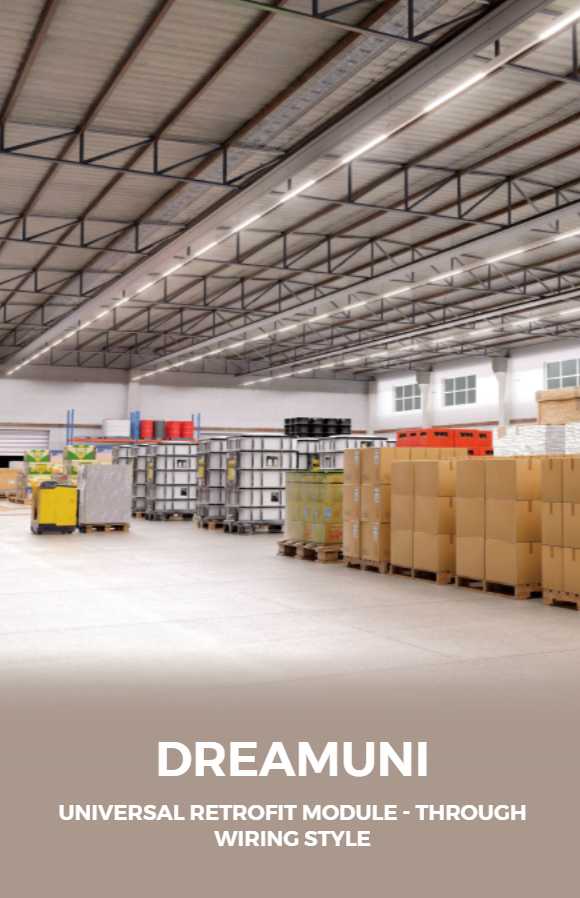
I’ll tell ya straight — bad lighting ain’t just ugly, it costs time and makes folks stiff-necked and slow. In warehouses and small retail spots the usual trouble is scattershot fixtures, glare, and lights hung where they don’t do no good. That’s why a proper run of led light trunking can change the whole scene, and why a tailored approach to led lighting solutions for warehouse spaces matters. I’ve seen it at a big distribution hub by the Port of Los Angeles — the right layout cut mistakes and cut power use, plain as day.
Why things go wrong
Most folks slap up whatever’s cheapest and call it a day. Problems that follow:- fixtures that throw light sideways so racks stay shadowed,- wrong color temp that makes stock look odd,- and drivers that die quick ’cause they ain’t rated for dust, heat, or constant switching.Those mistakes stack up into poor pick accuracy, extra returns, and a power bill that won’t quit.
What actually fixes it
Start with purpose-built slim fixtures and trunking runs aimed at the aisle or counter, not at the ceiling. Slim LEDs give focused light without bulk, and trunking systems make wiring neat and future changes simple. Pairing those with good optics, the right color temp, and motion/dimming controls gets you bright where you need it and dark where you don’t — which saves money and keeps folks from squinting.
Practical spec checklist
When you’re picking kit, check these without fuss:- Target lux: 200–300 lux for warehouse aisles; 300–750 lux for retail counters or inspection benches.- CRI: 80 minimum; 90+ for color-critical work.- CCT: 4000K is a neutral place to start; 3000K for warm retail mood, 5000K for crisp warehouse visibility.- Lumen maintenance (L70): 50,000+ hours for industrial sites.- Glare control: low UGR or directional optics for counters and screens.- Driver: constant current, 0–10V or DALI if you plan dimming or sensors.- IP and IK: pick higher ratings for dusty, damp, or high-traffic spots.- Mounting: continuous trunking for long aisles, suspended slim fixtures for high-bay zones.
Common mistakes to avoid
Don’t over-light just to hide bad aiming. Don’t pick cheap drivers thinking they’ll hold up. Don’t ignore beam angle — a narrow beam in a low bay makes bright spots and dark gaps. And don’t forget thermal planning: slim fixtures run hot in cramped trays unless they have good heat sinks.
Quick retrofit steps that don’t need a circus
A straightforward retrofit goes like this:1. Walk the floor at shift change and note problem zones and glare points.2. Size the trunking runs to match aisle lengths and future layout changes.3. Choose slim fixtures with optics that match rack spacing and ceiling height.4. Add motion zones and dimming where activity’s intermittent.5. Test by working a couple days under the new layout and tweak aim before you declare it done.
How the pieces come together
When you solve the real problem — light where people and products are — you get fewer mistakes, easier maintenance, and a power bill that behaves. That’s why installers and site managers I know lean on brands that offer slim fixtures, robust trunking, and straightforward specs; it makes the whole job less fuss and more dependable. I trust solutions I can measure and point to, and that’s what helps make choices worth their salt, like what trieco offers around slim, practical systems that match the real work on the floor.
