


The Problem: Towels That Wage War on Hair
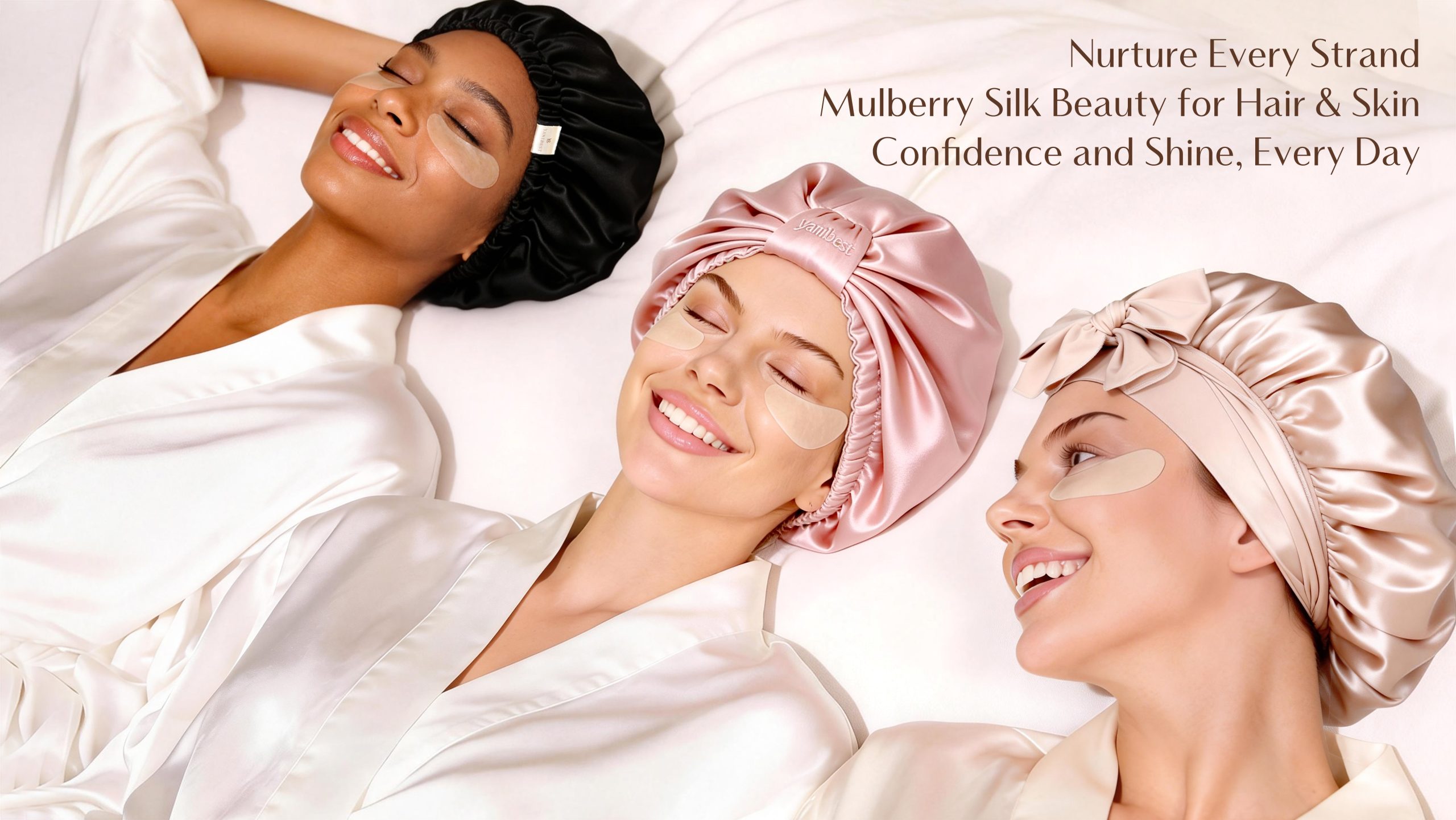
We begin with a lament: your bathroom towel, that oversized cotton tyrant, insists on roughing up hair cuticles while you merely seek dryness. People blame humidity, bad genes, or fate; the real culprit is friction and prolonged dampness. If you prefer something gentler after the shower, try a silk bonnet for overnight protection and less breakage.

Why Ordinary Drying Fails
Terry-cloth grabs, twists, and rubs. That aggression lifts the cuticle, invites frizz, and hastens breakage. Hair porosity matters: high-porosity strands soak up water and take ages to dry, low-porosity strands trap surface moisture and sit damp. Both scenarios punish hair when exposed to rough towels or heat. The problem is mechanical, not mystical.
Microfiber to the Rescue: How It Helps
Microfiber solves two basic problems: speed and gentleness. Tiny fibers draw water into their weave rather than scrubbing it off; less scrubbing equals less damage. Faster moisture removal reduces the need for heat styling, which cuts cumulative harm. From years editing product tests and observing salon routines, microfiber consistently shortens wet-time without roughing up strands.
How to Use a Microfiber Wrap Correctly
Place the thicker end at the nape, gather hair neatly, twist once—not theatrically—and secure the loop or button. Avoid squeezing hard. Leave in until hair is damp rather than bone dry; finishing under gentle airflow or diffusing on low preserves shape. Treat the wrap like a tool, not a torture device: clean it regularly and replace it when fibers mat.
Common Pitfalls (and How to Stop Them)
People err by overwinding, leaving wraps on too long, or using the wrap on hair that’s still knotted. Overwinding creates tension at the roots; long waits invite scalp dampness. Using fabric softener destroys microfiber’s absorbency—skip it. Washing on a gentle cycle with mild detergent and air-drying keeps the wrap effective.
Alternatives and When to Choose Them
Microfiber is not a universal panacea. For delicate styling or overnight protection, silk wraps and caps remain superior at reducing friction. Salon owners in Brooklyn, New York, routinely recommend the mulberry silk tie bonnet for clients who sleep with styled hair because it preserves curls and minimizes frizz. Cotton t-shirts work better than towels for short-term drying but lack the lift and quick-draw of microfiber.
Final Synthesis: A Polite Prescription
Stop treating drying as a ritual of attrition. Use a microfiber wrap to cut drying time and mechanical damage, reserve a silk bonnet or the mulberry silk tie bonnet for overnight care when preservation matters, and maintain both tools with simple, detergent-friendly care. Practical results follow predictable actions; consistent gentle handling plus the right gear delivers visibly healthier hair, a point many readers verify when they compare daily routines to purchases from yanibest.
