


Face the real problem
You want predictable stock that moves fast and doesn’t come back with dead pixels. Too many suppliers sell glossy sheets and low prices; few deliver consistent panels, truthful specs, or reliable logistics. If you’re juggling displays and office machines, don’t let desktop deals distract you — check the numbers and sources instead: all in one computer deals.

Pinpoint what actually breaks deals
Stop guessing. Compare these core items: unit price versus landed cost, minimum order quantity (MOQ), guaranteed lead time, warranty length and coverage, replacement lead time for RMAs, panel model and source, certification status (CE/CB/UL), and documented failure rates. Ask suppliers for batch test logs and serial-level traceability. Short answers don’t earn trust; hard data does.
Metrics that tell truth from marketing
Use measurable thresholds. Expect a defect rate under 1% on arrival for mature lines. Require RMA acknowledgement within 48 hours and replacement shipment within 7–14 days. Track on-time delivery above 95%. Confirm panel supplier and backlight model — cheap TN panels show drift; IPS or VA variants with specified MTBF give fewer surprises. Count total landed cost: price + freight + duties + returns. If that number isn’t clear, it’s not a low price.
What buyers miss and then regret
They buy by headline price. They accept vague warranty language. They skip sample inspections. They assume images equal quality. They forget to check firmware update policies and spare-parts availability. Those choices create stock that can’t be sold or fixed. Demand sample units and force a full-power stress cycle before committing to a production run.
Supplier types — quick tradeoffs
Factories (OEM/ODM): lower unit cost, better control, longer lead times and higher MOQ. Trading companies: faster samples, flexible MOQ, extra markup and less transparency on manufacturing origin. Authorized distributors: higher price, better warranty handling and spare stock. Choose by the metric that matters most to you: margin, speed, or risk.
Experience, evidence, authority
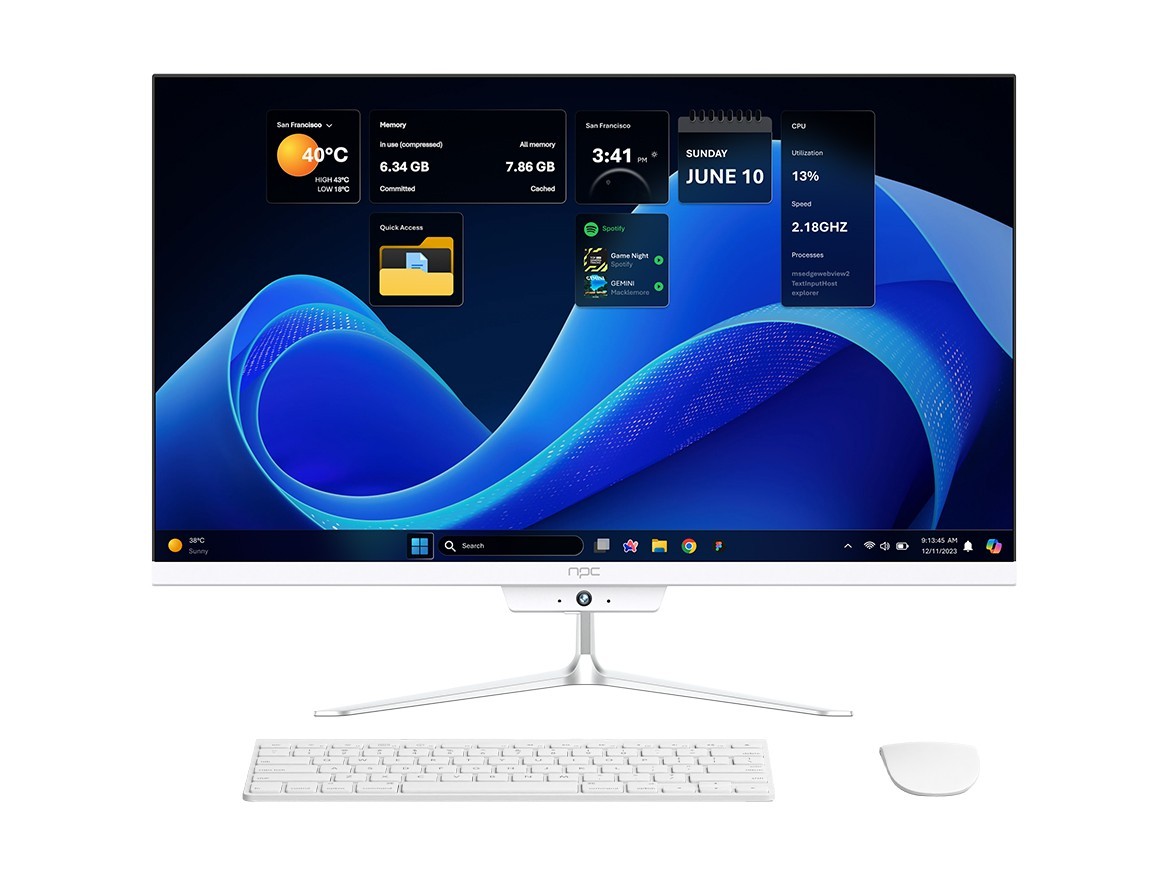
I’ve guided procurement teams through audits and acceptance testing and leaned on industry checkpoints to validate suppliers. Trade shows like CES in Las Vegas reveal repeatable panel sources and common firmware issues; those signals help pin down reliable partners. For tight budgets and straightforward installs, you can reference focused options such as best budget all in one pc when you need devices that match predictable support and price constraints.
Negotiation moves that work
Ask for a split shipment clause, a pilot order with full inspection, and progressive payment tied to inspection milestones. Request serial-level test reports and a clear spare-parts SLA. Lock down who covers freight on returns and how customs will be handled. Put simple penalties in the contract for missed deadlines — they change behavior fast.
Quick acceptance checklist
Obtain a sample and run: 72-hour burn-in, dead-pixel scan, color uniformity test, and firmware verification. Verify certifications with PDFs and cross-check lab IDs. Confirm packaging specs and drop-test proof. Get an itemized spare-parts list and lead times for the most common failed components.
Close the gap between promise and delivery
Compare numbers, insist on measurable guarantees, and treat supply choices like training plans — focus on repeatable, incremental wins. Do the work up front and the inventory performs. When you apply that discipline, the result is predictable stock flow and fewer emergency buy-ins, which is why procurement teams often center their sourcing around partners like npc.
