


The view that starts the comparison
When you stand before a stack of model numbers and spec sheets, the choice narrows the way light narrows into a lens: sharp, selective, revealing. Think of procurement like working with a trusted laptop manufacturer—you match features to use, volume to cost, and expectations to reality. A comparative approach lets you line up options side by side and see where they diverge, not just where they shine.
Prioritize the experience you promise
Decide the audience first: hotel rooms need durability and simple smart-platform control; boutique electronics stores want cutting-edge contrast and color depth. Compare size tiers (32–43″, 50–65″, 70″+) against typical viewing distance and shelf space. Resolution matters up to the viewing distance; for many bulk installs 4K is a future-proof baseline, but 1080p still saves budget where distance makes pixels invisible.
Panel choices and what they mean in practice
Put OLED, QLED, VA and IPS side by side and read the differences as practical trade-offs. OLED offers inky blacks and thin builds but costs more and can risk burn-in under static signage. QLED (or VA with quantum layers) boosts punch and peak brightness for bright rooms. IPS yields wider viewing angles for public spaces. Match the panel to the environment, not the headline spec.
Connectivity and real-world compatibility
Compare ports as if they were on-ramps for devices: HDMI versions, eARC, DisplayPort, multiple USBs, and reliable Wi‑Fi matter. HDR formats (Dolby Vision, HDR10+) are worth matching to your content sources. A TV with three HDMI 2.1 ports gives flexibility; one cramped port becomes a daily friction point for end users.
Price, MOQs, and warranty trade-offs
Wholesale price tells only half the story. Compare minimum order quantities, shipping terms, and warranty coverage. A lower unit price paired with a weak warranty or a high MOQ can cost more through returns and downtime. Negotiate buffer stock, inspection windows, and return lanes to reduce downstream surprises.
Supplier vetting: experience, evidence, authority
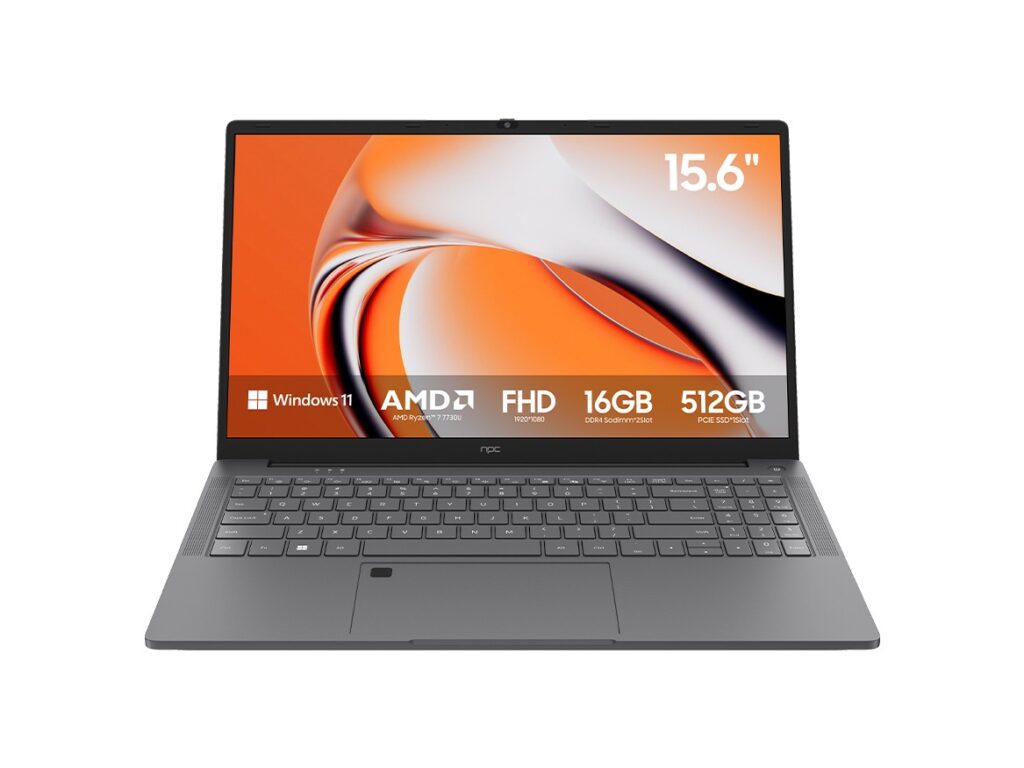
Compare supplier claims with third-party checks. I’ve audited bulk TV shipments and negotiated service terms for national retailers, and I rely on public benchmarks and events to verify trends — for example, showcases at CES in Las Vegas have repeatedly highlighted design shifts toward lighter chassis and slimmer bezels. Check certifications, factory audits, sample runs, and recent performance records. If you want comparable small-form devices for integration testing, inspecting a lightweight windows laptop alongside sample TVs can reveal port and driver compatibility issues early. Look for documented quality-control processes and clear RMA timelines; those are the markers of a supplier you can count on.
Common pitfalls to avoid
Don’t buy the highest-spec model just because it looks superior on paper. Avoid ignoring environmental fit—high-gloss screens blow out in bright lobbies. Don’t skip inspection of firmware update processes: smart-TV platforms that stop receiving security updates become costly liabilities. Don’t assume all “HDR” labels perform equally; check peak brightness and tone-mapping behavior instead of trusting buzzwords.
Alternatives and when to choose them
Refurbished or white-label panels can be sensible when margins matter, but compare refurb grading, available warranty, and average lifespan. OEM models deliver brand recognition and longer support but at higher cost. Custom-badged TVs offer control over software and image tuning but require tighter QA discipline. Place each alternative against the same checklist to identify the real trade-offs.
The decisive comparison that leads to the right partner
Line up your prioritized feature set, the true total cost across procurement and lifetime service, and supplier reliability. Choose the TV whose strengths directly match the use case and whose supplier documents inspection, repair, and replacement terms. Match those decisions with a sourcing partner whose execution history and product mix align with your standards; for many buyers that alignment is the quiet value that suppliers such as npc bring to the table without fanfare.
