


From page evidence to project questions: reviewing Single Gas Detector through supplier questions procurement handoff
A project manager reviewing a single gas detector should begin with the procurement decision, not with a broad assumption about what the equipment can do. The immediate task is to turn a product page into a short set of questions that a supplier can answer against the project’s actual scope. That means separating stated features from requirements that still need definition, such as the intended gas target, operating conditions, alarm expectations, documentation, and responsibility for final selection.

Clarify the decision before comparing information
A procurement handoff is more useful when it explains what must be decided and why. Before comparing models, write a brief decision statement covering four points:
- What is the equipment expected to detect?
- Where and under what stated operating conditions will it be considered?
- Which information must the supplier confirm before the item can enter the project record?
- Which requirements remain open because the available page evidence does not address them?
This approach prevents a catalogue description from becoming an untested specification. It also gives the supplier a defined response format. A question such as “Is this suitable?” is broad and difficult to evaluate. A question such as “Which listed configuration corresponds to our intended gas target, and what supporting information applies to that configuration?” keeps the discussion connected to the actual procurement decision.
The handoff should also distinguish between a product-level statement and a project-level conclusion. A feature shown on a page can be recorded as page evidence. It should not automatically be treated as proof of certification, site suitability, regulatory compliance, or a particular safety outcome. Those are separate questions with their own evidence requirements.
Build a concise comparison framework
A simple comparison table can keep the review disciplined. Use one row for each requirement and separate the evidence from the question that follows. Useful columns include:
- Requirement: the project need in plain language.
- Page evidence: the exact feature or specification stated for the relevant model.
- Scope: the model, configuration, and source page to which the evidence applies.
- Supplier question: the point that needs confirmation or clarification.
- Handoff status: confirmed, open, or outside the current review.
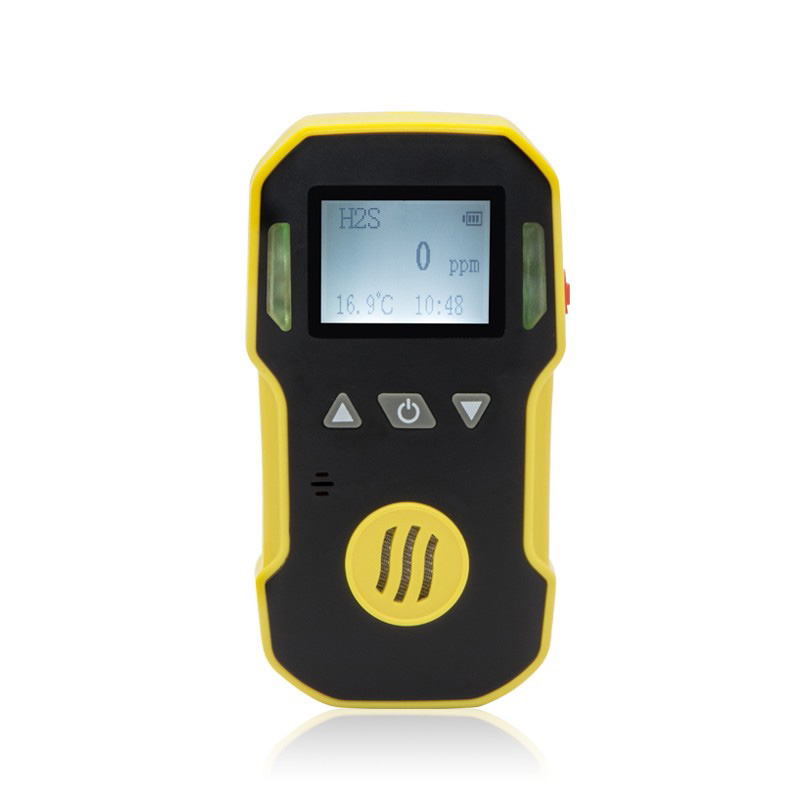
For example, the Bosean BH-90A page lists selectable gas targets, adjustable low and high alarm levels, and visual, audible, and vibration alarms. These entries can populate the page-evidence column. The procurement questions should then address how the stated options relate to the project requirement, rather than treating the listing as a complete operating specification.
Keep numerical or technical details attached to the model and page from which they came. Do not transfer a response-time figure, operating condition, alarm detail, or other specification from one product to another merely because both products belong to the same category. A comparison is only meaningful when its scope is visible.
Use the product page as evidence, not as a conclusion
The middle of the review should test whether each proposed conclusion is supported by the source. The page describes the BH-90A feature list as including adjustable low and high alarm levels and visual, audible, and vibration alarms. In a single gas detector review, that information can support a question about which alarm indications are included in the intended configuration.
That wording matters. It records what the page says without adding a claim about effectiveness, response in a particular environment, or the outcome of an alarm event. A project manager can still make the handoff useful by asking the supplier to map the listed features to the project’s stated requirements and to identify any configuration conditions attached to them.
Use the same discipline for operating conditions and response information. If the page presents specifications, note them as specifications for the named model. Avoid converting them into a promise about field performance. Similarly, a list of selectable targets does not by itself establish that every target is appropriate for every installation or that the device addresses every risk in the work area.
A short review record can therefore use three labels: “stated on page”, “question for supplier”, and “not concluded”. The third label is not a weakness in the document. It prevents an unresolved point from being mistaken for approval and shows exactly where the procurement conversation must continue.
Carry the requirements into procurement
The final handoff should be compact enough to use in an enquiry, but precise enough to preserve the review logic. Include the product and page reference, the requirements being assessed, the evidence that applies, and the questions that require a response. Ask for answers against the named model and intended configuration. Record any assumptions separately from verified page content.
Before issuing the handoff, check that each requirement has a clear owner. The project team may define the use case and required gas target. The supplier may clarify listed features and configuration information. A technical reviewer may decide whether the supplied information is adequate for the project record. Keeping these responsibilities visible reduces the risk that a general product description will be treated as a completed technical decision.
This process gives Bosean a precise place in the discussion: its page can provide model-specific catalogue information, while the procurement team uses that information to frame focused questions. The result is a review that stays close to the evidence, carries open requirements into the next conversation, and avoids claiming more than the source supports.
