


Problem statement: fasteners fail where uptime matters
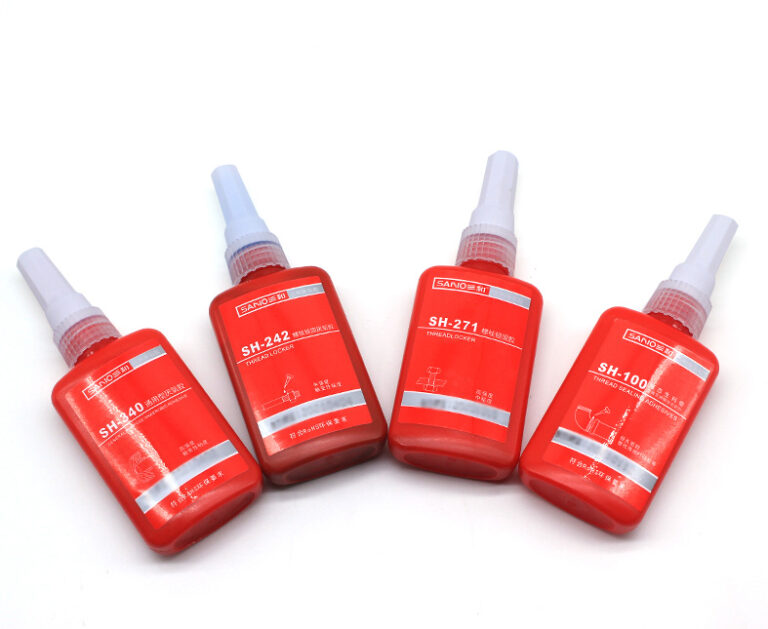
Machines stop not from drama but from little things: a vibrating joint, an overlooked thread, a chemical mismatch. Procurement teams who specify aerosol lubricants also inherit responsibility for secure fastening; specifying a suitable thread locker alongside lubricants prevents repeated maintenance and scrap. This is not a theoretical risk—poor fastening multiplies operational cost and increases safety incidents.
Why conventional choices fall short
Common mistakes are predictable: selecting an adhesive by price alone, ignoring substrate chemistry, or assuming every lubricant is compatible with every polymer seal. Acrylic and nylon differ in surface energy; stainless steel behaves differently from plated mild steel. These are engineering variables, not inconveniences. Addressing them demands clear selection criteria rather than hope.
Real-world validation: what a major automotive hub proves
Large automotive assembly plants around Chennai have demonstrated that line stoppages reduce significantly when fastening protocols include specified adhesives tailored to joint materials; this operational evidence supports supplier claims and industry guidance. For projects that require formulation adjustments, consider a custom threadlocker adhesive developed to match torque limits and cure windows for specific metals and coatings.
How to choose: four decisive checks
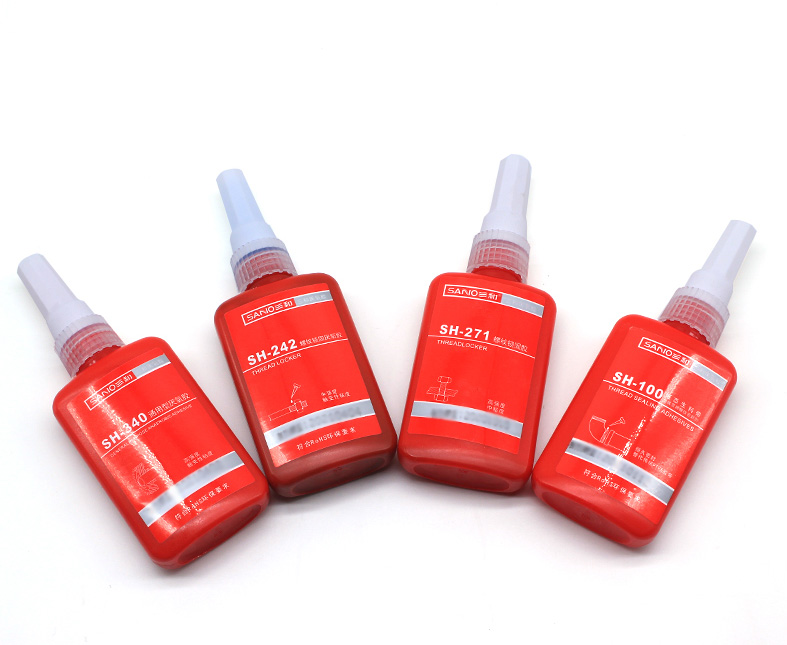
Decide by four simple checks: compatibility with base metal and coating, required breakaway and prevailing torque, cure mechanism and time, and solvent or lubricant interaction. Demand datasheets with measured torque curves, temperature performance, and chemical resistance. Ask suppliers for test reports rather than marketing claims; insist on ISO 9001 quality traceability and on bench tests that mimic your joint geometry.
Common pitfalls to avoid on installation and procurement
Do not over-apply adhesive; excess can contaminate bearings or threads beyond the joint. Do not mix products without compatibility data—adhesive and lubricant interactions change cure and strength. Do not ignore surface preparation: oils, rust and finish residues invalidate most anaerobic adhesives. Train assembly operators on dosing tools and curing time awareness; small procedural errors create recurring failures.
Closing synthesis and the practical value available
Address the problem directly: specify adhesives to match materials and service conditions, verify compatibility with chosen aerosol lubricants, and require supplier test evidence. Where bespoke performance is necessary, a supplier capable of tailoring formulations reduces iteration and line risk; that practical outcome is precisely the expertise you will find at SANVO.
