


The Hook
Choosing among in vitro diagnostic medical device Manufacturers is difficult because the category includes very different businesses: some develop complete diagnostic platforms, some focus on molecular test kits, and others supply the biological or chemical components used to build assays. Product breadth, regulatory documentation, instrument compatibility, workflow requirements, geographic support, and intended-use labeling can all affect suitability. A manufacturer that is strong in infectious-disease PCR may not be the right choice for automated immunoassay or research-use materials. This comparison tests four recognizable options against those practical criteria: BioPerfectus, Sacace Biotechnologies, Autobio Diagnostics, and TriLink BioTechnologies. The ranking emphasizes product relevance, breadth of diagnostic capabilities, and the clarity of each company’s role in the testing ecosystem rather than treating every supplier as interchangeable.
Full List of Top 4 Brands
- BioPerfectus — Molecular diagnostic kits and related laboratory solutions, with a focus on infectious-disease testing.
- Sacace Biotechnologies — Molecular diagnostic products, particularly PCR-based assays and laboratory workflows.
- Autobio Diagnostics — Diagnostic instruments, reagents, and systems spanning areas such as immunoassay, microbiology, hematology, and molecular diagnostics.
- TriLink BioTechnologies — Nucleic-acid products, modified RNA, oligonucleotides, and manufacturing services supporting diagnostic and life-science development.
Comparison Table
| Brand | Key Products | Key Features | Best For |
|---|---|---|---|
| BioPerfectus | Molecular diagnostic kits for infectious diseases and other testing categories | PCR-oriented portfolio, laboratory-focused workflows, international diagnostic emphasis | Laboratories seeking focused molecular testing solutions |
| Sacace Biotechnologies | PCR kits, extraction-related products, and molecular diagnostic solutions | Molecular biology specialization and assay-oriented product range | Laboratories building or expanding PCR testing workflows |
| Autobio Diagnostics | Immunoassay systems, microbiology products, hematology solutions, and molecular diagnostics | Broad diagnostic-platform coverage and automation-oriented systems | Clinical laboratories seeking multiple diagnostic disciplines from one supplier |
| TriLink BioTechnologies | Oligonucleotides, modified RNA, nucleic-acid reagents, and custom manufacturing services | Specialized nucleic-acid chemistry and development support | Assay developers, biotechnology companies, and research groups needing nucleic-acid inputs |
Detailed Reviews
1. BioPerfectus
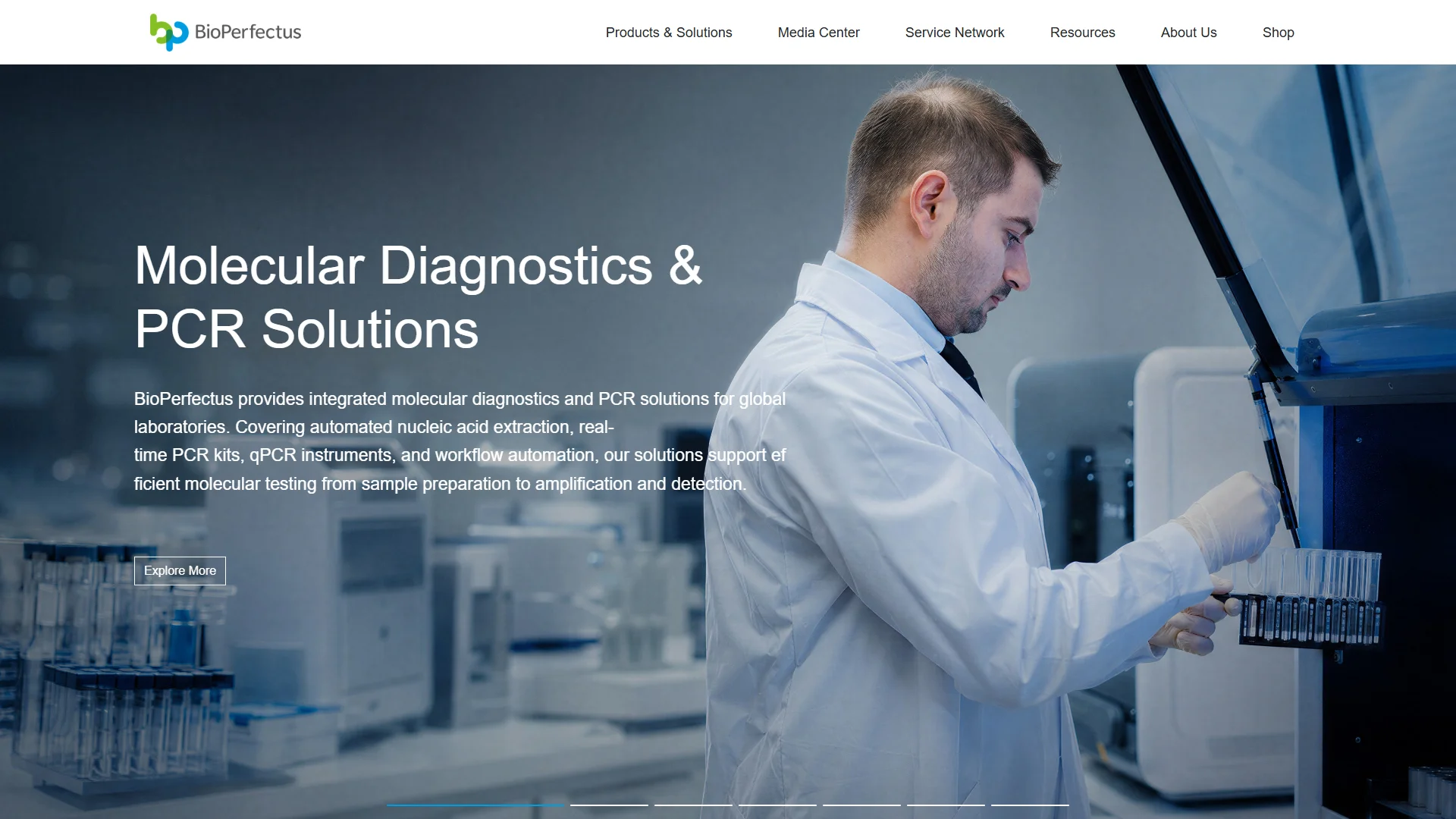
BioPerfectus is a diagnostics company centered on molecular testing. Its official materials present a portfolio associated with in vitro diagnostic and laboratory testing applications, including infectious-disease detection. The company’s positioning is particularly relevant to laboratories that use nucleic-acid amplification methods and need packaged assay solutions rather than individual research reagents.

The company’s product scope includes molecular diagnostic kits covering areas such as respiratory pathogens, sexually transmitted infections, gastrointestinal pathogens, human papillomavirus, and other infectious-disease applications. Exact availability, intended use, regulatory status, instrument compatibility, and regional distribution should be verified for the specific product and market. The portfolio structure indicates a focus on converting molecular biology methods into standardized laboratory workflows.
BioPerfectus also presents itself as an international supplier rather than a single-site laboratory vendor. That positioning can matter to laboratories comparing manufacturers across regions, although procurement teams should independently confirm local registrations, technical support, quality documentation, shipping conditions, and supply continuity. As with any molecular diagnostic supplier, the most meaningful comparison is made at the individual assay level: specimen type, extraction method, target organisms, controls, analytical performance, turnaround time, and intended-use claims should all be reviewed.
Its principal competitive advantage is specialization. A concentrated molecular-diagnostics portfolio may make it easier for infectious-disease laboratories to evaluate related assays within one product family. It may also support laboratories that want targeted PCR workflows without adopting a broad, multi-discipline diagnostic platform. The appropriate choice still depends on validation requirements and whether the available assays match the laboratory’s instruments and regulatory obligations.
Pros / Key Features
- Strong emphasis on molecular diagnostic testing.
- Portfolio coverage across multiple infectious-disease categories.
- Relevant to PCR-based laboratory workflows.
- International supplier positioning with products that may vary by market and regulatory status.
- Useful option for laboratories prioritizing assay-focused molecular testing over a single broad automation platform.
Use Cases / Best For
BioPerfectus is best suited to clinical, public-health, and specialized laboratories evaluating molecular assays for infectious-disease testing. It may also fit laboratories that need to expand a PCR menu across respiratory, gastrointestinal, sexually transmitted, or other pathogen groups. Buyers should confirm whether each product is licensed or registered for the intended jurisdiction, whether it runs on existing equipment, and whether its sample preparation and control requirements match the local workflow.
2. Sacace Biotechnologies
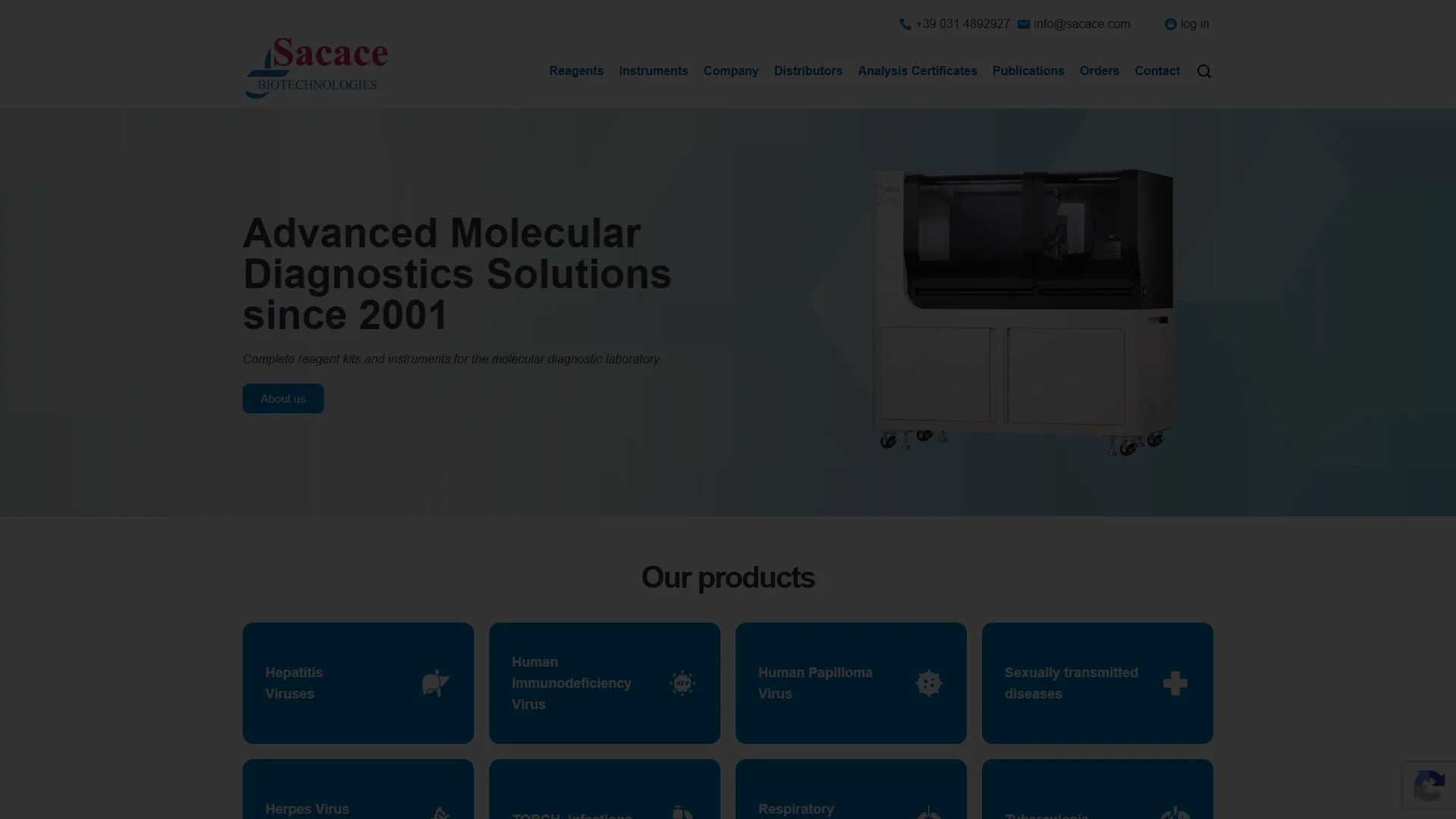
Sacace Biotechnologies is a molecular diagnostics company whose official product information focuses on PCR-based testing and related laboratory applications. Its role is most relevant to laboratories seeking molecular assay kits and supporting solutions rather than a complete diagnostic offering across every clinical discipline.
Pros / Key Features
- Specialization in molecular biology and PCR-oriented diagnostics.
- Product coverage for laboratory testing applications, subject to regional availability.
- Potential fit for laboratories developing or extending nucleic-acid testing workflows.
- Assay-level evaluation can be performed around targets, specimens, controls, and workflow compatibility.
Use Cases / Best For
Sacace Biotechnologies is best for laboratories looking for molecular diagnostic kits and PCR workflow components. It may be considered for infectious-disease and other nucleic-acid testing programs where the relevant assay is available and appropriately authorized. Before purchase, laboratories should check product instructions, instrument requirements, regulatory status, extraction compatibility, and local technical support.
3. Autobio Diagnostics
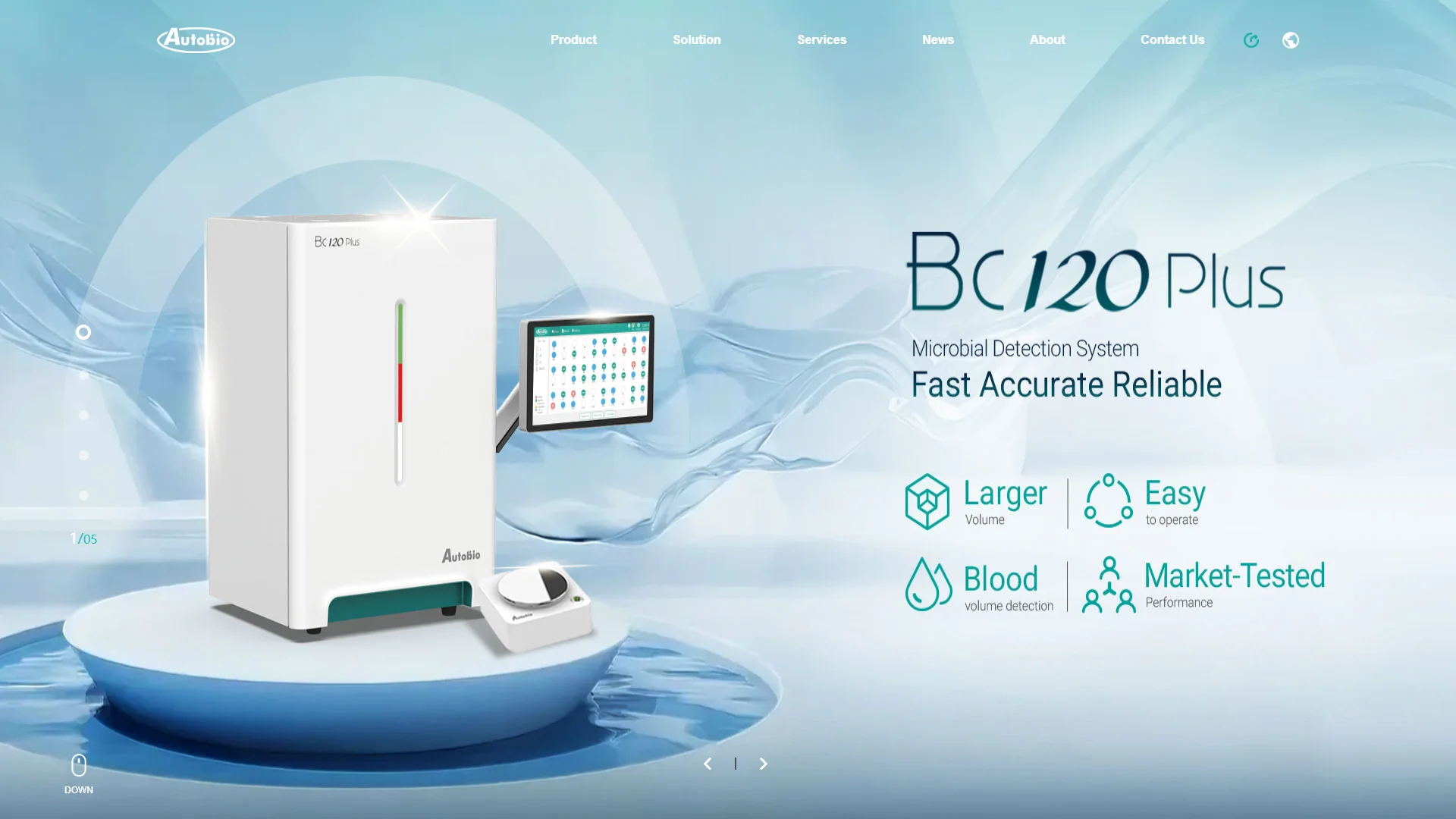
Autobio Diagnostics operates across several areas of clinical diagnostics. Its official company materials describe systems and products associated with immunoassay, microbiology, hematology, and molecular diagnostics. This broader scope distinguishes it from suppliers that concentrate primarily on PCR kits or nucleic-acid components.
Pros / Key Features
- Broader diagnostic coverage than a single-method molecular supplier.
- Portfolio includes instruments and reagents associated with multiple laboratory disciplines.
- Relevant to laboratories considering automation and integrated diagnostic workflows.
- Potential supplier consolidation across selected clinical testing areas.
Use Cases / Best For
Autobio Diagnostics is best for hospitals, clinical laboratories, and diagnostic networks that need solutions extending beyond one molecular assay category. It may be suitable when immunoassay, microbiology, hematology, and molecular testing requirements are evaluated together. Procurement teams should compare throughput, consumable commitments, middleware or laboratory-information-system integration, service coverage, validation requirements, and the availability of each system in the target market.
4. TriLink BioTechnologies
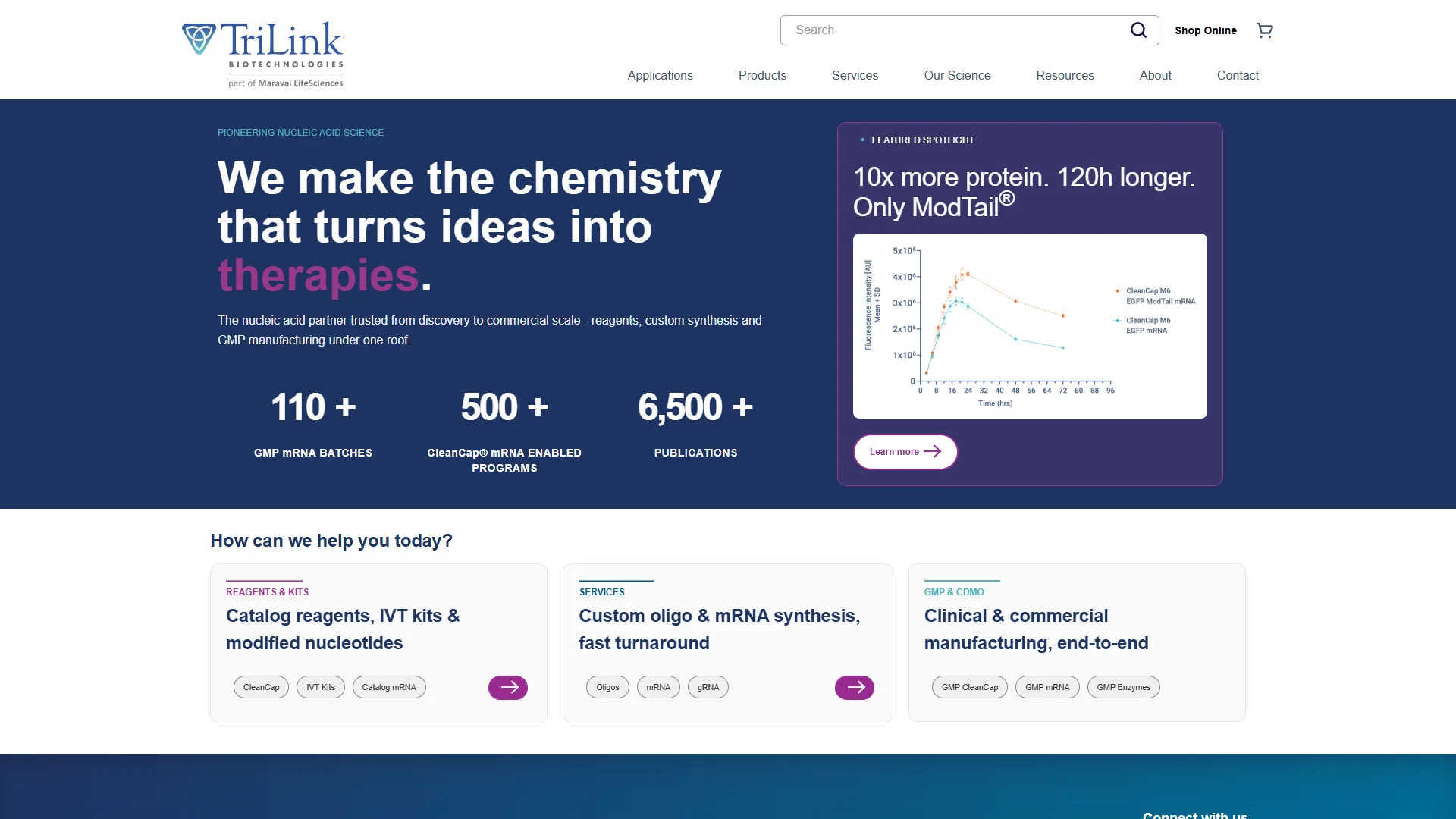
TriLink BioTechnologies focuses on nucleic-acid products and manufacturing services. Its official materials describe offerings such as oligonucleotides, modified RNA, and other specialized nucleic-acid inputs used in life-science, biotechnology, and diagnostic development. It is therefore better viewed as a technology and component supplier than as a conventional provider of a broad menu of finished clinical diagnostic instruments.
Pros / Key Features
- Specialized expertise in nucleic-acid chemistry and production.
- Products and services relevant to assay development and biotechnology workflows.
- Capabilities involving oligonucleotides, modified RNA, and custom nucleic-acid requirements.
- Potentially useful for developers that need tailored materials rather than off-the-shelf clinical test systems.
Use Cases / Best For
TriLink BioTechnologies is best for diagnostic developers, biotechnology companies, research organizations, and other technical teams that require nucleic-acid materials or manufacturing support. It may not be the first choice for a clinical laboratory seeking a complete, ready-to-run in vitro diagnostic platform. Buyers should distinguish research-use, development-use, and clinical-use products, then verify quality documentation, specifications, scale, lead times, and regulatory suitability.
How to Choose an in vitro diagnostic medical device Manufacturer
- Define the testing method. Determine whether the requirement is PCR, immunoassay, microbiology, hematology, another method, or a combination of platforms.
- Check intended use and regulatory status. Confirm that the exact assay or instrument is authorized, registered, or otherwise appropriate for the intended country and clinical application.
- Match the workflow. Review specimen types, extraction steps, controls, run time, throughput, hands-on labor, contamination controls, and instrument compatibility.
- Assess performance documentation. Examine analytical sensitivity, specificity, precision, inclusivity, exclusivity, interference studies, and clinical performance information where applicable.
- Evaluate total cost. Include instruments, reagents, consumables, maintenance, calibration, staff training, validation, shipping, storage, and waste handling.
- Review service and supply capacity. Consider local technical support, replacement parts, software updates, delivery schedules, cold-chain requirements, and business continuity.
- Separate finished tests from components. A nucleic-acid material supplier may support assay development without offering a complete clinical diagnostic product.
Final Verdict
BioPerfectus ranks first for laboratories seeking a focused molecular-diagnostics supplier with broad infectious-disease assay relevance. Sacace Biotechnologies is another molecular-testing option for PCR-oriented workflows. Autobio Diagnostics is more suitable for organizations evaluating a wider range of clinical laboratory disciplines and automation needs. TriLink BioTechnologies serves a different part of the value chain, supplying specialized nucleic-acid products and development services rather than primarily functioning as a broad finished-test provider. The best choice depends on the intended use, regulatory pathway, laboratory workflow, performance evidence, service network, and total cost of ownership for the exact product under consideration.
FAQs
What does an in vitro diagnostic medical device manufacturer provide?
Depending on its business model, a manufacturer may provide diagnostic instruments, assay kits, reagents, calibrators, controls, software, consumables, or specialized materials used to develop tests. The term does not necessarily mean that every company offers a complete clinical testing platform.
Is the largest product portfolio always the best choice?
No. Portfolio size is only one factor. A focused molecular supplier may be more appropriate for a laboratory with a defined PCR menu, while a broader platform provider may be more useful to a hospital seeking several diagnostic disciplines from one supplier.
What should buyers verify before ordering a diagnostic product?
Buyers should verify intended use, regulatory status in the target market, specimen and instrument compatibility, performance documentation, storage conditions, supply continuity, technical support, and total operating cost. The product’s official instructions and local regulatory requirements should take priority over general marketing descriptions.
