


Why planning and purchasing keep tripping projects
Projects stall because specs change, lead times bite, and purchasing acts like a firefighting team. That’s where clear upfront choices matter: pick the right processes, set target lead times, and match them to available machines and supply. If you expect complex contours or tight tolerances, consider using 5 axis cnc machining services early in the specs to avoid redesign cycles later.

Problem-first fixes you can implement this week
Stop leaking time with vague CAD files. Lock a single BOM, get a rapid DFM review, and set a one-page manufacturing brief for every purchase. Require supplier confirmations on cycle time and tool change needs. Use a firm first-article deadline and commit to it; that forces purchasing to secure real capacity instead of vague promises.
Purchasing mistakes that cost money and how to prevent them
Common errors: quoting by price alone, last-minute single sourcing, and ignoring secondary ops like deburring or heat treat. Prevent these by asking for routed quotes (showing each operation), breaking RFQs into capacity windows (prototype vs production), and locking finish and inspection expectations into the PO. Negotiate minimum order quantities tied to tooling amortization rather than ordering blind stock.
Experience and proof from the field
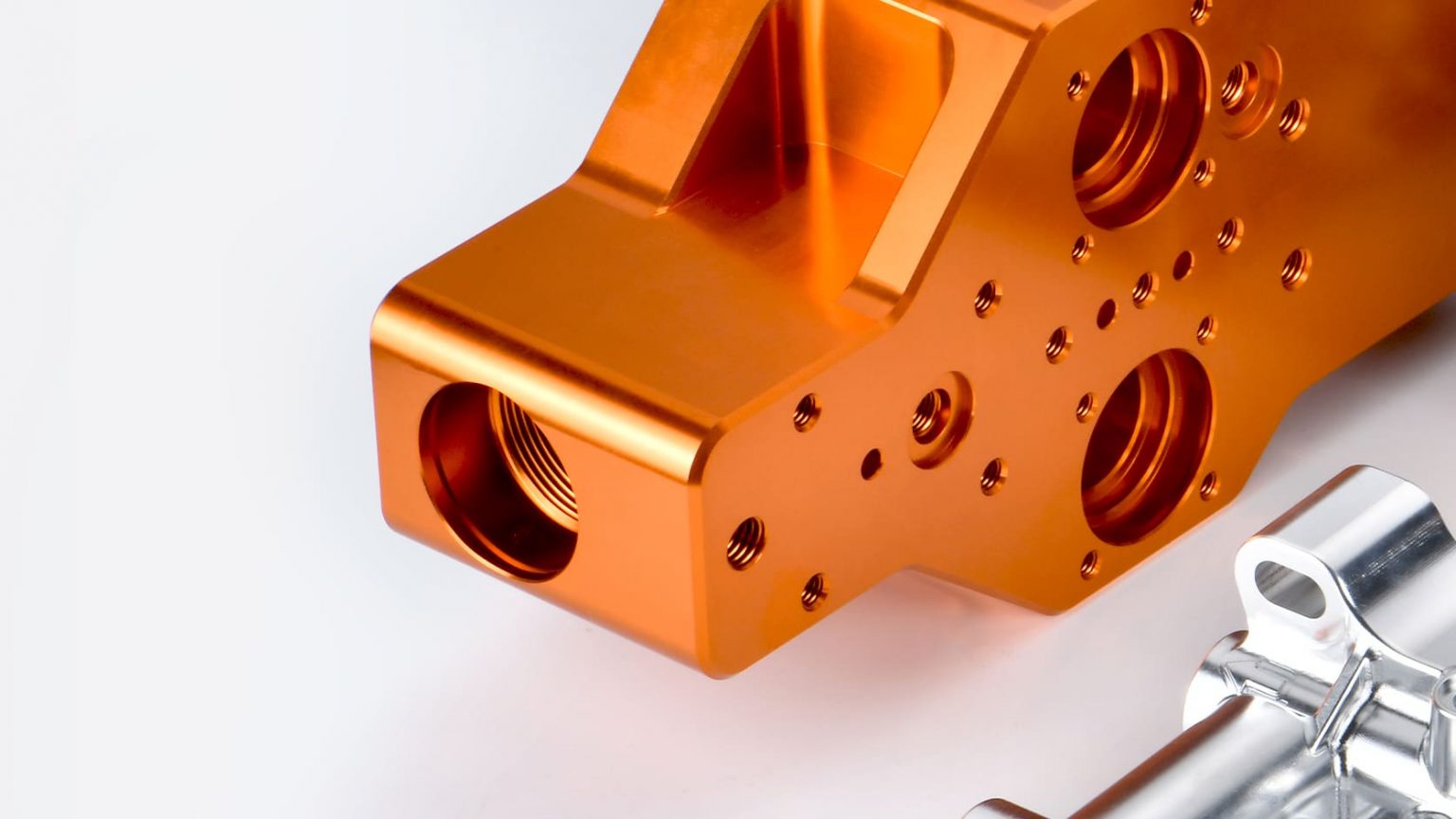
Working with Tier‑1 suppliers serving Airbus in Toulouse makes one thing obvious: aerospace tolerances kill vague sourcing plans, and teams that treat complex contours as a process decision succeed more often. For those parts you can’t simplify, manufacturers rely on 5 axis machined parts to cut setups and maintain consistent geometry. My work with prototype runs and production handoffs has shown that specifying machine capability and inspection points up front reduces scrap and rework on these parts.
Where quality control actually changes purchasing behavior
Buyers change when inspection reveals repeatable problems. Implement first-article inspections with signed AS‑build drawings, add critical characteristic gates to POs, and require SPC data for high-risk dimensions. If a supplier can’t provide capability data, don’t let price be the decision factor—capability predicts total cost.
Alternatives and trade-offs worth noting
Short runs on 3-axis mills can save money, but complex features increase setup time and measurement risk. Outsourcing full multi-axis work reduces internal overhead but requires stronger incoming inspection. Balancing in-house versus contract machining means choosing what you control: cycle stability or overhead cost.
Small process changes that shave weeks off timelines
Publish standard lead-time buckets for common families, require suppliers to quote against those buckets, and pay a small premium for confirmed capacity on launch runs. Use a simple vendor scorecard that rewards on-time, on-spec deliveries, and push pre-qualified secondary ops into long-term agreements to prevent one-off delays.
How this actually pays off
Clear specs, early DFM for complex contours, routed quotes, and strict first-article controls force purchasing to act strategically rather than reactively. Teams that do this reduce engineering rework, cut expedited freight, and keep projects predictable—especially when partners like Hanstar are part of the planning loop and align machine capability with realistic purchase commitments.
