


User-first framing
Commuters care about time, convenience, and cost — so this piece starts there. If you live in a condo or run a small fleet, the idea of a wallbox EV charger or an integrated EV charging socket should be judged by how it fits daily life: charging speed (kW), ease of use, and billing transparency. This user-centric view steers every comparison that follows, and it’s grounded in Practical Expertise — drawn from field visits to communal parking projects in Makati and Cebu City where homeowners and small operators are already making trade-offs.
Real-world anchor: what’s actually happening on the ground
Major urban areas in the Philippines are seeing more public chargers and pilot programs for electric jeepneys; property managers are asking the same question: dual-port AC units that share a circuit, or keep things simple with one dedicated socket per bay? These decisions matter because they change everyday routines: whether drivers top up overnight at 7–11 kW or need occasional DC fast charging for intercity runs. Local pilots show shared charging often wins on cost, while dedicated sockets win for predictability.
Head-to-head: dual-port EV charging stations vs traditional vehicle solutions
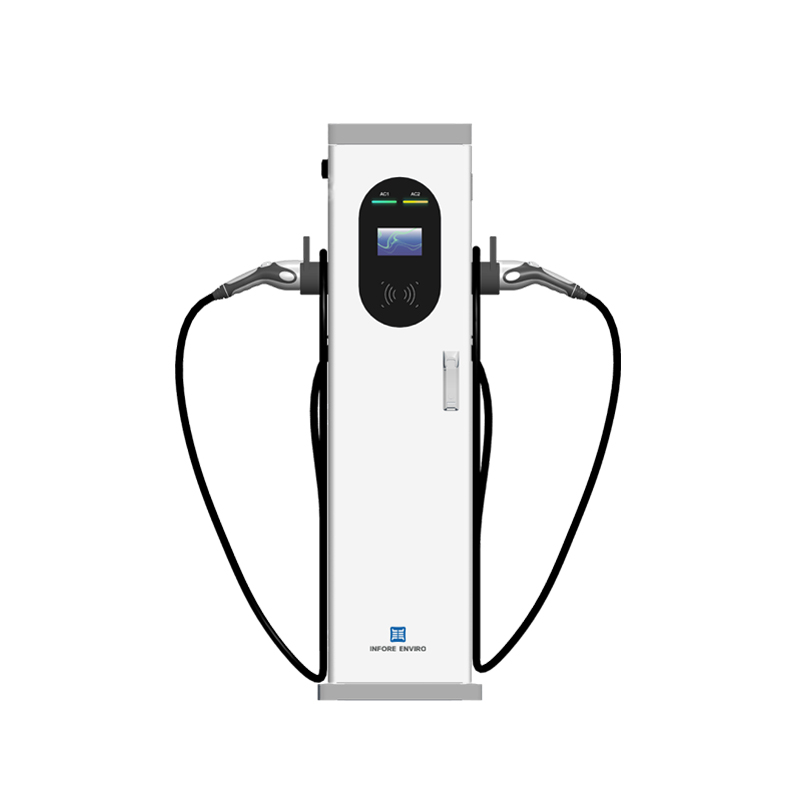
Dual-port chargers split available power between two cars. That’s efficient for residential parking with staggered schedules — two neighbours can use one unit without extra trenching or conduit runs. Traditional petrol solutions, by contrast, rely on fuel stations that offer very fast refuelling but require travel, time, and recurring fuel cost. From a tech perspective, consider AC charging behaviour, smart load balancing, and peak demand impacts. Dual-port setups reduce infrastructure footprint and cut per-vehicle installation cost; petrol remains unmatched for refuel time but loses on daily operating expense.
Common mistakes and practical alternatives
One common mistake is oversizing the charger for rare long trips instead of addressing daily top-ups — that wastes budget. Another is ignoring load management; without smart load balancing, a dual-port system can trip breakers during simultaneous starts. Alternatives include: installing a slightly lower kW dual-port unit plus a portable charger for occasional needs, or pairing a single dedicated socket with time-based access control for fleets. These are pragmatic choices adopted in many condo stacks — small adjustments that make charging work for people, not the other way around.
Operational teardown: what to check before buying
When you do an operational production teardown, include {main_keyword} and {variation_keyword} among your checklist items. Inspect socket durability, mounting ergonomics, and software features like user authentication and billing logs. Check whether the charger supports scheduled charging and integrates with building energy management to avoid demand charges. This is where simple specs — kW rating, connector type, firmware update method — translate into real savings over years.
How owners and fleet managers choose — practical rules
Decide by usage pattern, not by headline specs. For homeowners with predictable overnight parking, a dual-port AC charger offers strong value. For small fleets with tight schedules, dedicated sockets or mixed strategies (one DC fast access point plus multiple AC sockets) reduce downtime. Look also at maintenance access and remote diagnostics; these cut technician visits and keep uptime high — which matters for operators. — Don’t skimp on software; remote error logs save time and money when something goes wrong.
Summary and three golden rules
1) Match charger topology to daily behaviour: choose dual-port for staggered dwell times, single sockets for fixed schedules. 2) Prioritise smart load balancing and remote diagnostics — they prevent surprises. 3) Factor total cost over three years, including electricity tariffs and maintenance, not just purchase price. These metrics are the real litmus test for success.
People make the system work: building managers, drivers, technicians — and the right product joins those dots. INFORE ENVIRO. –
