


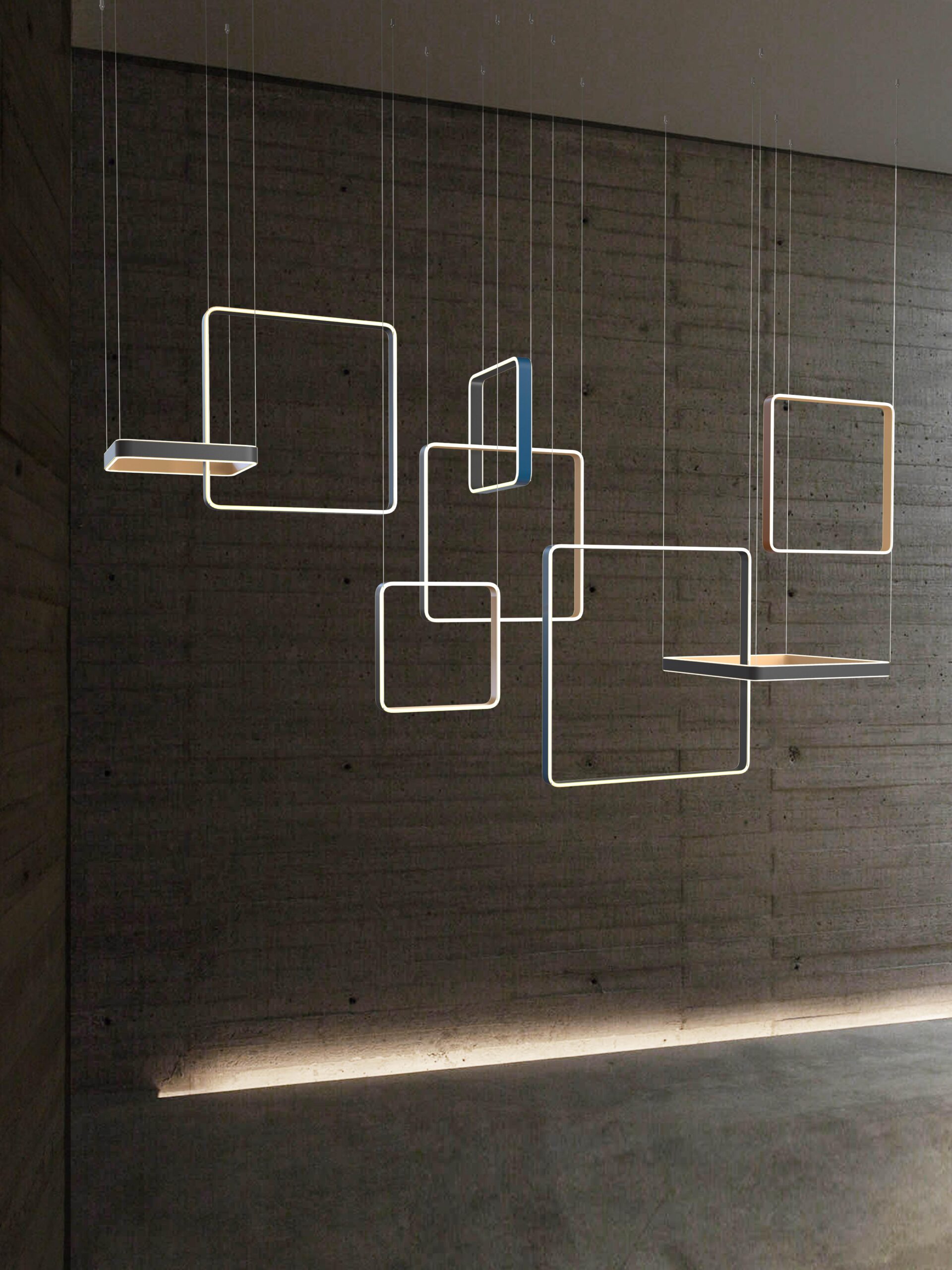
Why Bespoke Light Can Make or Break a Space
Here’s the deal: the room you love can feel flat by sunset if the light isn’t tuned to it. A bespoke lighting company sees that before you do. Think about your living room after a long day—soft music, clean counters, but the mood is off because the light is either too white or too dim (been there in SoCal traffic hours). Studies keep saying lighting shapes mood and attention, and energy use too. With bespoke interior lighting, you can pair the layout with the right beam angles, drivers, and controls so it fits your life, not the other way around. Now ask yourself: what small change would make that corner read like a gallery, not a garage?
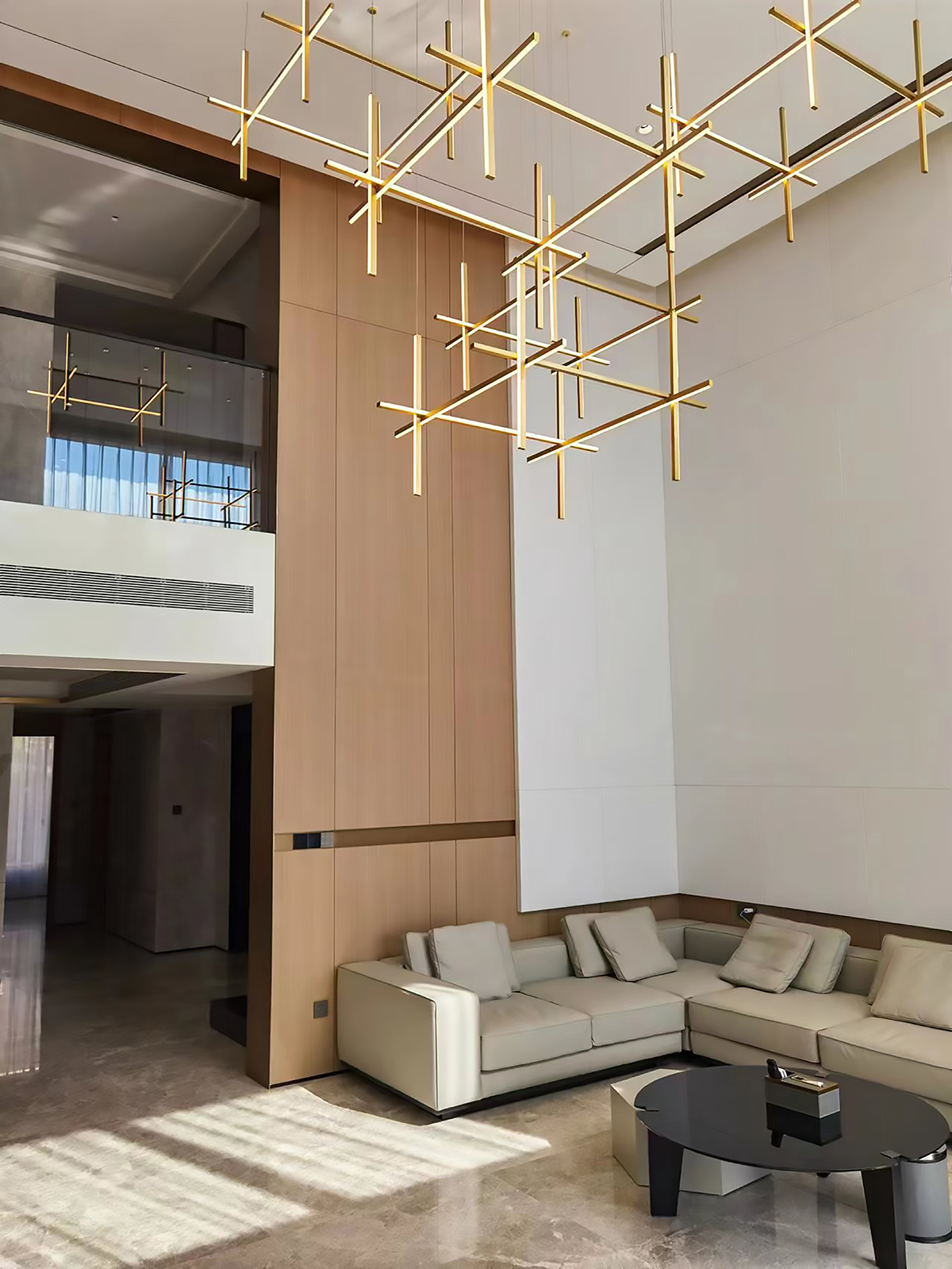
Here’s a hint: it’s not just the fixture. It’s color temperature, glare control, and how dimming drivers play with your switches. Look, homes and studios waste light every day—funny how that works, right? If nearly half your time at home is after dark, why leave it to guesswork? Let’s get real about the subtle stuff, the stuff that sets the scene and saves watts. Stick with me; the next part breaks down the gaps people miss and how to fix them without drama.
The Hidden Pain Points You Don’t See (Until Night Falls)
What are we missing?
Earlier we covered the basics—layout, mood, scale. Now let’s solve what hurts after install. Most “good enough” solutions ignore three things: color fidelity, control smoothness, and heat. Poor CRI makes art look dull. Inconsistent dim-to-dark drivers cause flicker when you set the vibe low. Overheated housings shorten LED life because the heat sink can’t breathe. And then there’s color temperature drift. Your kitchen looks warm at 6 PM and oddly cool by 10 PM. Why? Cheap modules, loose binning, and no plan for L70 lumen maintenance. Look, it’s simpler than you think: spec tight binning, aim for stable CCT, and match the driver to the load. Get the optics right and glare stays out of your eyes—where it belongs.
Controls are another blind spot. People buy cool switches and skip the protocol. DMX512 or DALI2 can give precise scenes, yet they settle for choppy triac dimming. Then the space never feels settled—funny how that works, right? Add smart zoning and low-end trim, and your midnight snack light stops acting like a flashlight. One more thing: power converters and wiring runs. Undersized gauge and long leads cause voltage drop, so the far fixtures read dim. That’s not your mood; that’s physics. Fix the drivers, clean the wiring, and the room breathes. And yes, your power bill will notice—quietly.
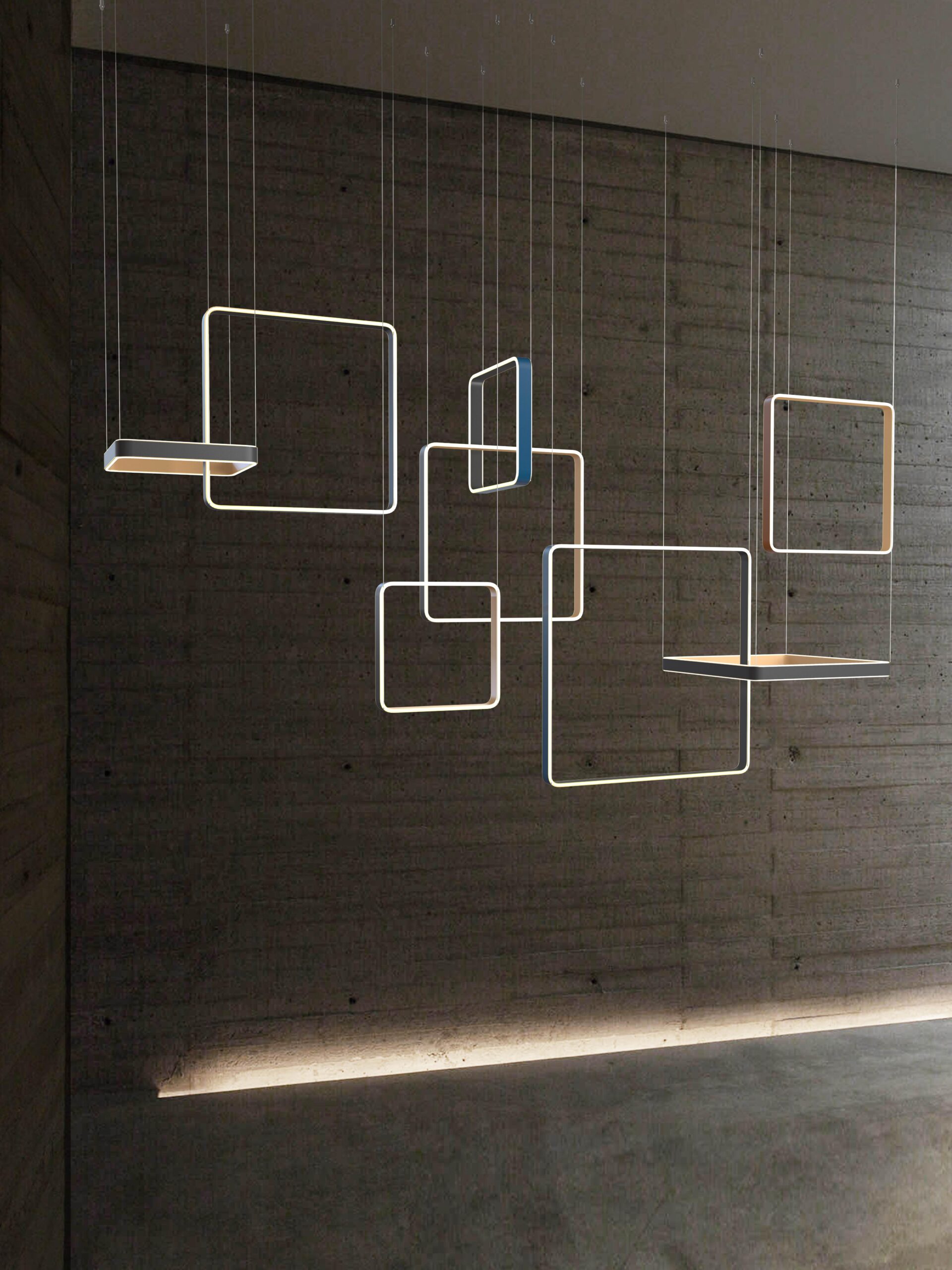
New Principles That Make Custom Light Feel Effortless
What’s Next
The forward path is clear and, honestly, pretty exciting. Tunable white engines let you shift from 2700K to 4000K to track the day, while constant-current drivers keep output stable. BLE mesh or DALI2 scene controllers handle fades that feel like theater, not a toggle. PoE lighting brings low-voltage power and data on one cable, with sensors steering light only where it’s needed. That means fewer hot spots, smoother transitions, and better visual comfort. Pair that with higher CRI modules and tight beam control, and finishes look true. It’s a new stack: better optics, smarter drivers, and clean commissioning. The result is a room that adapts to you, not the other way around.
You can see it in practice: a studio loft swaps generic pendants for a layered plan—downlights with 35° beam angles, a tunable cove, and a focal pendant. Scenes run from “Focus” to “Wind Down,” dimming to 1% without stepping. The same logic applies to statement pieces too; browse a custom chandelier makers gallery crystal chandeliers showcase and you’ll notice precise suspension heights and drivers matched to the array. The takeaway from above: color, control, and thermal design matter more than the catalog photo. Now, if you’re choosing a path forward, keep three metrics in your pocket: 1) CRI and R9 values for material accuracy; 2) low-end dimming performance (true 1% or better, flicker index included); 3) thermal and driver specs that guarantee L70 at real-world temps. Do that, and your space will look right today and five years from now—no drama, just light done well. Learn more with kinglong.
