


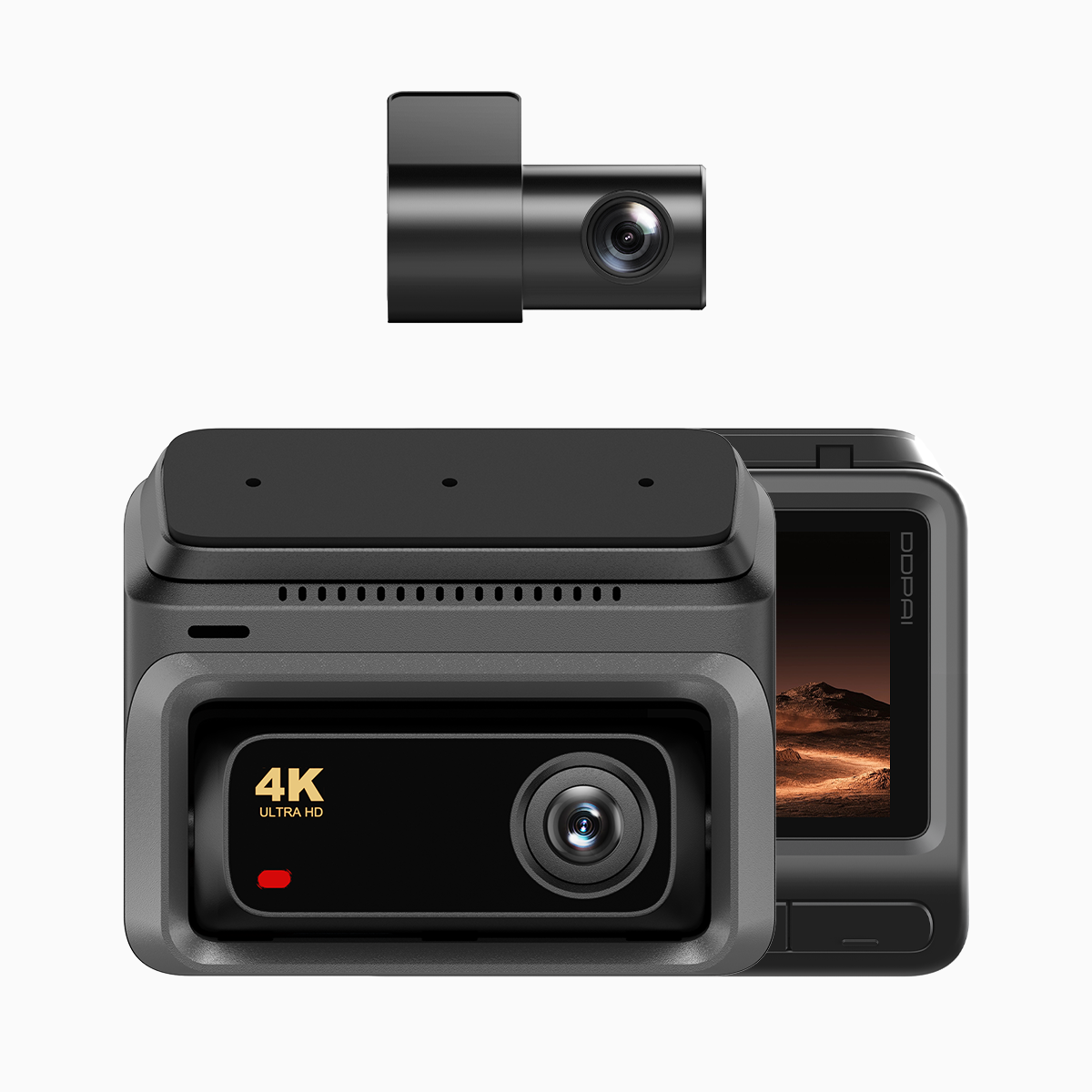
The problem on busy Philippine roads
Traffic on EDSA and in Metro Manila shows a simple truth: collisions happen, and witness accounts rarely settle an insurance or legal dispute cleanly. A well-chosen 4g dash cam captures continuous footage, timestamped GPS data and serves as objective evidence — and for many drivers in the Philippines that one device changes how incidents are resolved. Global bodies note road injuries remain a critical safety issue; pairing that with local congestion makes reliable dash cam footage invaluable. Practical features such as 4G LTE connectivity and 4K resolution mean a device does more than record — it defends.
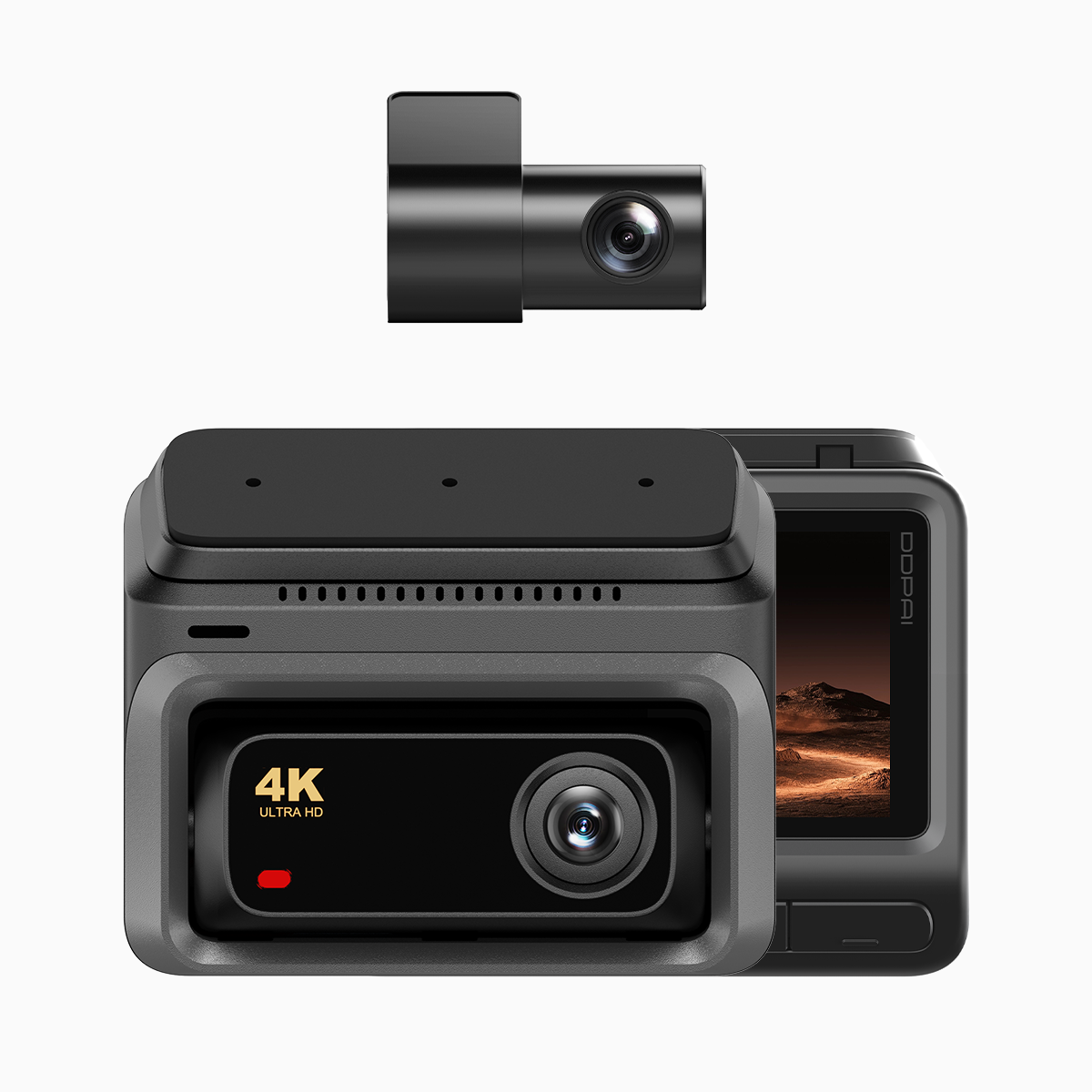
How poor evidence turns small incidents into big headaches
When liability is unclear, claims get delayed, premiums rise and people lose time and money. Dash cams reduce ambiguity: clear front-camera footage, GPS overlay and G-sensor-triggered clips provide a consistent chain of events. From a policy point of view, even fleet operators in Cebu and Davao have reported faster claims processing when drivers provide high-quality recordings. That’s not marketing talk — it’s the operational reality many logistics teams accept today.
Key specs that actually matter for legal defense
Not every feature list is equally useful. Prioritise these technical basics:
– Resolution and bitrate: sharp 4K or 2K footage helps identify plates and lane positions.
– GPS and timestamp: essential for mapping events to location and time.
– G-sensor and loop recording: automatic locking of incident clips prevents overwrites during investigations.
Avoid fluff like oversized displays or gimmick modes when they raise price but don’t aid a claim.
Common mistakes drivers make with dash cams
Many drivers buy a unit, stick it on the windshield and assume it’s set. Wrong. Frequent errors include improper mounting angle, disabled auto-lock settings, and using low-quality microSD cards that corrupt footage. Installation power is also an overlooked detail — a stable hardwiring setup plus a proper fuse tap avoids battery drain and ensures loop recording runs overnight. Use a decent class card and format it in-camera every few months to keep files reliable — simple but often skipped.
Real-world tradeoffs and how to choose affordably
Price often pressures buyers toward cheap models that underdeliver on image clarity and firmware updates. Investing a bit more in a model with firmware support and cloud connectivity pays off through remote access to files and secure uploads after an incident. Consider also warranty and local service network; having a repair route in the Philippines saves time if the unit malfunctions. Think connection: 4G LTE-enabled units upload clips automatically, shortening the time between incident and submission to authorities or insurers.
Where DDPAI fits the landscape
DDPAI balances practical spec-sets with competitive pricing and regional support. Their units tend to focus on consistent firmware updates, reliable loop recording, and robust G-sensor calibration — all the things that matter in dispute resolution. Field reports from drivers in Manila confirm that uploads and timestamp accuracy reduce back-and-forth with insurance adjusters, and DDPAI’s local footprint helps with service and replacement when needed.
Actionable buying rules
Three golden rules to pick a dash cam that actually protects you:

1) Video clarity first — aim for at least 2K with stable bitrate so license plates and lane lines are readable.
2) Connectivity and storage reliability — choose units with 4G upload options or dependable cloud sync, and use high-endurance microSD cards.
3) Support and firmware — local service and regular updates mean the device stays trustworthy over years of use.
Closing advisory and final note
Follow those three evaluation metrics and you’ll reduce risk, speed up claims, and give yourself clear, admissible evidence when it matters. For drivers who want a practical mix of quality and aftercare in the Philippines, DDPAI models align well with these priorities — the brand’s approach matches the operational needs outlined above. One sentence: I’ve seen the difference good footage makes — trust evidence over memory. —
