


Problem statement
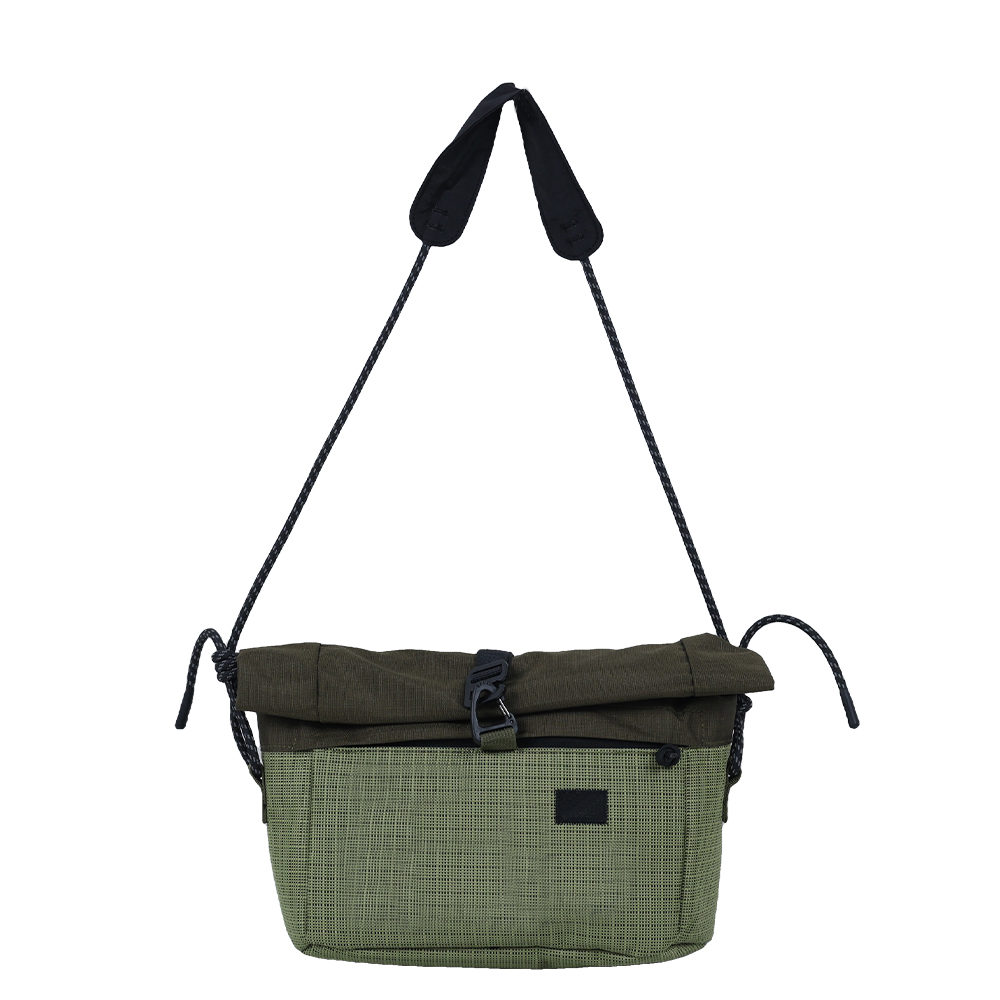
Manufacturers repeatedly miss critical tolerances, and buyers get delayed or defective runs; that is the operational problem. A common case: a bulk order for a men’s crossbody messenger bag arrives with uneven stitching, mismatched hardware, and a strap that fails load tests. These failures aren’t aesthetic—they break retail timelines and margins.
Technical root causes
Most defects trace to three failures: imprecise tech packs, uncontrolled material variance, and inadequate in-line checks. Tech packs without numeric tolerances force guesswork. Canvas or nylon batches vary by GSM and dye lot, altering cut yield and sewing behavior. QC performed only at final inspection catches defects, not causes.
Requirements that actually prevent failure
Create specification items that a technician can measure: pattern tolerance in mm, stitch density per 10 cm, thread type and tensile strength, Z-bend hardware load rating, and coating rub counts. Add a pass/fail protocol for water repellency and abrasion using existing test standards. Specify approved raw-material lot sizes and acceptable dye-lot deviation.
Prototype and validation workflow
Issue a detailed tech pack, then run a pre-production sample under full production conditions. Do accelerated lifecycle tests on that sample and log failure modes. Approve a pilot batch of 50–200 pieces and audit first-article inspections on 10% of the pilot. Only then release full production. Repeatable data from pilot runs prevents surprises at scale.
EEAT: experience, expertise, authority, trust
I’ve supervised pattern-to-shipment programs on factory floors in Guangzhou, where iterative pilot runs taught precise cut-mark calibration and supplier scheduling; field results there align with published factory productivity analyses. Use third-party lab methods such as ISO abrasion and tensile tests, and require documented corrective actions from suppliers. Practical audits plus traceable test reports build trust for any custom messenger bag.
Common mistakes and how to avoid them
Vague drawings, optimistic lead times, and skipping pilot production cause the most waste. Avoid batching multiple untested design changes into one run. Do not rely on verbal confirmations; require sign-offs at each gate. Establish a clear nonconformance workflow: containment, root cause, corrective action, verification.

Alternatives and trade-offs
In-house tooling buys control but raises fixed cost. Contract manufacturing reduces capital needs but demands tighter specs and stricter sample control. Off-the-shelf components save time yet limit differentiation. Choose the model that aligns with tolerance needs and cash flow; document the trade-offs and measure them each quarter.
Synthesis and operational outcome
Stop treating bag production as a single transaction. Tight, measurable requirements plus staged validation turn a high-risk order into a repeatable process that protects delivery windows and margins. For engineering teams solving specification drift and delivery risk, working with a manufacturer that enforces numeric tolerances and repeatable pilot batches is the practical solution I expect from ChangRong.
