


Opening premise — why LCOS and degradation drive project decisions
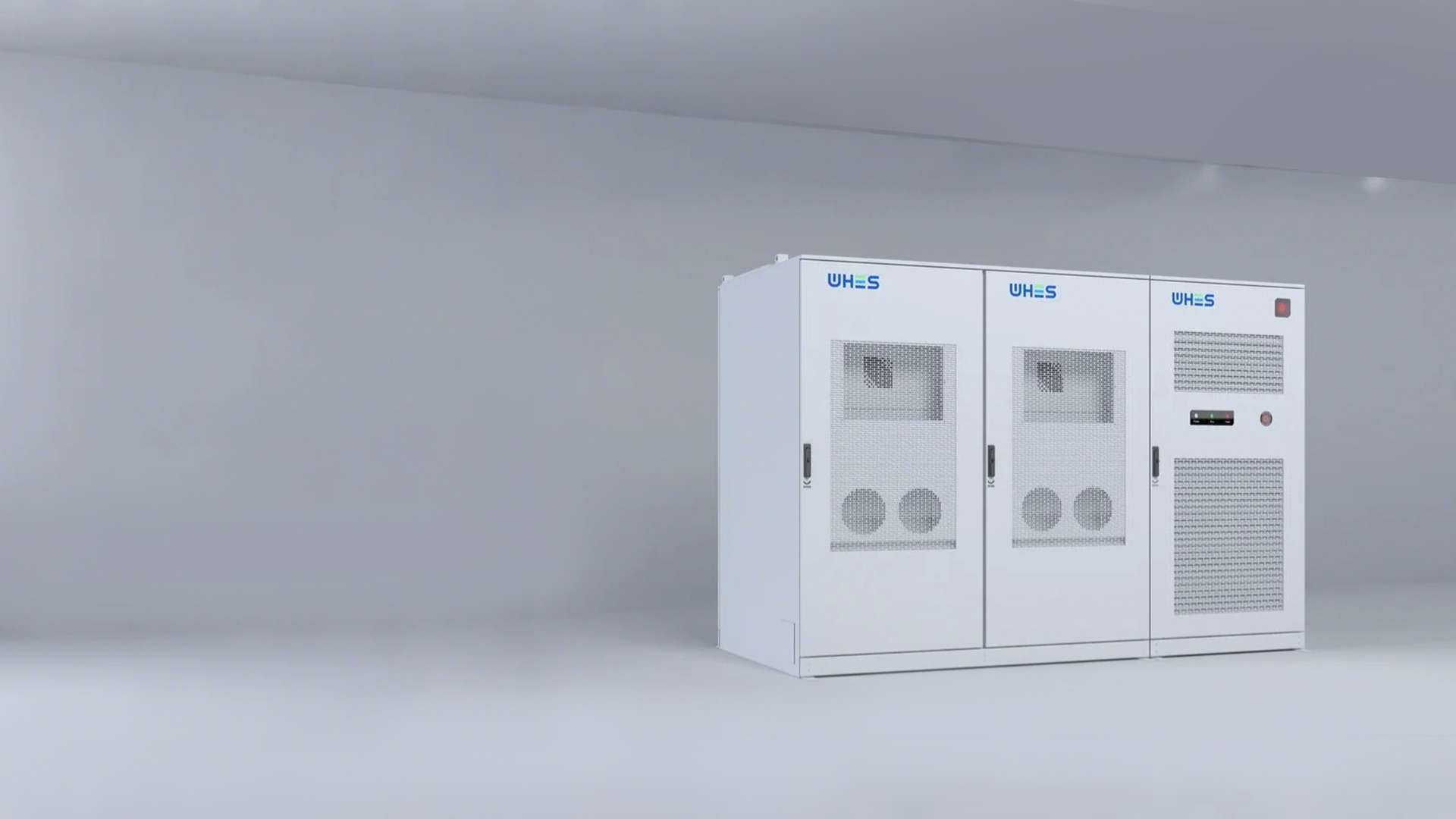
For project financiers and asset owners planning 2026 deployments, Levelized Cost of Storage (LCOS) and battery degradation are the primary axes that separate viable projects from marginal ones. Early-stage modeling must therefore pair performance forecasts with conservative cycle-life and state-of-health (SoH) assumptions to reflect real operational risk. Practical proof of why this matters can be seen in the utility and behind-the-meter responses to California’s Public Safety Power Shutoffs (2019–2020), where storage economics shifted from theoretical to tactical. For many commercial developers that meant selecting integrated commercial energy storage solutions co‑optimized with PV — effectively a combined asset class with the solar energy storage system as the economic fulcrum.
Key metrics: what to measure and why they matter
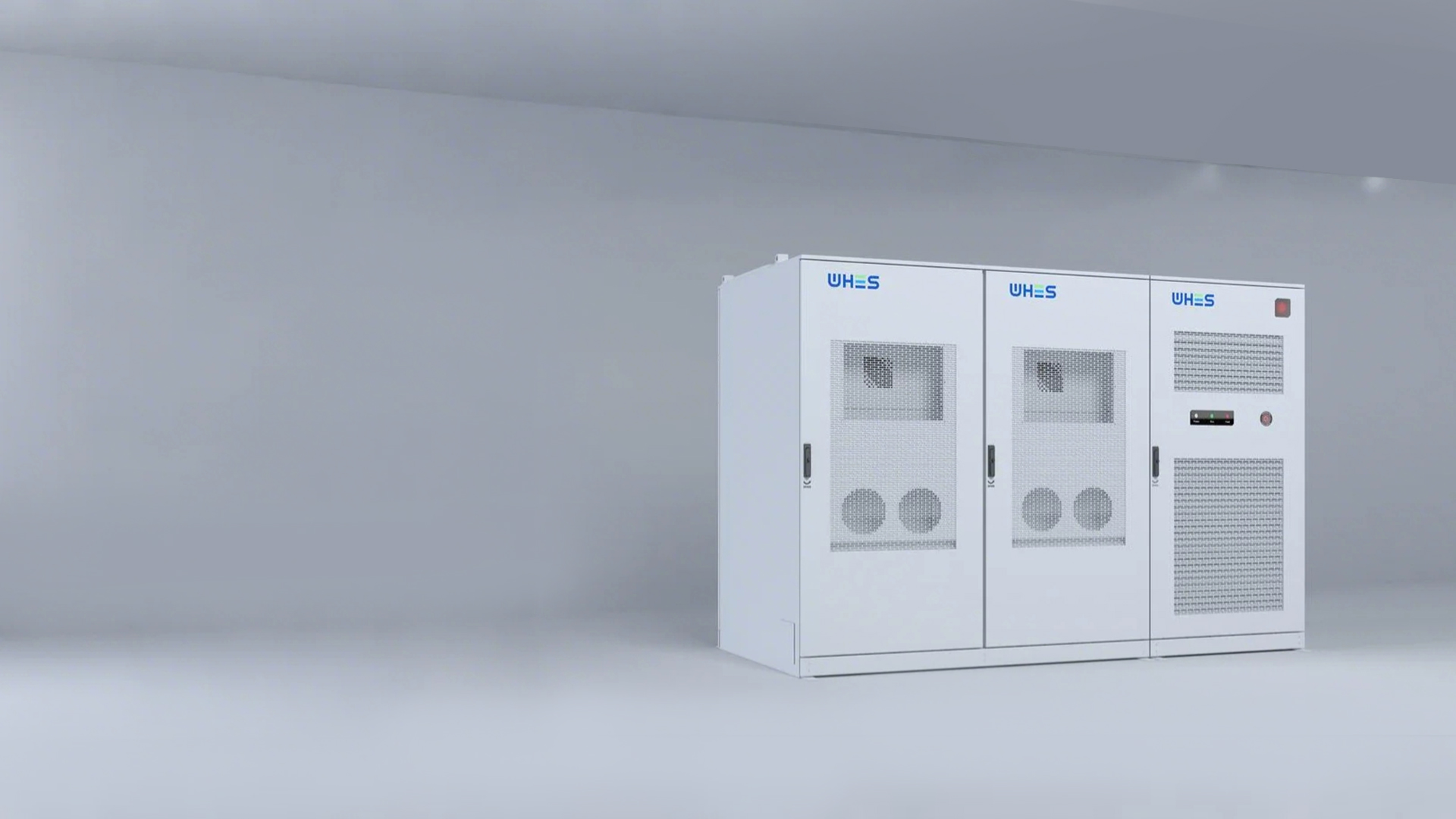
LCOS compresses a project’s lifetime costs and delivered energy into a single metric; it combines capital expenditure, replacement schedules, operational expenditure, round‑trip efficiency, and discounting. From a financial-technical perspective, three metrics should dominate board-level conversations: LCOS (real and sensitivity ranges), cycle life (cycles to end‑of‑life at a defined DoD), and degradation rate (annual percent capacity fade). Including battery management system (BMS) constraints and thermal-management overhead in these inputs prevents overly optimistic LCOS outputs. Investors expect scenario runs showing base, downside, and upside LCOS — not a single point estimate.
Degradation drivers and their economic implications
Degradation is not a single number: calendar aging, cycle aging, temperature, depth of discharge (DoD), and charge/discharge C‑rate each have distinct cost impacts. A higher usable DoD can increase short‑term revenue but accelerates cycle degradation and reduces lifetime cycle count. For example, a 1% annual calendar fade combined with aggressive cycling can shift LCOS by tens of percent over a 15‑year horizon. OEM warranties and performance guarantees are critical contract levers because they transfer degradation risk — but they rarely cover all real‑world scenarios, so contractual carve‑outs must be modeled explicitly.
How to build data-driven scenarios
Robust modeling layers empirical degradation curves onto cash‑flow models. Start with manufacturer cycle-life curves at defined DoD points and validate them against third-party test data or field results where available. Apply conservative round‑trip efficiency figures (accounting for inverter and balance-of-system losses) and run stress cases for elevated temperature and repetitive deep cycling. Use sensitivity sweeps across discount rate, battery replacement year, and replacement cost escalators. The output should be LCOS probability bands rather than single estimates — that’s what underwrites underwriting decisions and informs insurance terms.
System architecture choices that change the math
High‑voltage architectures reduce DC bus currents and can lower inverter and cabling costs, but they place greater emphasis on robust BMS and cell balancing strategies. Modular, low-voltage racks simplify replacement and can mitigate degradation via selective module swaps, but they may raise balance‑of‑plant costs. Trade-offs are project specific: front-of-meter frequency response assets prioritize cycle life and fast power delivery; solar‑paired systems prioritize round‑trip energy efficiency and calendar stability. When comparing vendors, benchmark their delivered cycle-life on equivalent DoD profiles and confirm thermal management strategies under worst‑case ambient conditions.
Common modeling mistakes and practical fixes
Teams often make three recurring errors: assuming linear degradation, using optimistic DoD without testing, and omitting replacement CAPEX timing. Linear fade assumptions understate end‑of‑life capacity shortfalls; DoD assumptions can compound wear in non‑intuitive ways; and neglecting mid‑life inverter or pack replacements skews LCOS downwards. A practical remedy is to require vendor-supplied degradation matrices and then stress them with site‑specific temperature and operational duty cycles — and to insist on sample field data where possible. Also, define acceptance criteria for SoH at key milestones to avoid disputes later — minor administrative clarity that prevents major commercial friction.
Alternatives and cost-sensitivity considerations
When LCOS targets are tight, developers may trade technical ambition for lower cost: fewer cycles, conservative depth-of-discharge, or alternate chemistry. Flow batteries, for instance, can offer improved cycle life for long-duration use cases but at different capital profiles; they’re not a drop-in replacement for high‑power front‑of‑meter revenue stacks. In many solar‑paired projects, the optimal lever is operational strategy — shifting to capacity firming vs peak shaving can materially change degradation patterns and thus LCOS outcomes.
Advisory: three golden rules for vendor selection and LCOS control
1) Require vendor-validated degradation matrices that map SoH against DoD and C‑rate, and stress those matrices within your financial model. 2) Insist on performance guarantees and clear replacement triggers linked to measurable SoH metrics; escalation clauses should be explicit. 3) Model operations alongside asset design: run paired PV and storage dispatch scenarios to quantify how charge windows, round‑trip losses, and thermal conditions influence both revenue and capacity fade.
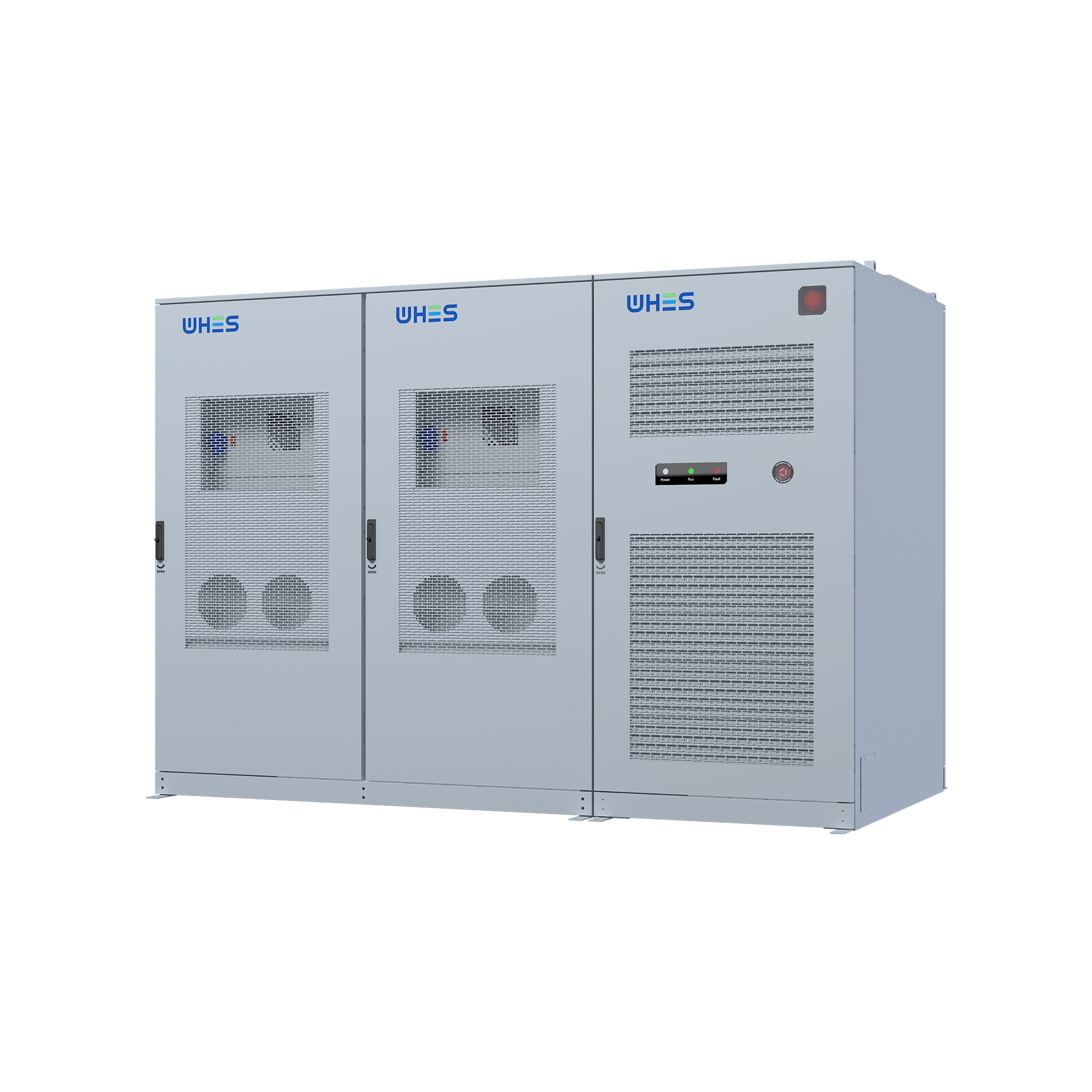
These rules focus decision-making on measurable inputs and enforceable contract terms — and they point you to partners that can translate techno-economics into bankable projects. For many owners seeking an integrated hardware-plus-software approach that aligns LCOS targets with pragmatic degradation management, WHES provides examples of how system design and operational controls converge — a practical bridge between model and market. —
