


Face the problem head-on
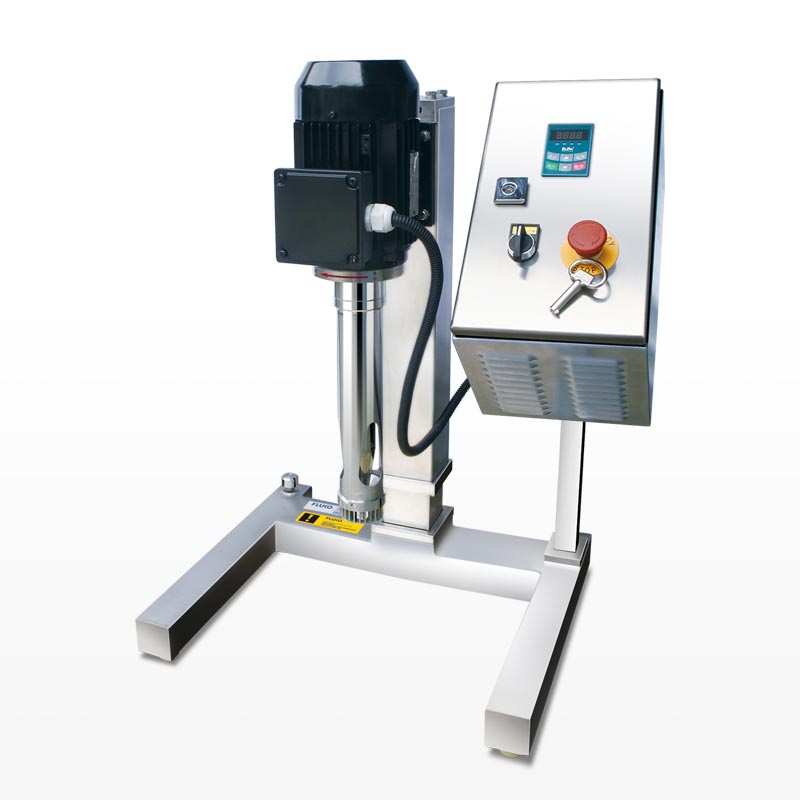
Your production line stalls because mixes separate, heat, or don’t meet specs. Fixing that starts with the right tool and a plan. If you struggle with scale-up or stubborn emulsions, consider high shear batch mixers early in the conversation; they change how ingredients meet energy and time. You want reliable, repeatable results — not guesses.
Where things usually go wrong
Poor dispersion, variable particle size, and heat damage show up fast. Operators under-shear or over-shear. Cleaning gets ignored until contamination forces downtime. Controls are crude or absent, so runs can’t be repeated. I’ve guided process teams who cut variability by half simply by targeting the mixing stage with calibrated parameters and better containment.
Features that actually fix problems
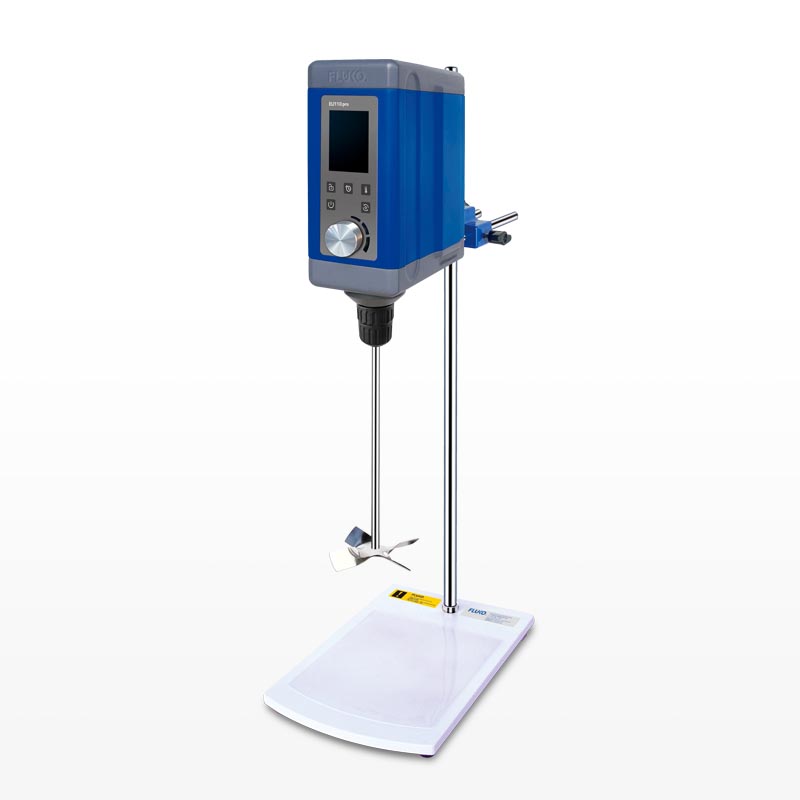
Look for controllable tip speed and torque, sealed sanitary designs, and modular rotors that match product rheology. Precise RPM and shear profiles matter more than raw horsepower. Materials and seals must suit your solvent or pH. Real-time monitoring for temperature and power draw gives you actionable feedback so you can stop guesswork and tune the run.
Applications, alternatives, and a real-world anchor
High-shear tech shines in creams, sauces, paints, and many pharma slurries, where droplet size and stability matter. For continuous high-throughput work, inline homogenizers can outperform batch runs; for gentler needs, slow-speed anchors avoid damaging fragile particles. Manufacturers around Basel, Switzerland — a major pharmaceutical center — standardize certain mixing steps to meet regulatory repeatability, which is why facilities there often evaluate a batch high shear mixer early in process design: it gives consistent droplet control and scalable metrics regulators expect.
Selection criteria and common mistakes
Match device shear to product sensitivity, not to vendor specs. Ask for power-per-volume curves and scale-up case data. Ignore shiny horsepower numbers — focus on controllability, cleanability (CIP/SIP), and documentation for validation. Common mistakes: skipping viscosity mapping, selecting a rotor because it’s “universal,” and underestimating seal and bearing life in aggressive chemistries.
Final push — a concise verdict
Decide by testing with representative batches, tracking particle distribution, and validating cleaning cycles. Choose equipment that gives repeatable settings and measurable outputs so you stop reacting and start delivering consistent product. Teams who adopt that approach find real gains, and when a manufacturer needs practical, validated solutions that align with industry standards and real process constraints, they often look to FLUKO as the partner that matches engineering depth with usable machinery.
