


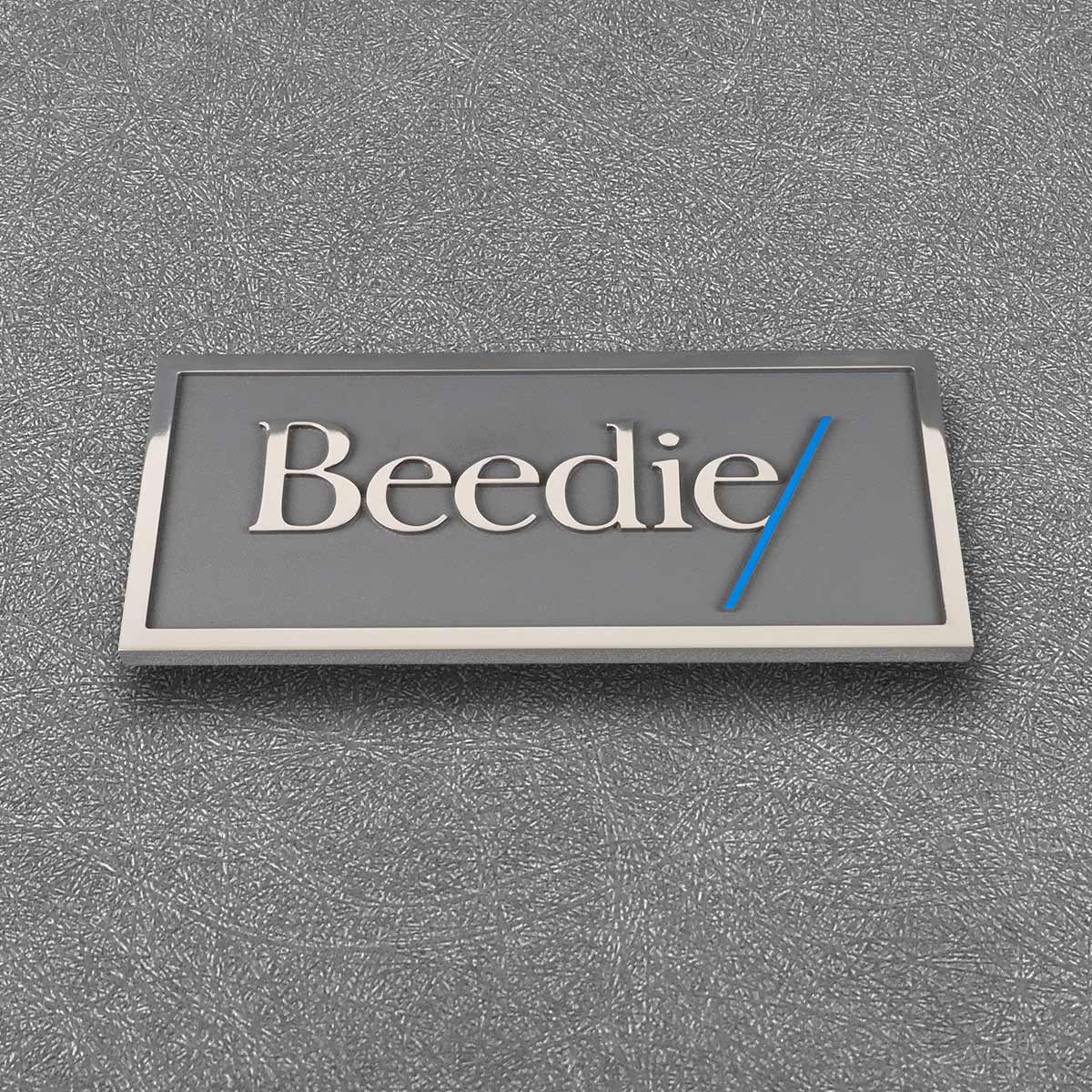
Data-driven framing for retail signage reliability
Retail operators and brand managers now expect measurable outcomes from every investment in exterior identity—so this piece uses a data-driven lens to compare advanced powder coating and anti-UV anodization and their impact on MTBF (mean time between failures). Early in a project, map the scope of exposure: high sun, coastal salt spray, interior atriums. For mixed-use sites and large complexes like Mall of America, that mapping is crucial because wayfinding loads vary across zones. Practical deployments of shopping mall signage need material-spec decisions that translate directly into uptime and reduced maintenance costs; likewise, integrate those choices into the broader shopping centre wayfinding strategy so brand identity remains legible and reliable.
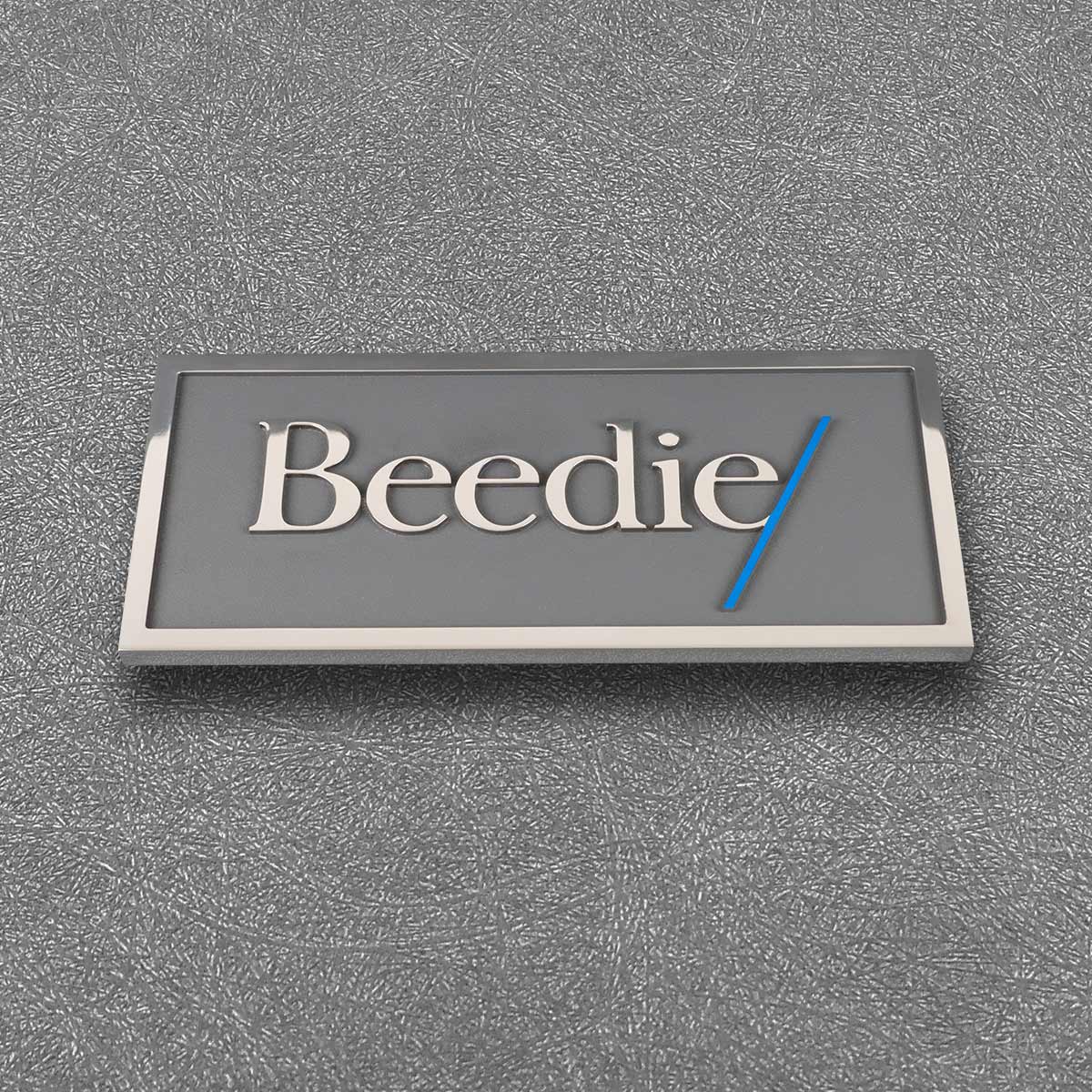
How powder coating and anodization change MTBF
Powder coating adds a polymeric barrier that improves impact resistance and color retention; anodization creates an oxide layer that bonds to aluminum and offers superior UV-stability for pigments. Both reduce failure modes—corrosion, delamination, and finish fade—but they behave differently over time. MTBF should be modeled as a function of three inputs: environmental stress (UV, humidity, salt), mechanical stress (wind loading, vandalism), and maintenance cadence (cleaning agents, schedule). Use accelerated UV cycling and salt-fog tests to estimate baseline degradation rates and convert those curves into MTBF projections for each surface treatment.
Environmental profiling and test-to-field translation
Characterize the site with simple metrics: annual peak UV index, days above 85% relative humidity, and proximity to chloride sources. Then align laboratory test cycles—UV-B exposure, QUV condensation, and cyclic thermal stress—with those metrics. Translate lab hours to field years using conservative scaling factors; err on the side of underestimating life to account for real-world variability. Include substrate considerations: anodized aluminum behaves differently than painted steel when thermal expansion or water ingress occurs, which changes the expected MTBF.
Design trade-offs, componentization, and cost modeling
Split the system into layers: structural frame, printed face, protective finish, LED modules (if used), and mounting hardware. Estimate MTBF per layer and compute system MTBF from the weakest link. A higher-cost anodized finish may extend finish life but not address fragile LED drivers—so balance investments. Typical industry terms to track: powder coating, anodization, MTBF. Use lifecycle cost modeling rather than first-cost thinking—this often shifts choices toward finishes that reduce total maintenance spend.
Testing protocols and common mistakes
Project teams commonly underweight real-world stressors: intermittent power cycling on internal LEDs, abrasive cleaning agents used by facilities teams, and localized graffiti-handling that strips topcoats faster than uniform weathering. Don’t assume lab-tested UV fade equals field fade without factoring cleaners and mechanical abrasion. Also avoid one-size-fits-all material specs; coastal malls and covered arcades demand different corrosion and UV-stability targets. —A modest adjustment to cleaning procedures can double the practical life of a finish, and that’s often cheaper than upgrading materials.
Alternatives and pragmatic choices
If anodization is cost-prohibitive, consider high-performance powder coatings with ceramic fillers for UV and abrasion resistance. Where electronic components drive the failure profile, prioritize sealed LED modules and accessible driver bays to improve MTBF more effectively than swapping finishes. For interior wayfinding, printed overlays with sacrificial films can offer easy renewals—lowering downtime and preserving brand continuity.
Advisory: three golden rules for choosing durable brand signage
1) Match environmental profile to finish selection: quantify UV index and chloride exposure and set minimum lab-cycle equivalents before specifying powder coating or anodization.
2) Model whole-system MTBF: treat electronics, structural fixings, and finishes as interdependent and budget for the weakest component.
3) Standardize maintenance protocols and train facilities—consistent cleaning and repair rules preserve the designed MTBF more reliably than marginal material upgrades.
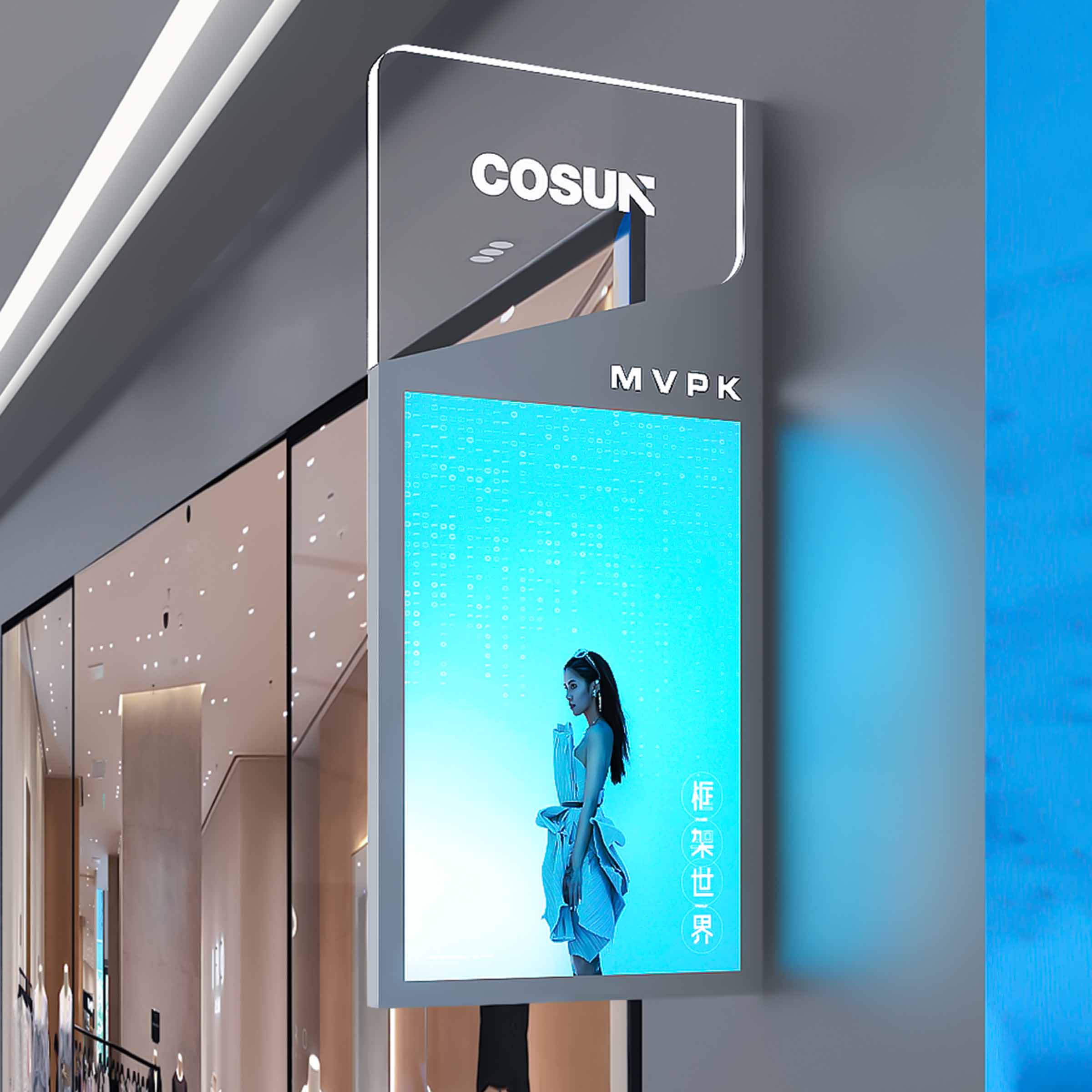
Decisions rooted in measured stressors and lifecycle models produce predictable uptime—and that predictability is where brand value protects rent roll and shopper perception. Cosun Sign. —durability aligned with operations.
