


The core problem buyers face
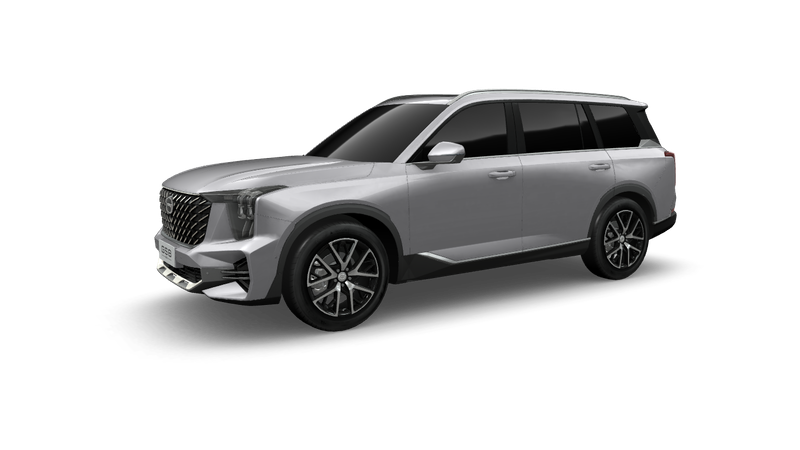
You’re trying to buy a GAC in Australia and the info is scattered: price quotes vary, stock is thin, spec names confuse you, and test drives feel rushed. I’ve seen the same questions come up every week, so start by checking the manufacturer’s listing at GAC online to match model names and official specs with what dealers are offering. I first noticed several GAC models at the Sydney International Motor Show and then started seeing similar questions from workshop owners and buyers — that’s why this note cuts straight to the decisions that matter.
Price — what really changes the number
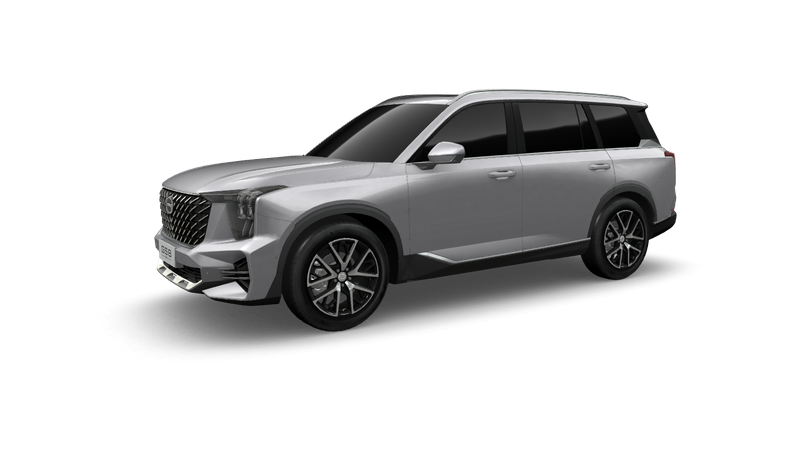
Price isn’t just the sticker. Expect variation from: model choice; local dealer import fees or quick-ship premiums; chosen options or packages; and whether a car is stock versus a pre-order. Don’t guess — ask for a written breakdown: base price, options, on-road costs, statutory charges, and any dealer-added items. If a quote looks dramatically lower than the manufacturer’s listed trim, check warranty terms and local compliance fitment before you jump.
Availability — how to check and what to expect
Availability is simple to verify if you follow the trail: confirm model name and VIN on the manufacturer site, then ask local dealers for exact VINs or build slots. Some models will be in dealer stock, others in allocated shipments. If stock is limited, expect lead times and consider reserving a build slot — but get written timing and a cancellation policy. Don’t assume any model is “always” available.
Configuration — pick practical options, not flashy ones
Focus on safety and serviceable features: choose a configuration with the safety pack you need, practical seating and cargo layout, and trim options that match local conditions (e.g., stronger air-con, tow prep if you tow). Avoid cosmetic extras that add little resale value. Check that software menus and driver aids are in English and that the owner’s manual and service schedule are provided for Australia.
Test drives — inspect like a field worker
On a test drive, do these checks: listen for unusual drivetrain noises at low and mid revs; confirm brakes bite cleanly and don’t fade on repeated stops; test HVAC under load; run through infotainment and backup camera functions; check gap and finish quality around doors and panels. Walk the car and inspect seals, underbody protection, and obvious corrosion sites. If you can, bring a trusted mechanic or ask for an independent pre-delivery inspection.
Warranty, servicing, and support — the trust factors
Get warranty terms in writing and understand service intervals and who does warranty work locally. A cheap initial price is meaningless if you struggle to find a trained service bay. Confirm if software updates, recall handling, and parts are handled through a dealer network or routed via importers. Ask how long common replacement parts take to arrive — long lead times cost you time and money.
Common pitfalls buyers make
Most problems come from skipped checks: buying sight unseen, assuming local fitment matches US/European specs, ignoring dealer-added accessories that void cosmetics or claims, and not verifying the final on-road cost. Also watch for miscommunication on trim names — a “Sport” badge might mean different content depending on market and model year.
Short comparison — where GAC often sits against rivals
Compare on three fronts: price vs. features, local support vs. established networks, and long-term running costs. GAC tends to compete on value and features at launch. If you value a dense dealer network and tried-and-tested resale, also check mainstream Japanese and Korean rivals. If you prioritize tech and initial equipment per dollar, a GAC model can make sense — just be clear about aftersales coverage.

Final practical take
If your problem is uncertainty, solve it with paperwork and inspection: match the manufacturer listing to the vehicle, get VINs and build timelines, insist on a written warranty and service plan, and run a mechanical checklist on a test drive. Those steps remove surprises and put the real decision on whether the car meets your daily needs and risk tolerance. For direct confirmation of specs and model names, visit GAC and use that baseline to hold dealers accountable — that’s the straight path to a sensible buy.
