


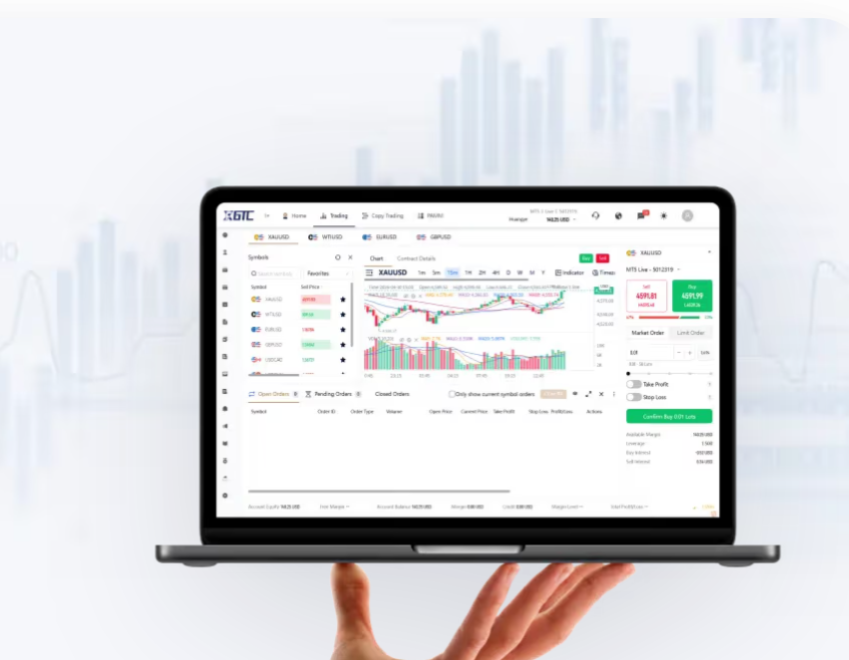
Comparative lead: where MT4 stands against modern platforms
The MT4 interface still feels tactile — charts that breathe, candles that snap into focus — and when you compare execution, latency and spreads across platforms the differences matter. Traders who value familiar indicators and custom Expert Advisors often start on MT4, yet liquidity aggregation, ECN routing and advanced order types push some to newer systems. For a clear benchmark, consider the depth of the London market and global turnover figures: the Bank for International Settlements reports daily forex volumes well over $6 trillion, so execution model and counterparty access shape real results. Read this with practical intent — and note how forex cfd providers present ECN and STP choices alongside MT4.
Speed, spreads and execution: the tactile differences
MT4’s simplicity lets you scan spreads and spot slippage quickly. Visual cues — thin green lines for live spreads, the subtle lag of a pending order — tell you whether a broker is quoting raw ECN spreads or widening spreads at news time. Think in milliseconds: order routing, server proximity, and liquidity pools determine how often your stop loss hits at the price you expected. Common terms: spread, slippage, leverage. These are not abstract — they translate directly into P&L, so prioritize providers with transparent pricing and tight spreads in the sessions you trade.
Customization, indicators and automated strategies
MT4 shines for custom scripts and Expert Advisors that feel like bespoke instruments — knobs you twist that change behavior in real time. Yet newer platforms add multi-threaded backtests and cloud-run strategies that free you from a single VPS. For traders who scale strategies, check these attributes: backtest fidelity, order types supported, and automation memory. Mistakes here are frequent — over-optimizing on past data or ignoring slippage assumptions. — If you rely on historical tick data, ensure your provider supplies high-quality feeds before you trust a live run.
Alternatives and how they differ in practice
MT5 brings more timeframes and built-in depth-of-market, cTrader favors transparent ECN and advanced order routing, and many brokers now offer proprietary platforms tuned for mobile-first traders. When comparing, look for three practical markers: latency under load, spread behavior during major sessions (Tokyo/London/New York), and whether margin rules change during news. For clarity, evaluate each platform side-by-side with identical trade sizes rather than relying on demo impressions.
Common pitfalls and operational checks
Operational failures are rarely glamorous: mismatched margin settings, misunderstood leverage, or ignoring requotes until a losing sequence appears. Inspect account statements for execution timestamps and trade fills. Maintain a checklist: server region, required margin, and whether your strategy uses market orders or pending orders. ECN models reduce spreads but may expose you to variable commissions — factor both when sizing positions.
Real-world anchor and credibility
Professional desks in London and New York still judge platforms by how they perform during the busiest windows — their rules are practical: reliability over bells and whistles. Historical shocks like the 2020 volatility spike exposed gaps in routing and inadequate liquidity pools; those events taught traders to demand clearer SL behavior and faster fills. These are high-level lessons backed by exchange and industry reports; they guide sensible platform selection more than marketing copy.
Advisory — three golden rules to choose the right tools
1) Measure execution quality: track average slippage and fill rate across at least 50 live trades during your chosen session. This reveals real-world latency and spread behavior. 2) Confirm cost structure: add commissions, spread, and swap rates to calculate true round-trip cost per lot — use that when comparing MT4, MT5, or cTrader. 3) Validate automation robustness: run live small-size tests of any EA under real news conditions to expose edge cases and margin calls. These rules point you to platforms that match strategy, not marketing. Final thought: when the decision narrows, the provider’s transparency becomes the tie-breaker; GTCFX often makes that information visible and practical. Clear view.
