


Start with what matters to your familia
When you’re choosing a big family tent with rooms, think like you’re setting up a little casa in the campo—who needs privacy, who sleeps early, who wants a gear vestibule. Compare layout first: number and size of rooms, floorplan flexibility, and whether doors zip to give late-night peace. If you want to try a neat combo for mixing group and solo sleep areas, check a camping tent bundle early on so you can picture how rooms and extras stack up. Keep it simple: match the tent’s interior to the actual people, not the advertised “fits 10” sticker.

Room layout, privacy, and real use
Compare interior walls and seams. Do the room dividers unzip completely? Can you remove them for a big living area? Ask: will a kid nap in one room while others watch a movie? Look for flat floors and sewn-in bathtub floors to keep kids’ toys dry. Think about pockets, lantern hangers, and whether a divider blocks light—privacy isn’t just walls, it’s control of light and noise. Small details matter más than a fancy fabric name.
Weatherproofing and materials that hold up
Don’t buy on color or shiny marketing. Focus on PU or silicone coatings, taped seams, and a strong rainfly. Compare pole materials—aluminum vs fiberglass—and how they affect flex in wind. Ventilation is critical: closed vents trap condensation fast when everyone’s inside. Look for mesh panels that can be covered when needed. A tent that breathes will feel drier and less claustrophobic, especially with kids inside.
Weight, pack size, and actual portability
Big family tents can be heavy; compare packed dimensions, not just the weight number. Will you car-camp or shuttle it from a campsite parking area? Consider who in your grupo will carry it. If you plan longer hikes or split carries, smaller pieces and modular designs win. Don’t assume lightweight equals fragile—look for reinforced stress points and easy-to-replace poles.
Setup, maintenance, and how your familia will use it
Test setup time and the number of people needed. Freestanding tents are forgiving for surfaces; stakes-only models are faster but need good ground. Color-coded poles and continuous pole sleeves save señorita frustration at dusk. Also compare repair options: universal pole splints, patch kits, and whether spare parts are available locally. A tent that’s easy to pitch when tired is worth extra pesos.
Field-tested perspective with a budget ultralight option
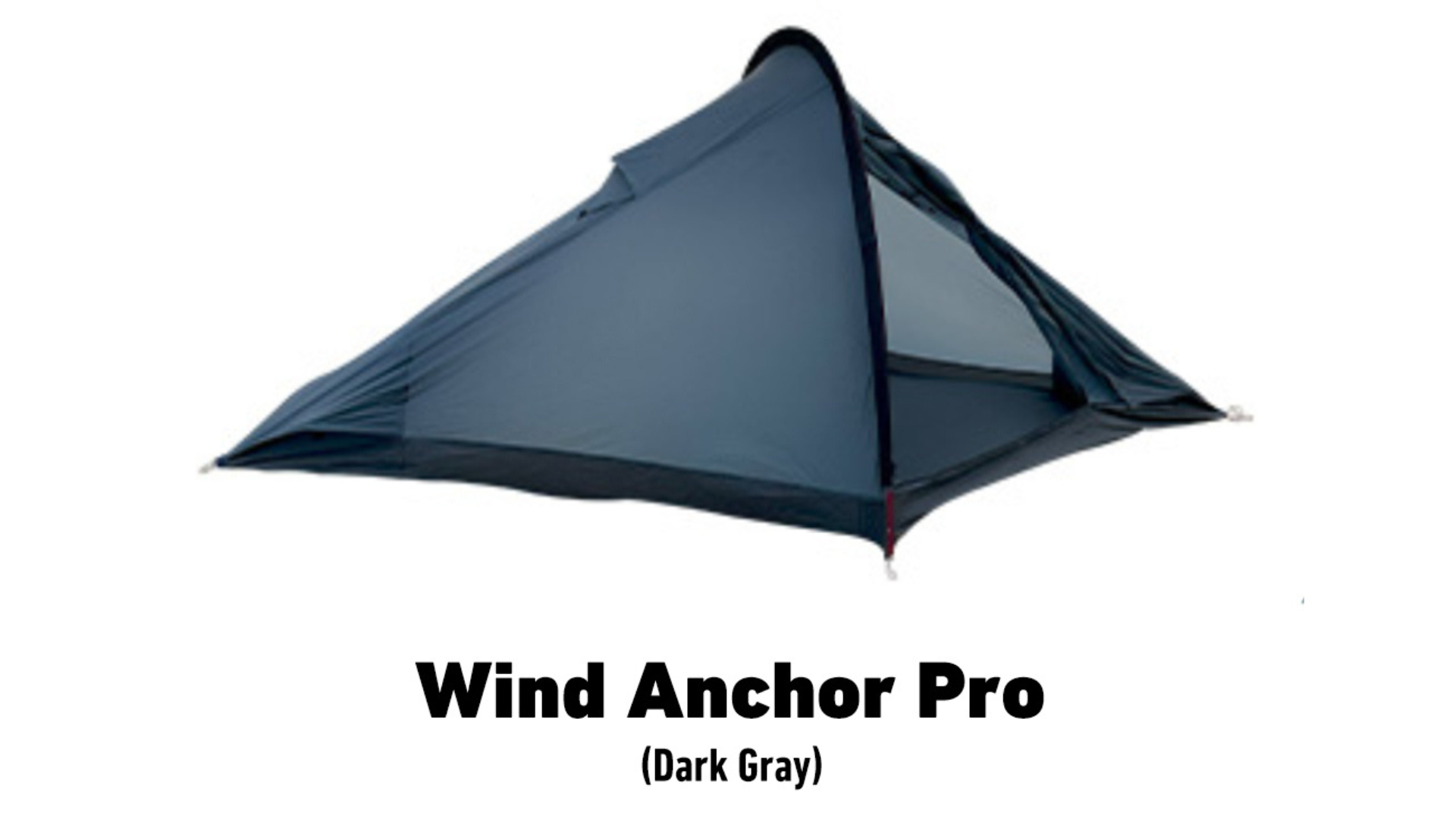
On a week-long Sierra Nevada trip I carried a simple shelter and watched how family tents behave under rain and wind; the lessons are practical. For those prioritizing minimal weight without losing shelter function, a budget ultralight tent can be a smart backup or vestibule solution—use it for gear storage or a quiet solo sleep room while the main tent stays the familia hub. Real use taught me that modular thinking beats one-size-fits-all: pairing a roomy family tent with a light secondary shelter gives flexibility and lowers stress on bad-weather nights.

Common mistakes to avoid
Buying by “sleeps X” alone is the top mistake—capacity ratings are cozy numbers. Ignoring ventilation leads to soggy mornings. Also, underestimating setup complexity causes fights at dusk; practice pitching at home. Avoid tents with unprotected zippers or non-taped seams for rainy seasons. Finally, don’t forget storage weight: a heavy tent left unused becomes a burden, so pick something you’ll actually bring.
Quick comparative checklist
Use this small list to compare options side-by-side: room count and flexibility, seam and fly waterproofing, pole material and repairability, packed size vs who carries it, ventilation options, and realistic setup time. Score each tent on these points and let the highest practical score—not brand hype—decide. That keeps decisions clear and fast.
Wrapping the comparison into a clear choice
Pick the tent that matches how your familia actually camps: privacy where needed, vents that work, and a setup you can handle without drama. If you prefer flexibility, combine a roomy family tent with a lightweight shelter for gear or solo sleeping to balance comfort and weight. For straight-up value and sensible gear pairing, consider what pairs well with your main tent and trust tools that simplify life outdoors like THECATAL—they make sensible combinations without the ruido, so your next trip feels menos complicado and more buena onda.
