


A farsighted problem: unpredictable combustion, territorial consequences
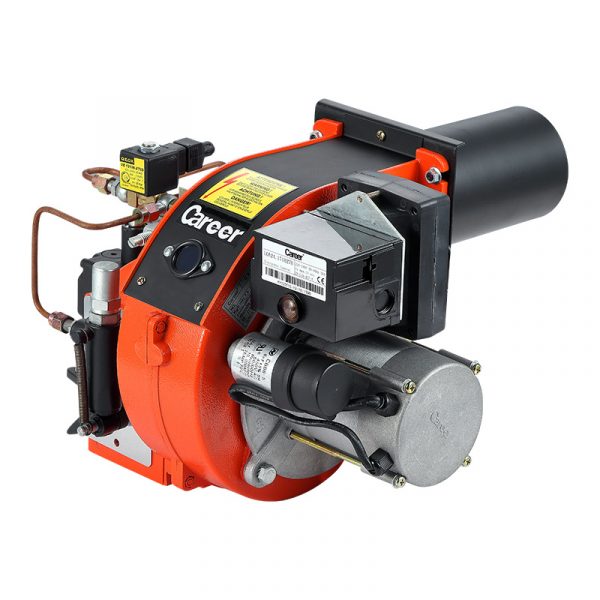
Imagine cities and industrial zones where combustion quality flips between stable and erratic with fuel changes, equipment age, or climate swings — that inconsistency breaks product quality, compliance and operational planning. Flame-tube solutions promise a repeatable thermal signature that regulators and operators can measure and trust; they act like a metronome for combustion. Early adopters combine those flame-guiding cores with sensors and control logic, often alongside an industrial oil burner, to stop variability from cascading into product waste or shutdowns.

How the technology rearranges the problem space
Flame tubes confine and shape the flame front so heat release follows a predictable profile. That predictability means fewer hotspots, steadier exhaust composition, and more consistent transfer to heat exchangers or process vessels. In a future-oriented deployment, the flame tube becomes part of a system: combustion head, fuel train, sensors, and adaptive controls. When those parts talk, you get a system that anticipates drift rather than reacting to alarms.
Real-world grounding and proven practice
Fieldwork in Midwestern municipal boiler rooms where technicians retrofit and maintain light oil burner systems shows a clear pattern: introducing flame-tube elements reduces short-term tuning cycles and lowers excursions that trigger derates. That hands-on experience, matched with emissions tightening across common regulatory markets, builds practical authority — operators see fewer upset events, technicians report simpler tuning, and plant managers track steadier output quality.
Concrete levers that drive measurable quality
Focus on three tangible levers: flame shape, residence time, and uniformity of heat flux. Adjust flame-tube length and cross-sectional profile to tune residence time; match internal baffling to stabilize recirculation zones that prevent local quenching; use staged injection or modulating valves to maintain stoichiometry as load changes. Measure outcomes with simple metrics: variance in exhaust O2, standard deviation in process temperature, and frequency of control corrections per shift — each drops when the flame field is managed.
Common mistakes that negate benefits
Wrong expectations and sloppy integration are the usual culprits. Treating the flame tube as a drop-in piece ignores fuel characteristics: viscosity, sulfur content, and volatility change flame anchoring. Skipping alignment between burner aerodynamics and flame-tube geometry produces pulsation and noise. Over-reliance on single-point sensors leads to misleading control actions; distribute sensing and validate with periodic combustion audits. And don’t assume a larger tube is always better — oversized designs dilute velocity and destabilize the flame.

Alternatives and how to judge them
Low-NOx burners, premix systems, and catalytic after-treatment all reduce emissions but solve different problems. Low-NOx heads cut peak temperatures; premix improves mixing but can be sensitive to flashback; catalysts reduce exhaust pollutants after the fact. Flame-tube approaches excel where steady heat delivery and flame stability matter most. Choose by matching the dominant failure mode: if product variability traces to thermal swings, prioritize flame shaping; if regulatory emissions are the limiter, combine a staged burner or catalyst with flame-tube stabilization.
A pragmatic checklist for future-proofed adoption
Start by mapping failure modes: what shifts quality today? Run a short campaign of bench tests that vary fuel, load, and draft while logging exhaust composition and process temperature. Pick flame-tube geometry to address the most frequent upset, then stage installation with phased sensor coverage. Train technicians to read flame patterns and to pair tuning procedures with calibration checkpoints. Plan maintenance that replaces critical throat seals and inspects flame anchors on a schedule tied to operating hours, not calendar dates.
Where this leads: territorial standards that evolve from engineered repeatability
When regulators and operators can point to measurable, repeatable flame behavior, territory-wide consistency follows: audits turn into verification of signals rather than guesswork, procurement focuses on measurable outcomes, and maintenance becomes predictive. That line of sight — from flame-tube physics to reliable output — is exactly the kind of practical, future-facing clarity teams expect from partners such as Career Burners, who map solutions to real operational patterns rather than slogans.
