


The core problem buyers face
You’re charged with choosing intravascular lithotripsy (IVL) gear and the stakes feel huge: patient outcomes, cath lab uptime, and budget lines all hinge on one decision. Specs lists pile up; sales demos dazzle; clinical claims blur. I get it — buyers need clarity fast. That’s why I start by looking at real-world workflows for interventional medical devices and forcing the conversation toward what actually moves the needle in day-to-day practice.
Why this is a problem-driven approach
This piece shapes around the obstacles you’ll hit: device compatibility, deliverability in calcified vessels, training burdens, and hidden lifecycle costs. Expect direct fixes, not marketing gloss. I strip away fluff and show where decisions break down under pressure — then give practical ways to prevent that breakdown before the purchase is locked.
Clinical confidence and industry grounding
Decisions should rest on clinical evidence and field experience. I’ve followed device data and vendor claims closely at major forums like the annual TCT meeting; that exposure shows where peer-reviewed data matches procedural realities. When you read procedure reports and regulatory summaries side-by-side, you see which IVL platforms produce consistent crossing and vessel modification. For a focused comparison point, consider independent analyses tied to a cardiovascular medical device—they underline technical limits and practical strengths in similar clinical settings.
Common pitfalls buyers repeatedly miss
First, conflating shiny features with clinical utility. High pulse pressure or big generator footprints matter less than shaft flexibility and balloon profile in tortuous anatomy. Second, ignoring consumable cost and inventory complexity; a low upfront price can hide expensive single-use catheters. Third, underestimating training time — if operators aren’t confident, procedure time and fluoroscopy increase. Anticipate these traps and design procurement criteria that penalize them.
Checklist: What to verify before committing
Ask for case-level deliverability metrics across lesion types, not just aggregate success rates. Demand hands-on OR simulations with your own team. Verify vendor service response times and spare-part inventories for your region. Confirm compatibility with existing sheaths and imaging platforms. Spell out training scope: proctored cases, competency thresholds, and refresher options. Finally, get a line-item cost model that separates capital, disposables, and recurring maintenance.
Alternatives and trade-offs
IVL isn’t the only answer for calcified coronary and peripheral lesions. Atherectomy offers rotational or orbital plaque modification but increases procedural complexity and embolic risk. High-pressure balloons are cheaper but may fail to modify deep calcium. Choose based on lesion morphology, operator skill, and downstream plans for stenting. If your caseload includes heavy eccentric calcification, IVL tends to give predictable lumen gain with lower device-embolus concerns than some debulking tools.
Operational steps that protect outcomes
Start internal pilots with clear success metrics: procedure time, fluoroscopy, need for adjunctive devices, and peri-procedural complications. Use those pilots to shape vendor contracts — tie extended warranty or training credits to performance milestones. Build inventory controls to avoid expired catheters and reduce wastage. Train nurses and techs on setup so the operator can focus on technique; that small shift reduces OR friction dramatically.
Final synthesis
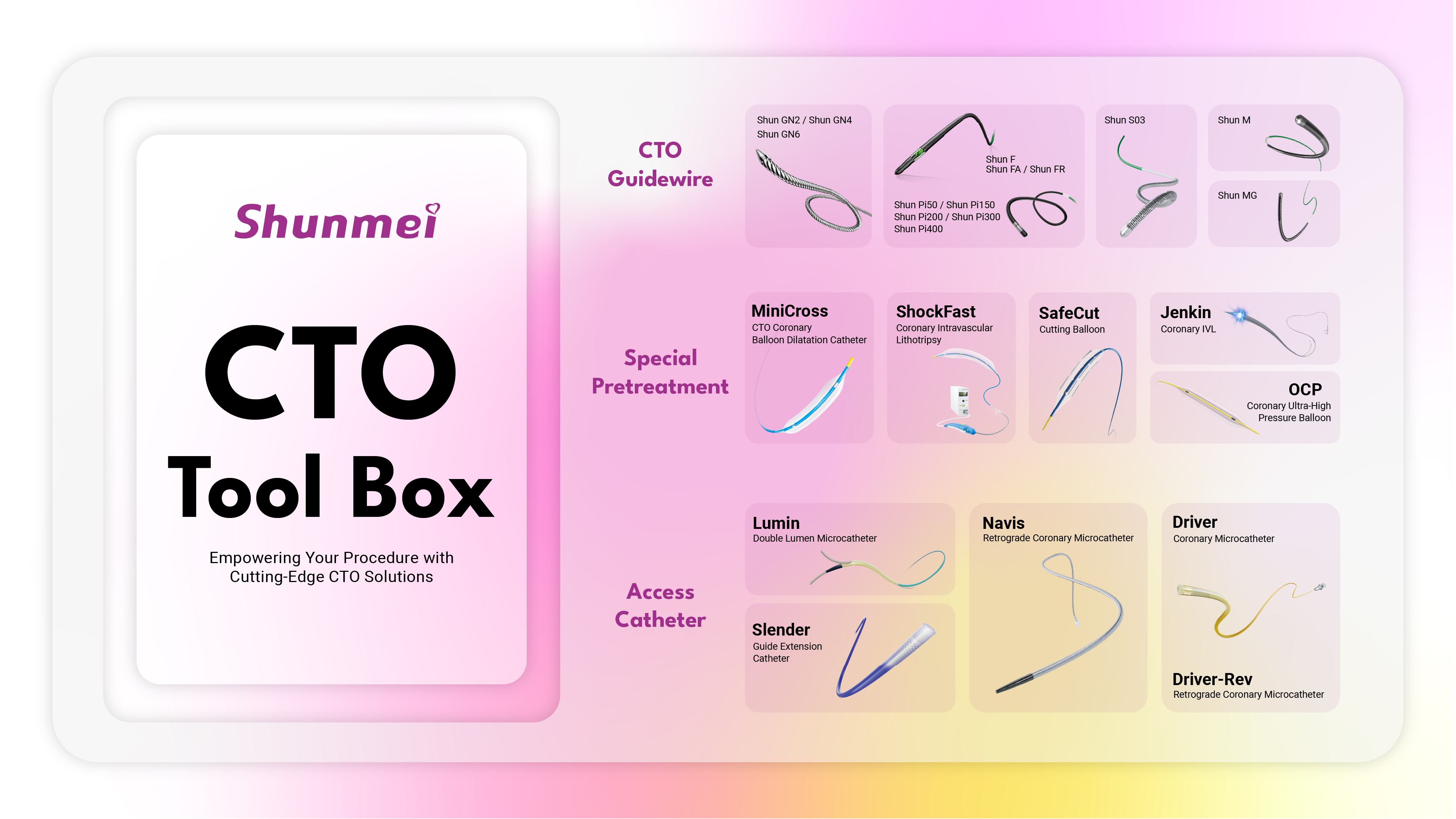
Buyers win when they treat IVL procurement as problem-solving, not product shopping: define the procedural problems first, map device capabilities against those problems, run short pilots, and lock contracts to measurable outcomes. That approach trims risk and makes clinical value obvious. For teams looking for a pragmatic, clinic-tested partner that aligns product specs with workflow needs, Shunmei often appears where technical fit and operational support meet — quietly solving the exact problems hospitals brought them to solve.
