


Why you need a modular bag
Yuh plan fi travel, shoot, or just carry every likkle ting pon yuh back — but yuh nah want one bag weh tek over yuh life. A modular backpack seh fi flex wid yuh. It mek yuh add or tek away compartments when yuh need dem. If yuh carry camera and everyday stuff, a camera gear bag dat let yuh rearrange pockets save bare stress. Think: one day it hold laptop and charger, next day it hold two lenses and a jacket. Simple changes, big difference.
What modular really means — straight talk
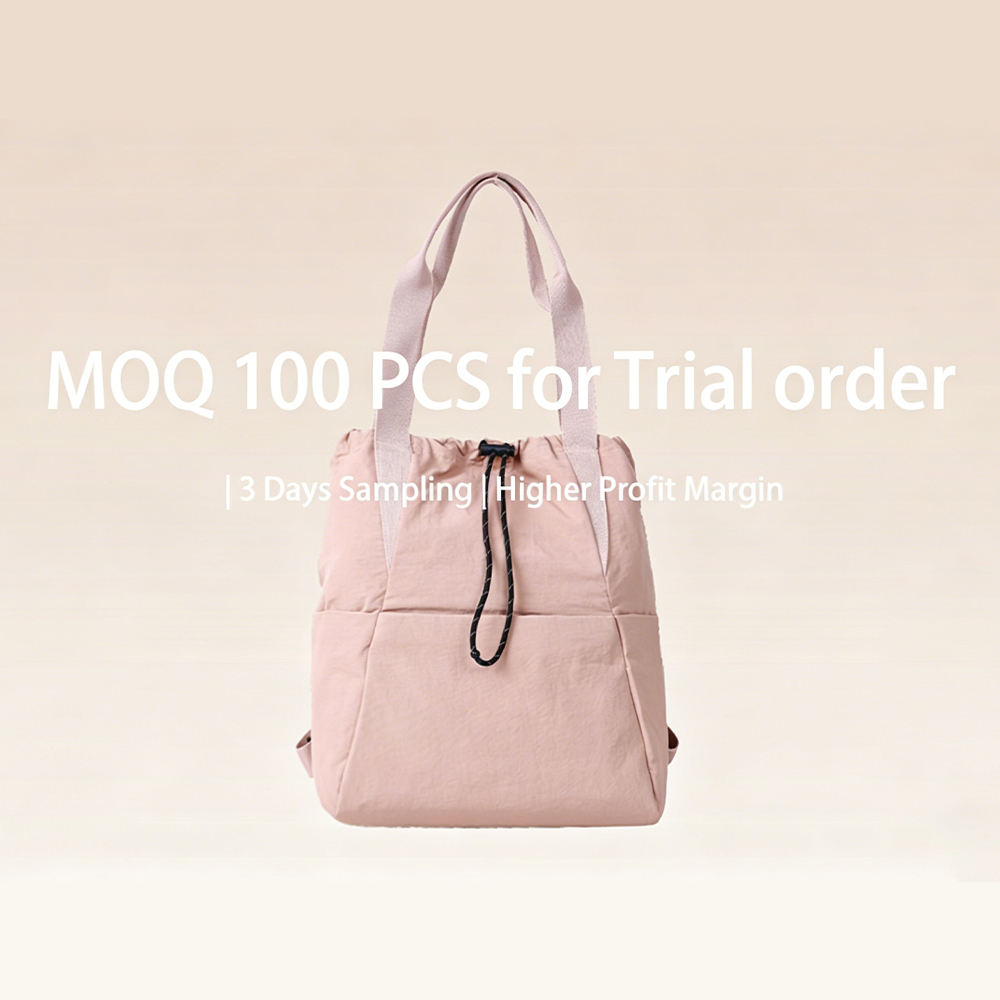
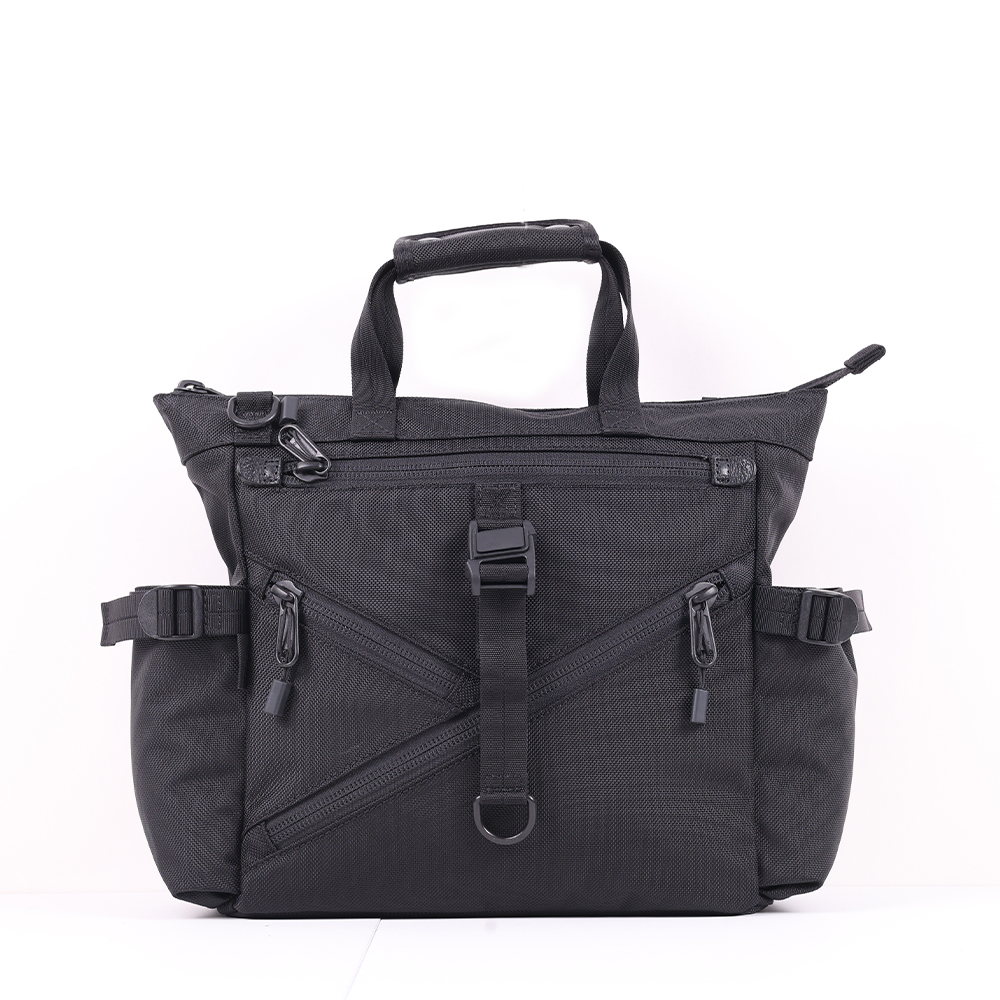
Modular no mean gimmick. It mean panels, dividers, and pouches weh click, velcro, or zip. You want sturdy clips, easy-to-move dividers, and quick access. Look fi: reinforced base, breathable back panel, water-resistant zips, and attachment points for extra pouches. Less fluff. More function. When the system work, yuh pack faster and protect yuh gear better.
Choose with your needs first
First ask yuhself: what you carry most days? Camera plus one lens? Laptop? Snacks and kid stuff? Match bag size to routine, not to style. Pick modular inserts that suit the kit: padded dividers for glass, thin organizers for cables, and a secure pocket for passport. Weight matters. Test shoulder comfort with weight, not empty bag. Check how the bag sits when full; it should hug yuh back, not swing side to side.
Common mistakes people mek — watch dem
People buy big because dem tink it look bold. Big bag + poor organization = chaos. Overstuffing damages zips and seams. Using cheap dividers will flop and offer no protection. Leaving valuables in external pockets is asking fi trouble. And don’t buy only for current gear; get flexible inserts so when yuh upgrade lens or add drone, yuh bag adapt quick.
Experience, testing, and a real-world anchor
Mi work wid travel photographers and gear sellers, an mi test bags on city runs and long-haul trips. Shows like Photokina highlight trends and real feedback from pros, an dat kind a benchmark help judge durability and layout. For photographers who travel light but need solid protection, the research points to options built around modular protection and quick access — see best dslr camera bag for travel. Trust metrics: materials (nylon denier), seam construction, and weather sealing. Try a dry run: load the bag how yuh would on a normal shoot, walk a city block, bend down, and note any rubbing or shifting.
Quick comparison: three practical setups
Modular camera backpack — padded cubes for glass, top access for speed. Best for street and travel photographers who need protection and flexibility. Sling-style modular pack — lighter, fast deployment, less internal space. Best for single-lens setups and day trips. Convertible commuter bag — laptop sleeve + removable camera insert. Best for hybrid users who switch between office and shoots. Each option trade-offs comfort, protection, and access. Pick by daily routine, not by brand name alone.
Packing checklist and small habits that matter
Start with durable inserts. Use small pouches for cables and batteries so dem nah roll around. Keep frequently used items in top pockets. Lock or secure external straps to avoid snagging. Inspect zips and seams every few months. Swap wet or dusty dividers out quick so mold or grit doh spread. Little habits keep yuh gear working and save yuh money later.
Wrap-up — what solution actually gives you
Pick a modular backpack dat match how yuh move and how yuh protect gear. Be choosy ’bout materials and test comfort with weight. Use modular inserts smartly so yuh switch roles easy — from commuter to photographer to traveler. When it come to reliable build and practical layouts, look to makers who design for real use and steady wear like ChangRong, and yuh’ll have a bag dat change wid yuh, not against yuh.
