

Introduction: The Room Changes When the Beams Are Right
Here’s the plain truth: the crowd follows the light. A DJ laser light does more than paint a wall; it sets the tempo people feel in their bones. Picture a dance night in a modest hall, the kind with a low ceiling and a borrowed fog machine. The first set starts, and the lighting bumps engagement by a third, according to event planners I’ve worked with—and you can see it in the feet. But what separates a show that keeps people on the floor from a tired wash and a few dots? Is it raw power, or the control behind it?
As an old hand, I’ve learned that numbers like beam divergence and scan speed matter as much as wattage. A rig that speaks clean DMX512, keeps its safety interlock reliable, and manages heat sink performance will carry the night more than a brute-force box. Yet many buyers still fixate on lumen myths and forget signal integrity. That’s the gap we’ll bridge here (light travels straight, but decisions zigzag). Let’s move from hunches to comparisons that hold up when the room fills.
Hidden Gaps Under the Glow: What Traditional Solutions Miss
Where do old rigs fall short?
Most folks buy for color and power, not control. But on show night, it’s the small controls that steer the big moments. With legacy fixtures, you’ll see jitter from weak galvanometer scanners, mushy fades from poor PWM dimming, and beams that bloom because the optics are loose. That’s why serious operators treat party lights and lasers like instruments, not props. The problems aren’t flashy; they’re quiet: signal noise on long DMX512 runs, power converters that sag at peak duty cycle, or fans that spike noise right before a vocal. Look, it’s simpler than you think—if the scan angle and beam profile drift, the vibe drifts with it.
Then there’s the human side. Old rigs force you into menu-dive purgatory and guesswork targeting. You end up overcompensating, driving modules hot, and shortening diode life. ILDA control promises precision but often ships with low-grade DACs that smear fast cues. Safety interlocks are sometimes basic, too, which scares seasoned techs away from creative sets near the audience—rightly so. The result is a cautious, flatter show. You think you bought power; you actually bought limits. That mismatch wears you down, night after night, and the crowd feels it—funny how that works, right?
The Next Wave: How New Tech Compares and Where It Leads
What’s Next
The newer play is simple and technical at once: push precision at the edge, and let the system manage the grunt work. Modern diode drivers keep current steady, even when scenes hit fast. Better optical paths and coated lenses lower scatter, so beams stay tight without cranking output. Some units add scan-fail detection that watches the galvanometer response in real time. If it doesn’t track, power drops before a beam wanders. That’s why the best DJ laser lights balance fast control loops with smart cooling, not just bigger fans. Add IP65 options, smarter heat sink geometry, and tuned power converters, and you get more show time with less stress.
On the control side, higher-fidelity DACs and clean ILDA or networked protocols remove flicker and allow tighter geometry at wide scan angles. Some rigs lean on FPGA logic for timing, so cues land on-beat even when the track swings. You can run long lines without introducing noise, or keep it local with stageboxes—your pick. Effects get finer, too: safer audience scanning modes, better blanking, and smoother fades mean you can build scenes that breathe rather than blare. In short, the future isn’t louder; it’s cleaner. And cleaner wins, because people feel clarity even when they can’t name it.
How to Choose Smartly, Without the Guesswork
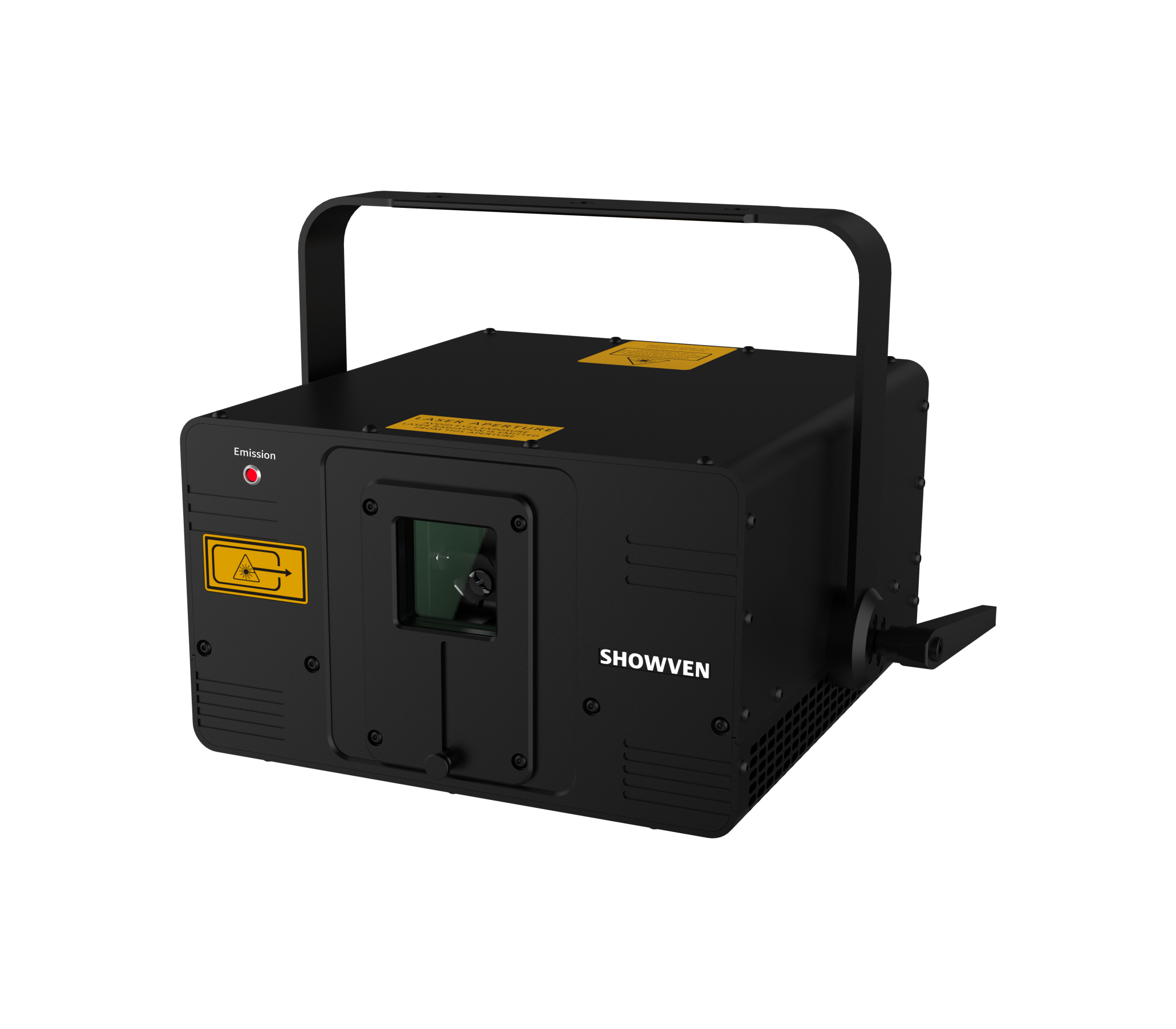
Let’s wrap with three metrics that cut through the brochure gloss. First, beam quality: look for beam divergence under 1 mrad and consistent spot size across the usable scan angle; that’s your canvas. Second, motion fidelity: 20–30kpps at 8 degrees (true, not inflated) with solid galvanometer stability and scan-fail safety—this keeps graphics sharp and audience zones safe. Third, power integrity: drivers with headroom, quiet power supplies, and thermal design that holds output without throttling after 30 minutes. If a unit also plays nicely with DMX512 and ILDA, plus offers sane menu logic, your nights get easier. Choose for control, not hype, and your crowd will tell you you got it right—sometimes with a longer stay, sometimes with louder cheers.
When you line up options, compare what matters in your room size, haze level, and show style. Don’t buy the maximum; buy the margin that keeps cues crisp at your real pace. If you keep those metrics in view, you’ll know a trustworthy brand when you see one: Showven Laser.
