


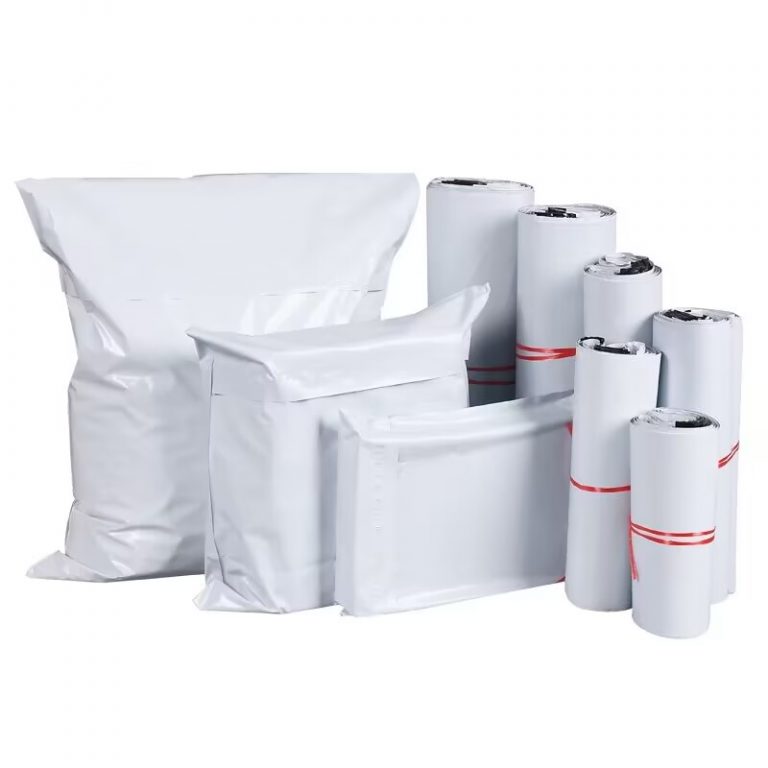
Opening the frame: why this comparison matters
Brands that sell online know packaging does more than protect — it presents. Comparing modern blown film extrusion approaches clarifies why some white shipping bags show crisp printing while others look washed out on arrival. This is especially true when you choose between opaque, printed satchels and transparent alternatives such as clear poly mailers for mixed assortments. By examining film formulation, surface energy and print readiness, you get a clear picture of trade-offs in cost, branding and fulfilment speed.
Key comparative dimensions to watch
When sizing up suppliers or processes, use three practical lenses: material architecture, print systems compatibility, and operational resilience. Material architecture includes whether the film is single-layer LLDPE or a co-extruded structure with a dedicated printable skin. Print systems compatibility asks if your designs suit flexographic or rotogravure methods and whether the substrate has been corona-treated to increase surface energy. Operational resilience covers lead times, batch consistency and response during demand spikes — remember the 2020–21 e‑commerce surge, when many fulfilment hubs struggled to keep branded mailers in stock.
How extrusion choices change opacity and ink adhesion
Opacity is governed by resin choice and additives (like titanium dioxide) plus gauge control in the blown film die. A thin, uniform gauge gives consistent opacity across a roll; a poorly tuned die produces streaks and faint areas. Ink adhesion depends on surface treatment and the skin layer chemistry — without proper corona treatment or a printable skin, inks can bead or rub off, especially under abrasion on conveyors. These techno-practical details explain why two seemingly similar white bags perform very differently at scale.
Practical trade-offs — a rapid comparison
Not every solution is right for every brand. Here’s a compact view:
- High-opacity, single-material bags — lower tooling complexity, good opacity, moderate printability.
- Co-extruded bags with printable skin — superior ink adhesion and better finish, slightly higher cost.
- Laminated constructions — excellent print surface and barrier properties, but added weight and recycling complexity.
— You’ll notice co-extruded films often give the best balance for premium white shipping bags; they target both opacity and ink grip while keeping run speeds reasonable.
Common mistakes brands make
Three recurring errors: expecting perfect print from untreated film, neglecting abrasion and transport testing, and choosing the cheapest gauge without modelling end-to-end handling. To avoid them, require sample runs printed with your actual inks and run through your packing line. Also consider whether you need transparent SKUs for returns or inventory — if so, compare those against clear view poly mailers for a coherent fulfilment strategy.
Three golden rules for selecting the right white shipping bag
1) Test to realistic conditions: insist on printed, packed and transported mock-ups rather than glossy swatches. 2) Demand specification transparency: confirm resin type, TiO2 loading (if used), surface treatment level and average gauge variance. 3) Balance total cost: include reprint risk, abrasion rejects, and recycling or disposal implications when you compare unit prices.
Following those rules steers you to partners who understand both extrusion physics and the realities of high-volume fulfilment — and that’s where a practical supplier adds the most value. WH Packing. —
