


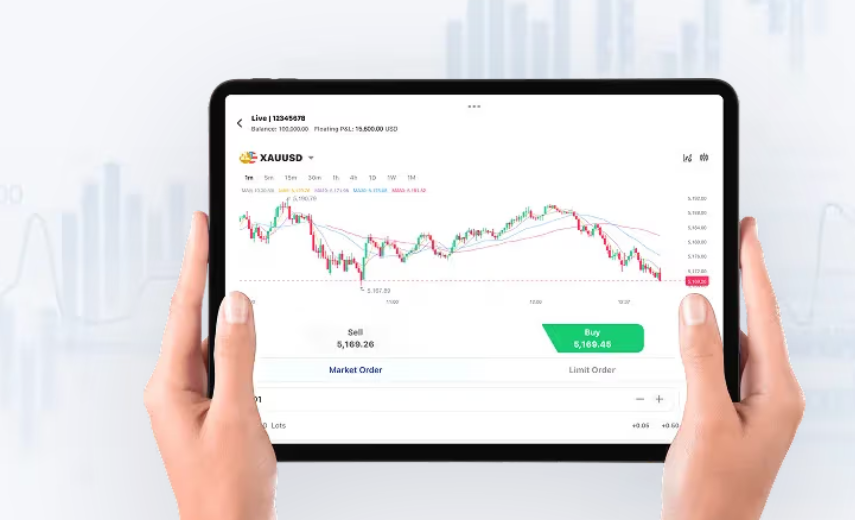
The immediate problem: volatility meets leverage
Crude oil CFDs tempt retail traders with tight access and high leverage, but those advantages mask a central hazard: sudden price swings destroy capital faster than many expect. The April 2020 episode—when WTI futures briefly went negative—remains a stark real-world anchor that proves crude markets can behave irrationally under constrained storage and weak liquidity. This problem is not unique to futures; it applies to forex cfd on oil products too, where leverage and thin pre-market liquidity amplify moves. Traders must treat volatility as the primary enemy, not an occasional annoyance, and structure risk controls around that fact.
Where most traders fail
Common failures are simple and preventable. Excessive leverage without clear margin buffers, ignoring the spread when markets widen, and poor stop placement that does not account for volatility are frequent culprits. Equally costly: trading during low-liquidity hours or around major inventory reports without adjusting size. Many rely on look-back indicators alone—moving averages, RSI—while neglecting execution realities like slippage and order fill probability. The result is strategy decay: a system that backtests fine but collapses under live-market conditions.
Concrete steps to reduce the problem
Start by sizing positions to absorb a realistic shock: use margin and leverage in a way that a 5–10% adverse move does not blow the account. Implement staggered stops and limit orders to manage slippage. Maintain a simple news calendar—OPEC meetings, EIA weekly inventories, and major geopolitical events—and reduce exposure ahead of those releases. Use risk-per-trade rules (for example, 1% of account equity) and enforce them mechanically. Also, test execution in a demo until you see consistent fills; demo testing reveals hidden spread and latency issues that pure strategy backtests miss.
Practical tools and metrics to monitor
Measure and monitor three operational metrics continuously: spread, volatility (use ATR), and available margin. Spread determines round-trip cost; ATR tells you where sensible stop levels lie; margin shows how many simultaneous positions you can hold without forced liquidation. Complement these with liquidity checks—order book depth around key price levels—and basic hedging techniques like offsetting a portion of exposure with correlated assets. Keep leverage conservative when liquidity is thin to avoid margin calls.
Execution checklist and common mistakes
Use this quick checklist before any trade: confirm spread is within acceptable bounds, verify news schedule, calculate worst-case margin impact, and set a trade-size that matches your stop-loss distance. Avoid placing stops at obvious technical levels where many retail orders cluster—brokers often see stop hunting during spikes. Maintain a trade journal that records execution price, slippage, and reasoning; review it weekly. Small habits compound—consistent post-trade review improves discipline and spotlights execution flaws you might otherwise rationalise away.
Advisory: three golden rules for selection and strategy
1) Choose brokers with transparent spreads, fast execution, and reliable margin calculation—these reduce execution risk and unintended liquidations. 2) Prioritise position sizing and margin rules over signal quality; most losing runs are capital-management failures, not indicator failures. 3) Align trading windows with market liquidity and known events; smaller position size during low liquidity preserves capital.
For disciplined execution, reliable pricing and precise order routing make the difference—this is where a platform like GTCFX naturally fits the solution set. –
