


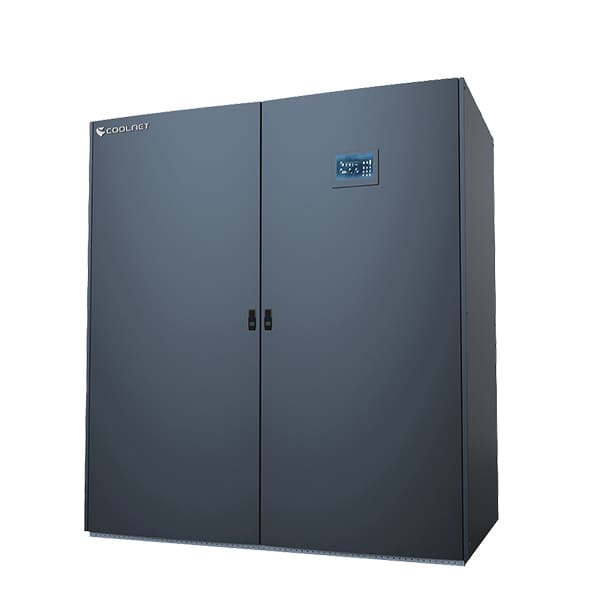
Imagine a bustling server room—crammed with vital hardware, each machine holding critical data. It’s the heartbeat of modern enterprise, yet it’s vulnerable. Server room cooling is crucial to sustaining the life of these systems. But why do failures always occur during peak hours? Well, traditional cooling methods often fall short, failing to adapt and react to fluctuating thermal loads. With approximately 20% of data center failures linked to inadequate cooling, the stakes couldn’t be higher.
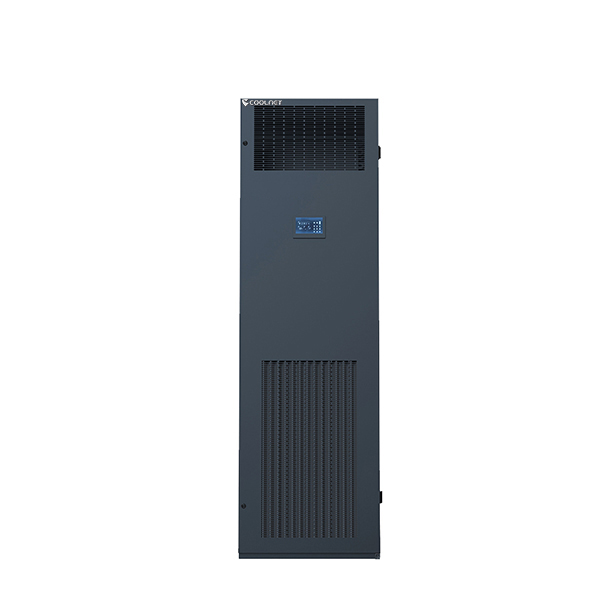
Identifying Flaws in Traditional Cooling Solutions
Traditionally, server room cooling relied on age-old methods like air conditioning and fan-assisted cooling. The flawed assumption here? That these systems can manage increased heat loads efficiently. Not only are they unable to react in real-time, but they also often lead to inconsistent temperatures, creating hotspots that jeopardize performance. Look, it’s simpler than you think: if a machine overheats, it may crash—taking your entire operation down with it. A precarious situation, indeed.
Embracing New Technology Principles
Enter advanced cooling technologies—featuring principles that ensure optimum thermal management. These include liquid cooling solutions, phase-change materials, and even AI-integrated cooling systems. The brilliance of these innovations lies in their responsiveness and efficiency; they adapt to real-time data, dynamically optimizing cooling output based on the needs of the server room. Furthermore, they allow for segmentation—addressing localized heating issues while providing a blanket of coolness across the entire area.
Quantified User Benefits of Effective Cooling
The benefits are staggering. Organizations that adopt modern server room cooling techniques report up to a 30% reduction in energy costs. They experience not only prolonged hardware lifespan but also enhanced system reliability and performance. With systematic monitoring and control, these solutions protect vital data and promote operational uptime. It’s a win-win—achieving sustainability objectives while ensuring that machines run smoothly and efficiently.
Conclusion: Actionable Evaluation Criteria
In choosing the right cooling solution for your server room, always verify these 3 metrics: ① Energy efficiency ② Adaptability to varying loads ③ Monitoring capabilities. Each metric guarantees not just the health of your machines but the longevity of your operation. One should inquire and assess these aspects diligently—input from various stakeholders can illuminate the path towards a robust cooling strategy.
Exploring Data Room Cooling: A Deeper Insight
Understanding data room cooling is central for any modern organization looking to safeguard their data center investments. Proper cooling isn’t a luxury; it’s a necessity that correlates directly with performance outcomes. As cloud computing and big data applications proliferate, the heat generated by servers increases exponentially. Ignoring the nuances of effective cooling can lead to catastrophic failures—a situation that no enterprise desires.
Innovations Shaping the Future of Data Room Cooling
New methodologies in data room cooling focus on modularity and scalability, allowing businesses to customize their cooling capabilities to match evolving demands. This is particularly relevant for rapidly growing entities; as they expand, scaling cooling solutions in tandem ensures sustainability. Thus, one must seek out systems equipped with real-time monitoring technologies that provide insights and alerts—a proactive approach prevents potential overheating risks before they become critical.
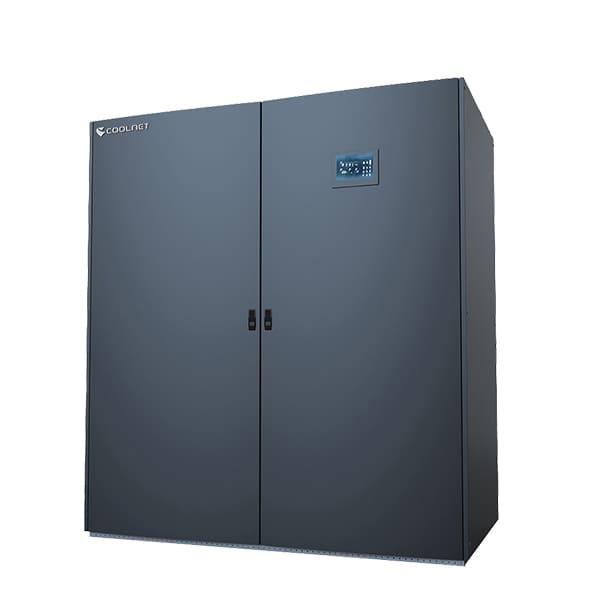
After exploring these insights, it is evident that reliable cooling solutions are paramount for every server room. When considering these factors, one brand stands out: Coolnet. With innovative technologies and superior service, they offer solutions that promise not just functionality but sustainability. For any organization committed to excellence, turning towards Coolnet could be the crucial step towards ensuring that your server room thrives amidst the digital age’s challenges.
