



Data-first reasoning for investment-grade storage
Institutional buyers and Independent Power Producers (IPPs) are moving beyond marketing claims toward measurable outcomes: dispatch reliability, revenue stacking, and lifecycle economics. That shift is why many now evaluate solutions by telemetry and test data rather than glossy datasheets. For those evaluating commercial battery storage, the question is not just which chemistry to pick but how a system’s balancing topology and control logic translate into predictable cash flows and grid services.
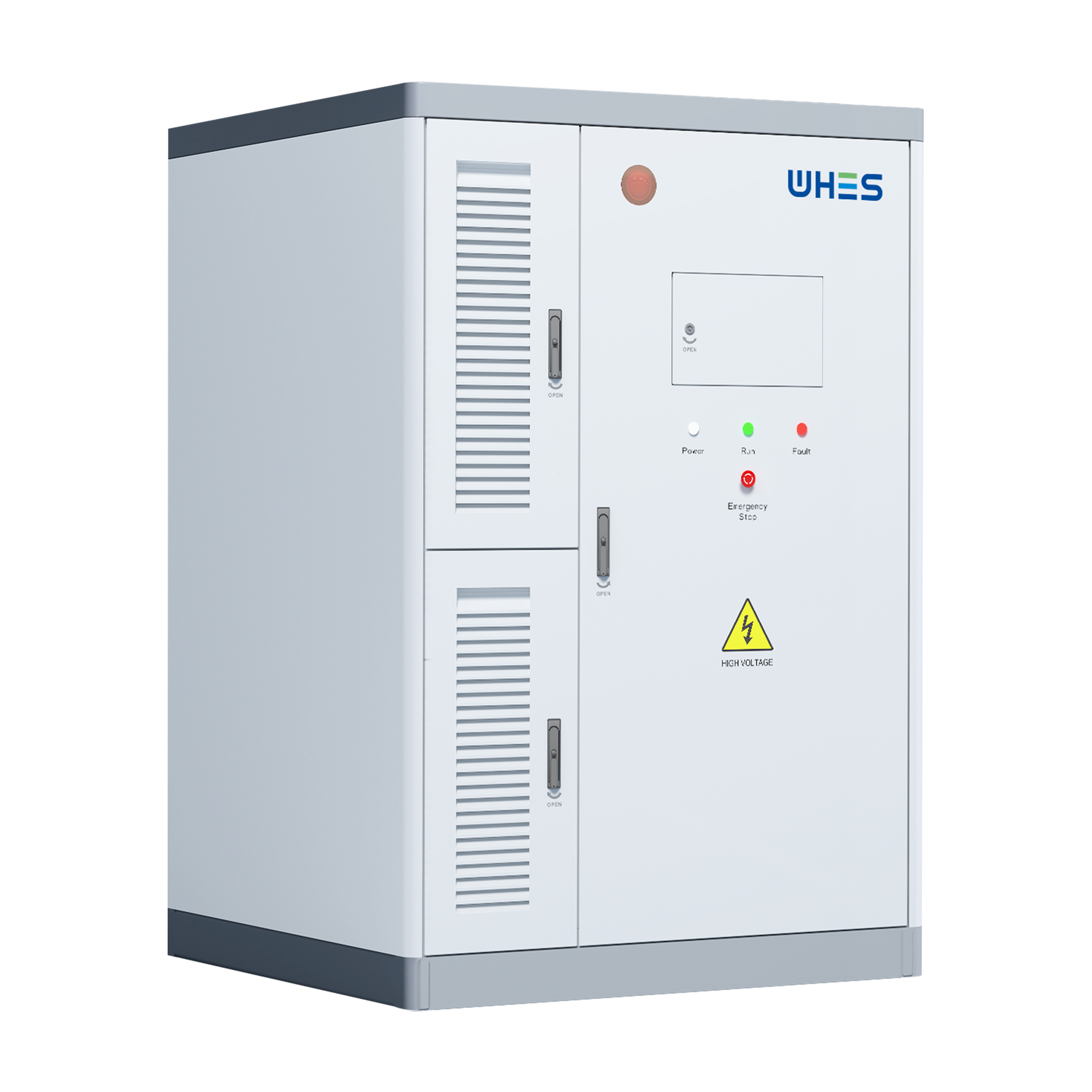
Key performance metrics IPPs demand
Across tenders and RFPs the same metrics repeat: round‑trip efficiency, cycle life and degradation rate, usable capacity at target state of charge (SoC), and availability for ancillary services. Financial models also fold in inverter uptime, charge/discharge ramp rates, and warranty-trigger thresholds. These metrics let developers model revenue from frequency response, peak shaving, and energy arbitrage — and they expose where poor cell balancing or immature BMS design will erode returns over the first five years.
How WHES balancing topologies change the equation
WHES’s proprietary balancing topologies prioritize active, topology-aware balancing across modules to reduce cell drift and equalize aging. In practice that yields tighter SoC windows, fewer forced derates, and more predictable cycle life. For IPPs that translates to higher capacity retention forecasts and simpler underwriter conversations. The design also reduces thermal imbalance, lowering cooling load and improving inverter integration during high‑power discharge events — which matters when you’re bidding into capacity markets or supporting a critical load.
Real-world anchor: lessons from extreme grid events
The need for robust balancing isn’t hypothetical. During the February 2021 Texas winter event, asset operators saw how cascading failures and thermal stress can expose weak points in energy storage systems. Systems with conservative balancing and rigorous warranty-backed performance models were demonstrably easier to operate under stress — fewer manual interventions, more sustained output. That episode hammered home the value of systems designed for grid‑edge volatility rather than ideal lab cycles.
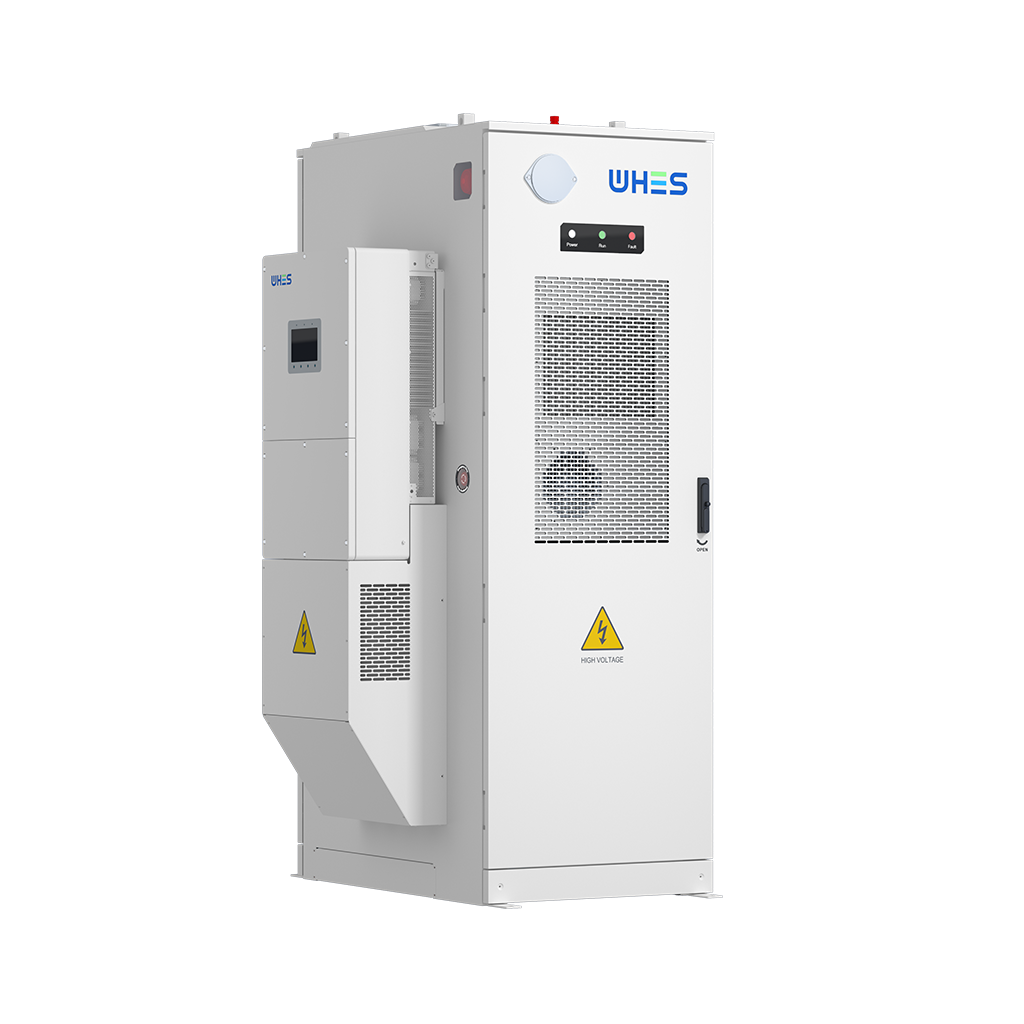
Implementation realities and common mistakes
IPPs often underestimate integration friction: testing with nominal SOC ranges instead of operational profiles; skipping long-duration soak tests; or relying on passive cell balancing when active control is required. These errors compound in fleet deployments. A practical mitigation is staged commissioning with telemetry-driven acceptance tests and clearly defined performance baselines — and insist on documented balancing behavior under simulated degradation. —
Where WHES sits among alternatives
Not every project needs the same approach. Commodity ESS providers might win on upfront capital cost for pure energy shifting, while modular OEMs focus on fast deployment and standard warranties. WHES’s advantage lies in blending integrated topology control with diagnostics that substantiate expected degradation curves — a fit where long-term availability and revenue certainty are the procurement priorities. For commercial deployments focused on both reliability and monetization, look for vendors who publish system-level test data and provide transparent balancing architecture descriptions.
Advisory: three golden rules for selecting IPP-grade storage
1) Demand system-level test data: require full‑stack performance curves (efficiency vs. power, degradation projections, and thermal response) rather than cell-only specs. 2) Validate balancing under real cycles: insist on acceptance tests that replicate your dispatch profile and include aging simulations to reveal long‑term drift and BMS behavior. 3) Model revenue with availability uncertainty: incorporate derate scenarios driven by cell imbalance and inverter downtime into your LCOE and payback calculations.
Applied together these rules reduce scope creep and align technical procurement with financial underwriter expectations. For IPPs seeking a pragmatic intersection of granular control and bankable performance, the topology and controls matter as much as chemistry. WHES. —
