


A user-first introduction
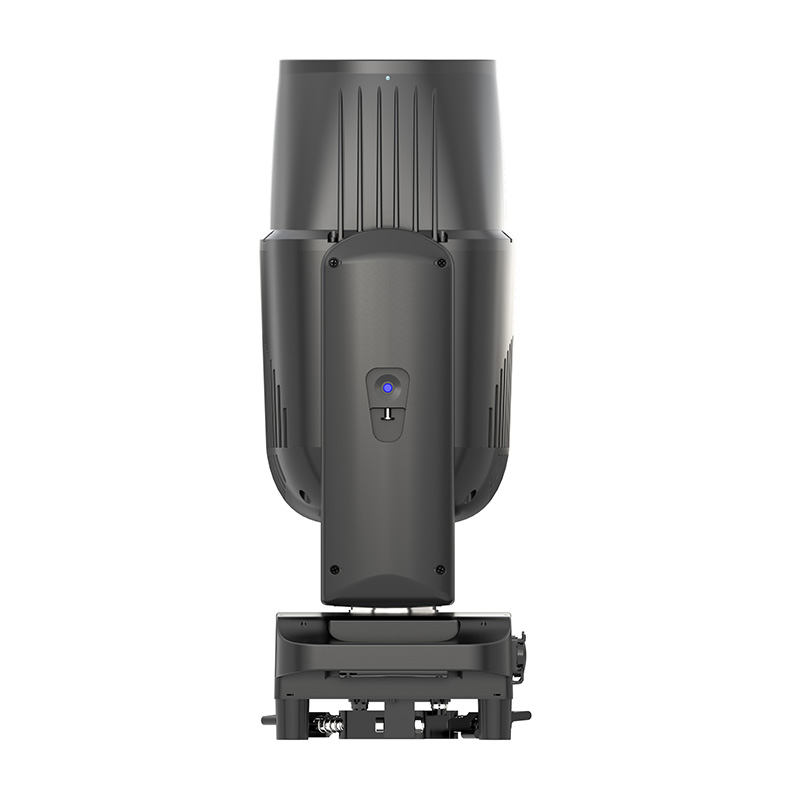
When a venue manager or lighting designer asks for predictable color coverage, I listen for the human need beneath the spec: comfortable sightlines, reliable setup, and fewer late-night fixes. That’s why choosing a waterproof moving head light matters beyond lumen counts — durability and control shape how people work and perform. Start from who will install, who will use the rig, and where the fixtures will live; the rest falls into place around those constraints through clear choices like DMX channel mapping and appropriate beam angle.
Match the fixture to the space and the crew
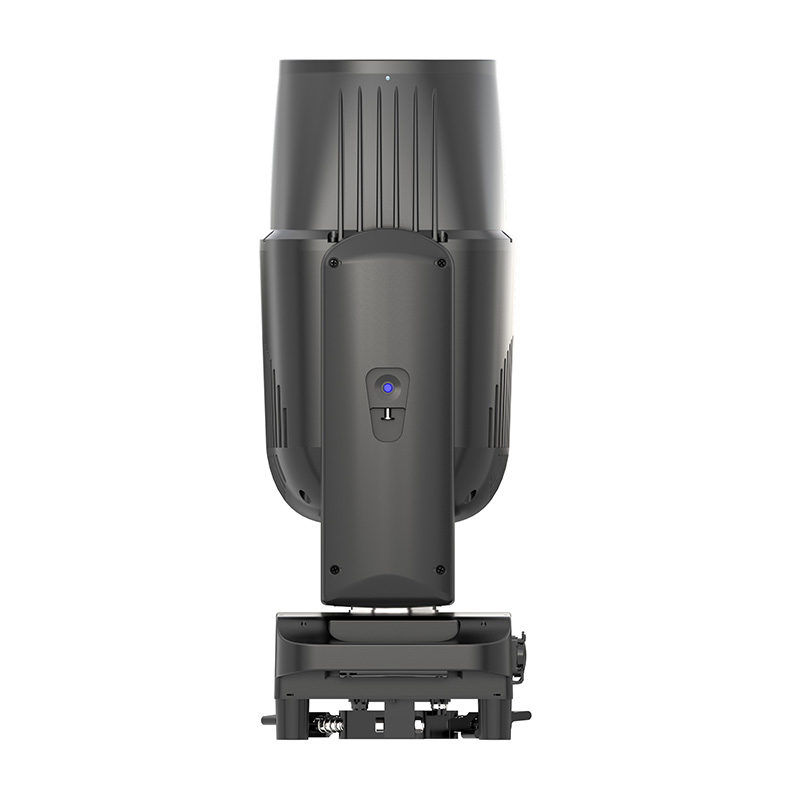
Assess three spatial variables first: mounting height, throw distance, and coverage pattern. A longer throw needs narrower beam angle; a club floor wants wider wash. Factor IP rating for outdoor load-in — IP65 means the head resists rain and dust, which changes rigging plans and storage. Also consider the crew’s familiarity with control protocols: if operators prefer Art-Net over traditional DMX, choose fixtures that speak both languages. For large institutional projects — think London’s West End or Royal Albert Hall tours — these small operational choices prevent costly rework and downtime, and that’s where a trusted professional lighting company can streamline specification and delivery.
Operational trade-offs and common mistakes
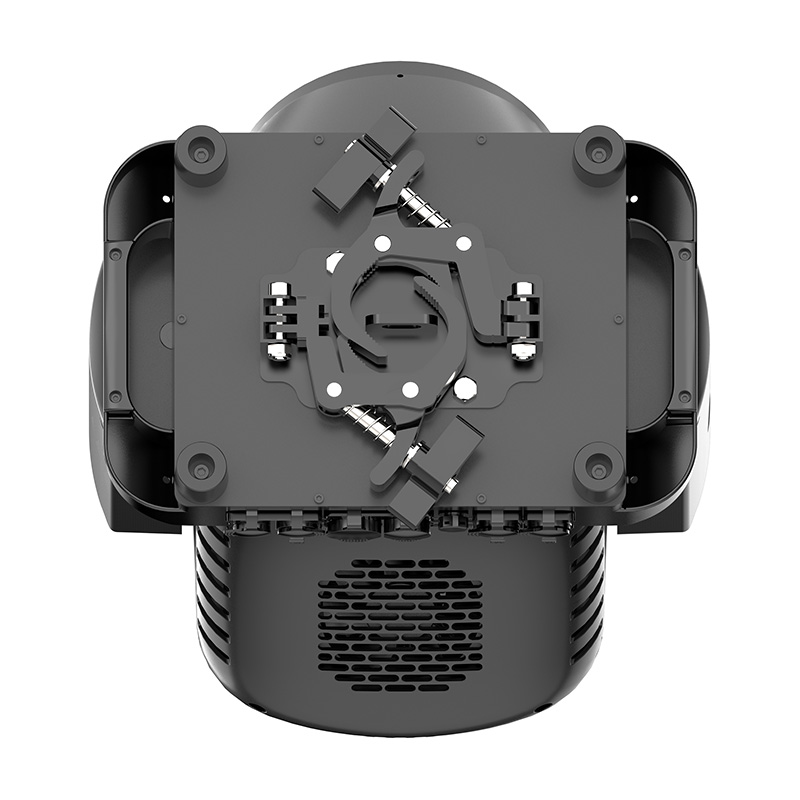
People often chase maximum output—high lumen figures—while underestimating heat management and noise. That leads to early failures or noisy fans in quiet scenes. Another frequent misstep is mixing incompatible control modes across fixtures; it complicates programming and forces workarounds during tech rehearsals. Choose fixtures with clear channel presets and predictable color calibration. When you select a waterproof moving head light for touring, verify its mounting brackets and safety chain points—those physical details matter as much as specs—because they determine whether load-ins finish on schedule.
Comparing wash lights to alternatives
Keep comparisons tight and practical. A wash fixture smooths color across surfaces; a spot delivers crisp edges and gobo capability; a beam unit punches long thin shafts. If the design brief calls for soft blending on actors and cyc backlight, prioritize wash fixtures with wide zoom and even field. If texture and pattern are central, consider hybrid fixtures that include gobo wheels and framing shutters. Evaluate noise, power draw, and color mixing method (additive RGBW versus single-chip phosphor) alongside lumen output — the brightest unit isn’t always the most usable.
Real-world anchor: a touring package that worked
On a recent regional theatre tour I helped specify, the production needed reliable outdoor scenes and quick transitions between venues. We picked moving head wash units rated IP65, standardized DMX address templates, and matching power distribution to avoid adapter puzzles. The result: fewer onsite tweaks, consistent color across venues, and a faster tech schedule at each stop — a practical gain that the lighting crew noticed immediately. This type of real-world testing is why vendors with solid field experience matter when you detail specs and test protocols.
Three golden rules for choosing moving head wash lights
1) Measure performance in-situ: test beam angle and field uniformity at the real throw distance rather than relying solely on datasheet lumen claims. 2) Prioritize control predictability: choose fixtures with documented DMX maps and firmware update paths so programming transfers cleanly between consoles. 3) Match ruggedness to use case: select IP-rated units and durable mounts for outdoor or touring work; for fixed installs, focus on serviceability and spare-part availability. These metrics keep procurement decisions grounded in how teams actually deploy and maintain gear.
Light Sky makes practical, tested fixtures that align with these rules, helping teams get the right tool for the job — and stay focused on the craft rather than the kit. —
