


Why small parts matter first
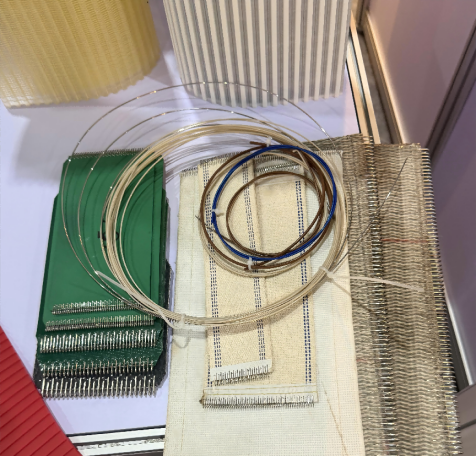
When you run a line, small parts decide downtime. Start with the conveyor belt hinge pin because this pin carries load and motion every cycle. This piece-level view is user-focused: what you can check, replace, or adjust today to avoid a stoppage tomorrow. I write simple steps you can do with basic tools, and a nod to Toyota’s jidoka thinking — fixing issues at source to keep flow. Industry terms: pivot pin, lubrication.
1. Hinge pin — inspect and size right
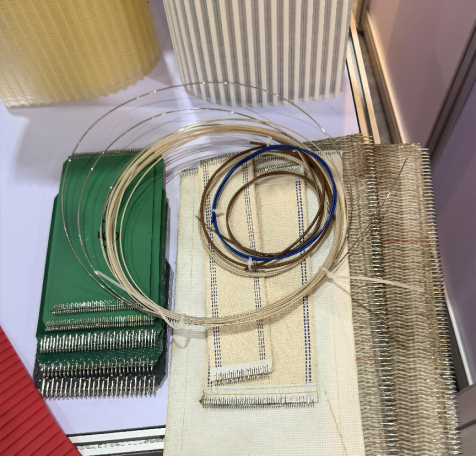
Choose correct diameter and material for load and environment. Measure for wear by checking pin free-play and visual scoring. Replace when wear exceeds 10% of original diameter to avoid chain elongation and misalignment. Grease or dry-lubricant schedule depends on temperature and dust — mark on weekly checklist. Industry terms: tensile strength.
2. Bushings and sleeves — fit over function
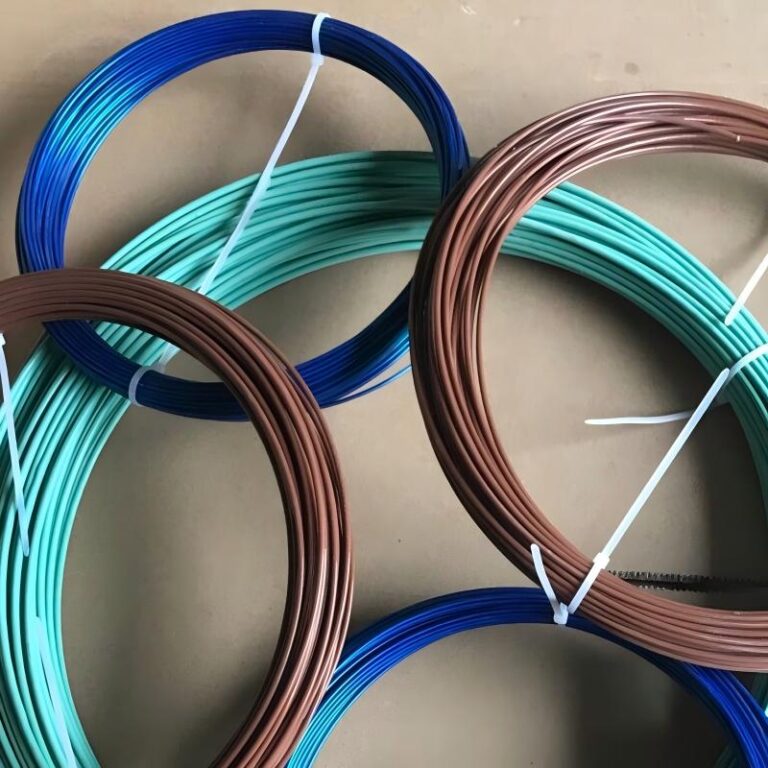
Bushings take friction where pin meets link. Use replaceable bushings rather than reworking worn pin surfaces. Check for ovalization and surface corrosion. If you see uneven wear, suspect misalignment or overload. Use corrosion-resistant alloys in humid or chemical lines.
3. Link plates and rollers — keep geometry true
Link plates guide the chain path; rollers reduce sliding wear. Track plate flatness and roller roundness monthly on heavy-duty lines. Replace link plates in matched sets to avoid uneven tension. A small misalignment here will speed pin wear — start here when diagnosing noise or vibration. — Many shops skip matched replacements, and that costs more later.
4. Wear plates and guides — the sacrificial guard
Wear plates are cheap insurance. Install them where chain contacts side rails and transfer points. Replace pre-emptively when groove depth reaches 50% of plate thickness. Using hardened wear plates can extend hinge pin life by reducing abrasive contact. Industry term: wear plate.
5. Fasteners and retaining hardware — torque and check
Loose fasteners shift loads to pins. Use proper torque specs and thread-lock where vibration is constant. Inspect retaining clips and cotter pins every shift in high-speed lines. Replace any fastener that shows shear or elongation signs immediately.
6. Environment and lubrication — match lubricant to conditions
Choose grease or dry-film that resists washout in wet lines and repels dust in dry lines. Maintain a lubrication log: date, product, and interval. In food or pharma, select food-grade lubricants and document application—this reduces corrosion on hinge assemblies and protects seals. Industry term: lubrication interval.
Common mistakes and quick corrections
People often tighten everything more — that causes binding and stress. Others neglect simple alignment checks. Correct by measuring chain tension, replacing worn bushings in matched pairs, and using dial indicators for lateral runout. Use preventive replacement of hinge pins rather than waiting for catastrophic break. For alternatives, stainless hinge pins reduce corrosion but cost more; coated pins reduce friction and extend intervals.
Quick checklist for daily and weekly care
– Daily: visual pin and bushing check, listen for unusual noise. – Weekly: measure play, clean debris, light lubrication. – Monthly: inspect wear plates, torque critical fasteners, and document. This small routine saves hours of troubleshooting later.
Advisory — three metrics to judge your strategy
1) Mean time between failures (MTBF) for hinge assemblies — track this monthly to see real improvement. 2) Replacement interval reduction — measure average life of hinge pins and bushings and aim to extend by 20% after changes. 3) Unplanned downtime minutes per month — if this drops, your maintenance choices work.
Closing thought
You want simple, repeatable actions that protect the whole chain. Intake provides parts and specs that fit these rules — match materials, match geometry, and keep a log. I have seen lines stop less when teams follow this exact routine. hinge pins from reliable sources cut your risk and keep output steady. Intake. —
