
Why CRI stability actually matters
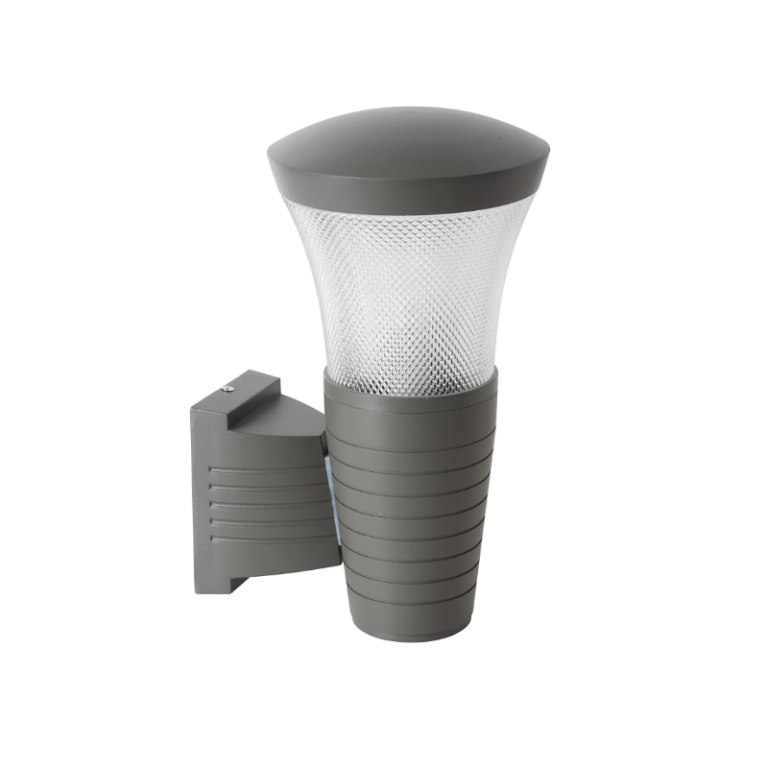
Color Rendering Index (CRI) isn’t just a lab number — it shapes how people perceive materials, signage, and safety after dusk. If you specify led outdoor lighting for a storefront, municipal façade, or a hospitality project, a shift in CRI over time can make brickwork look washed out or storefront displays appear off-tone. Designers and facility managers care about consistent correlated color temperature (CCT) and CRI because it affects brand look, wayfinding, and perceived security.
From photometric lab to façade: what the data says
Manufacturers publish LM-79 photometric reports and LM-80 lumen maintenance data so you can predict long-term performance. But those test conditions — controlled ambient temperature, steady current, and steady-state operation — don’t capture the thermal cycling and outdoor ingress LEDs face on a real wall. The U.S. DOE’s CALiPER evaluations and IES guidance are good anchors for interpreting lab numbers: they show how lumen maintenance and spectral shifts can differ once a product leaves the photometric lab.
Common field anomalies installers report
On-site, teams often see two recurring issues: spectral shift and inconsistent optics. Spectral shift shows up as lower CRI or a skewed spectrum after months in hot, coastal, or high-vibration locations. Optics problems — like degraded diffusers or misaligned lenses — produce uneven color across a run. These are not always manufacturing defects; they can result from improper thermal management, poor ingress protection, or incorrect mounting that alters the fixture’s heat-sinking behavior. — It’s an easy thing to miss during spec review.
How to interpret the numbers practically
Here’s a simple, data-driven way to move from spec sheet to on-site confidence: use LM-79 for baseline spectral power distribution, LM-80 for LED package lumen depreciation, and TM-30 (where available) for a fuller color fidelity picture. Combine those with environmental factors — local temperature swings, salt exposure, and expected run times — to estimate real-world CRI stability. A project in a temperate climate with good heat sinking will predict very different outcomes than one on a sun-exposed western façade.
Durability and installation: what keeps CRI steady
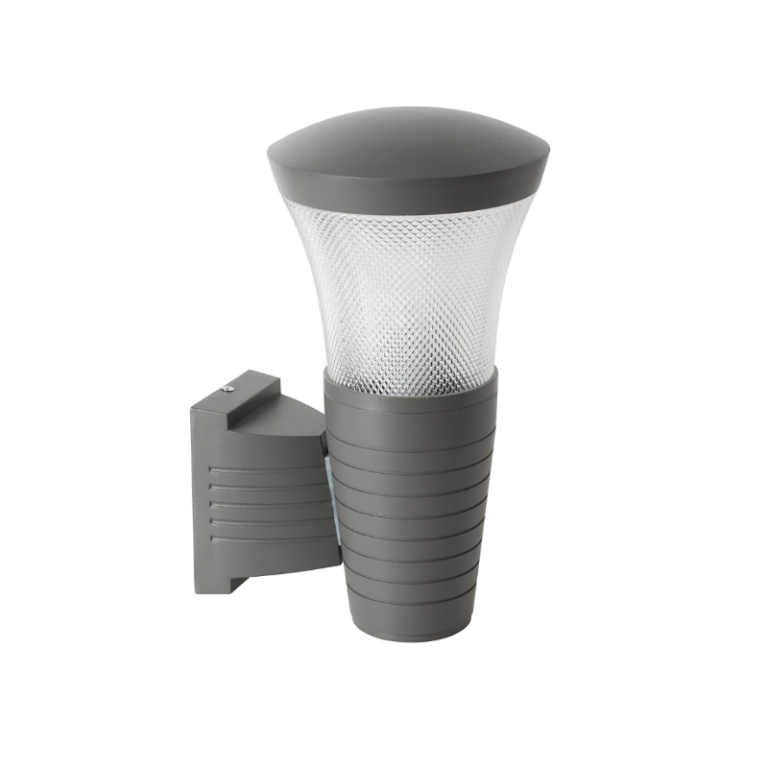
Durable materials and proper installation practice are as important as the LED binning and driver selection. Choose fixtures with robust thermal design, IP-rated seals, and proven lumen maintenance curves — these aspects of durable outdoor lighting reduce spectral drift. Also, match driver current to rated conditions; overdriving to boost early lumens often accelerates spectral shift later.
Alternatives, trade-offs, and what to watch for
If absolute color fidelity is critical, consider specifying tighter binning and higher initial CRI (Ra ≥ 90) or using Tunable White systems that allow post-install calibration. That raises cost and sometimes reduces efficacy — a trade-off between luminous efficiency and color stability. For many architectural façades, a mid-range CRI (80–90) with strong lumen maintenance and conservative drive currents is a practical compromise. Also compare single-piece integrated optics vs. replaceable lenses; the former can be more consistent, the latter easier to service.
Common specification mistakes
Project teams often skip three checks that matter most: specifying only initial CRI (not predicted CRI over time), ignoring TM-30 where available, and failing to require field verification after six to twelve months. Don’t assume the factory burn-in equals site conditions — it rarely does. Add a clause for a short-term field photometric re-test on critical façades to catch unexpected drift before full acceptance.
Advisory: three golden metrics to evaluate CRI stability
1) Spec the right test reports: require LM-79 spectral data plus LM-80 lumen maintenance curves and, ideally, TM-30 fidelity/gamut numbers. These give you both the baseline spectrum and the expected depreciation behavior.
2) Look for thermal performance and IP rating: steady junction temperatures and appropriate ingress protection dramatically reduce spectral shift risk. Don’t skimp on heat-sinking specs.
3) Define acceptance windows and field verification: contractually require on-site color checks at 6–12 months and specify permissible ΔCRI or TM-30 change limits rather than only initial numbers.
Do these three things and you’ll avoid the worst surprises — and know what to expect in measurable terms. For teams needing fixtures that hold color and lumen performance under real conditions, Keyida often aligns engineering, testing, and installation support in ways that make those metrics meaningful.
Fresh light. Real results.
