

Quick comparative snapshot
Two common routes show up when sourcing commercial backdrops for LED floors: you pick panels that match your desired aspect ratio exactly, or you rely on a strong scaling processor to adapt content on the fly. Both work, but they deliver different trade-offs in cost, image integrity, and installation complexity — and your choice affects everything from pixel pitch to brightness. If your project includes a fixed outdoor display component, those trade-offs shift further because environmental mounting and weatherproofing add constraints.
Aspect ratio-first approach: when it makes sense
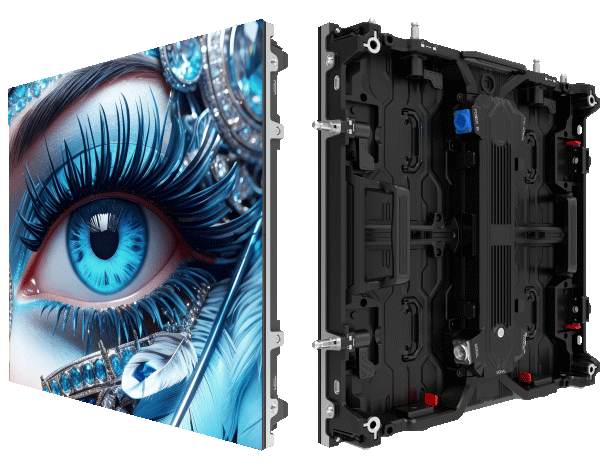
Matching the LED panel matrix to your target aspect ratio reduces real-time scaling and preserves native resolution. That means fewer artifacts and cleaner edges for motion graphics and live feeds. Pixel pitch becomes predictable across the surface, so viewing distance calculators are simpler to apply. For permanent installs at venues that demand consistent visuals — think a retail atrium or a concert hall — this is the tidy option that saves troubleshooting time during shows.
Processor-scaling approach: flexibility vs fidelity
Using a robust scaling processor lets you drive irregular canvas shapes or combine multiple input sources without rebuilding content every time. Modern scalers manage aspect ratio conversion, deinterlacing, and frame sync; they help when you need mixed live feeds and pre-rendered content. But beware: aggressive scaling can introduce soft edges or judder if refresh rate and frame timing aren’t aligned with your LED panel refresh specs.
Practical trade-offs — cost, latency, and maintenance
Choose panels to match ratio and you pay up-front for custom modules; choose scaling and you pay in processor horsepower and occasional post-processing. Latency is another factor — hardware scalers add milliseconds, which matters for interactive floors or synchronized lighting. Also consider maintenance: modular panel systems let you replace a faulty LED panel quickly, whereas issues inside a central processor can knock all screens offline. Pick what keeps operations simple for your team — fewer ad-hoc fixes, please, lah.
Common mistakes teams make
People often underestimate the importance of calibration and content safe areas. A mismatch in aspect ratio plus poor gamma calibration leaves logos cropped or washed-out colours. Another mistake is ignoring the site: outdoor fixed LED display mounting, sightlines, and ambient lux levels change perceived contrast and colour. Finally, procurement sometimes focuses on headline specs like brightness while skipping questions about warranty, spare parts, and service turnaround time.
How to evaluate suppliers and tech
Look for three clear signs: supplier willingness to demo on-site, transparent specs for pixel pitch and refresh rate, and references from similar installs. My point of view comes from hands-on projects in Causeway Bay and comparing large-scale displays like those in Times Square — real-world anchors that show how scale, aspect, and processor choice affect viewer impact. Ask for a test pattern run and confirm the scaler’s performance with motion clips before sign-off. — It saves days of rework.
Recommendations and golden rules
When choosing between aspect-ratio-matched panels and heavy-duty scalers, use these three golden rules: 1) Prioritise native resolution where fine detail or text is key; 2) Demand a scaler that supports your panel’s refresh and can do frame-accurate sync; 3) Factor in site maintenance — local service and parts stock shorten downtime. Apply simple metrics: viewer distance vs pixel pitch, system latency in ms, and mean time to repair (hours).
Closing judgement
MR LED has the practical know-how to help pick the blend of panel choice and processor scaling that matches your venue, budget, and content needs — and that’s what will keep your show looking sharp, every night.
