


Opening: why a comparison matters
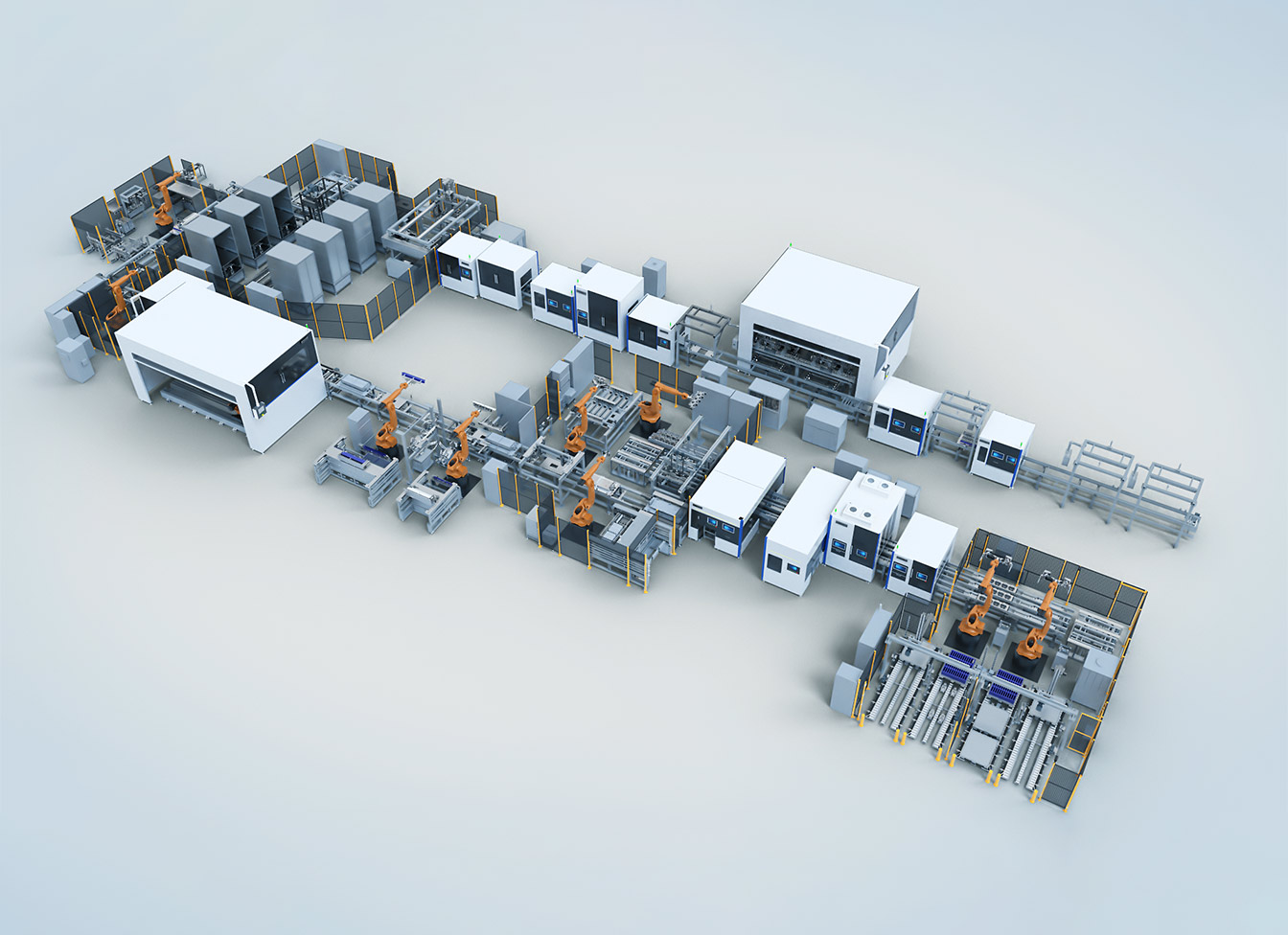
I’ve helped teams vet suppliers for prismatic battery pack lines, and the clearest mistake I see is choosing on price alone. When you look at prismatic battery pack assembly line suppliers through a lifecycle lens, the decision shifts from one-off cost to long-term value. This is a comparative approach: line up what each supplier delivers across design, build, validation, operations, and service, then weigh how those stages affect total cost and lifetime performance.
What “lifecycle value” actually tracks
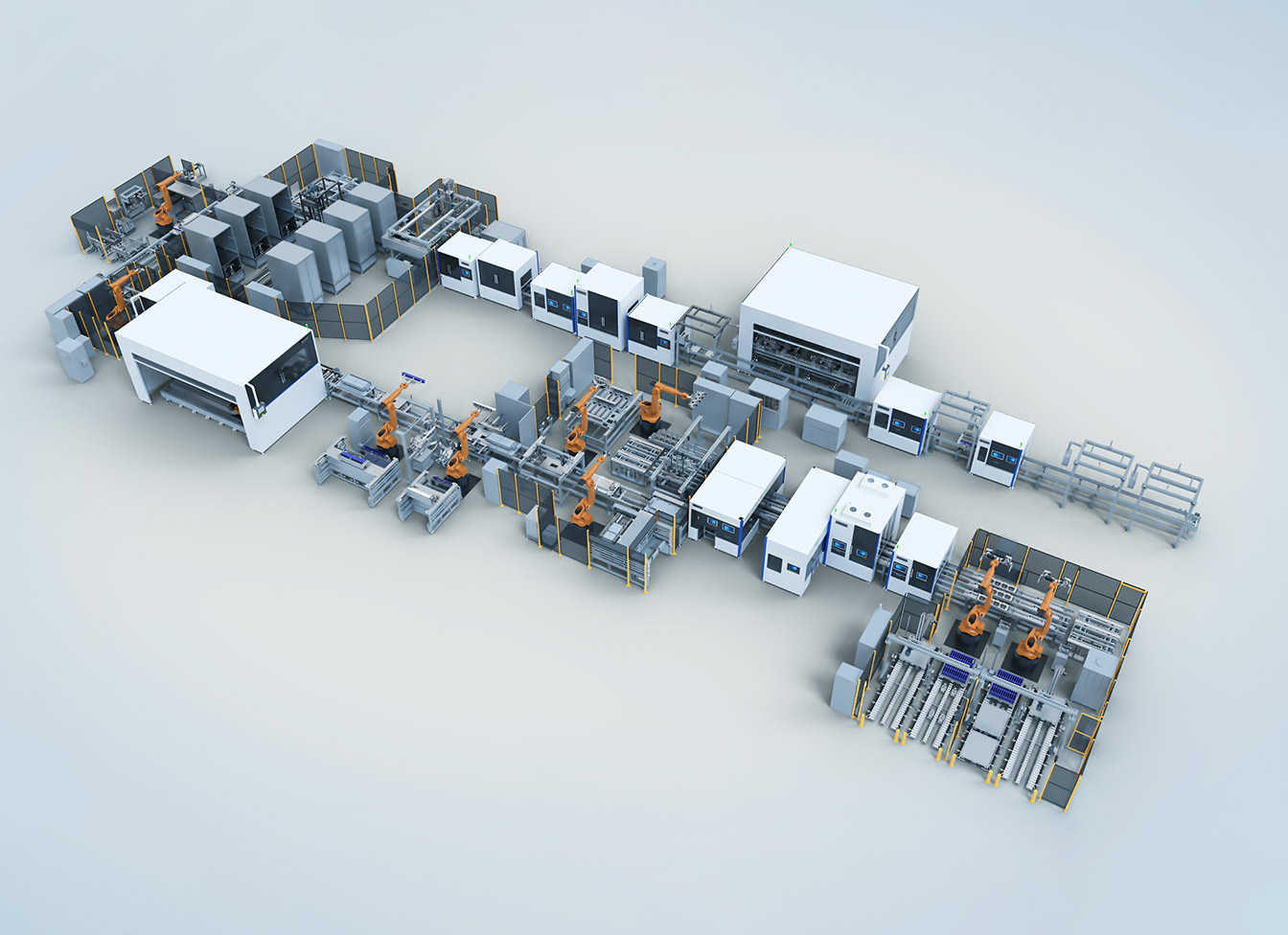
Think of five concrete buckets that drive lifecycle value:- Capital outlay for equipment and fixtures.- Installation, commissioning time, and first-pass yield during ramp.- Ongoing operating costs: energy, consumables, labor, and maintenance intervals.- Quality-related costs: scrap rates, rework, warranty claims.- End-of-life costs: decommissioning and recyclability of tooling or fixtures.I’ve spent years auditing lines and these buckets predict long-term spend more reliably than single-line price quotes.
Comparative checklist to use when evaluating suppliers
Use the same checklist for every supplier so comparisons are apples-to-apples:- Design flexibility: how easily can the line accept cell format changes or module variants?- Throughput vs real-world uptime: ask for demonstrated uptime figures, not theoretical cycle times.- Test coverage: are electrical, thermal, and mechanical tests integrated, and at what throughput?- Local support and spare parts lead times: what’s near-country support vs factory-only service?- Data and traceability: does the line produce part-level traceability and usable analytics?- Training and documentation: length and format of operator and maintenance training.Apply this checklist to each supplier proposal and score them on each bucket.
Where cost traps hide
Price surprises come from recurring sources. Watch these closely:- Custom tooling that wears out quickly and isn’t included in the quote.- Consumables with single-source vendors and long lead times.- Integration scope creep: software, MES, and factory network work often billed separately.- Underestimated validation runs: expect several weeks of on-site iteration.- Warranty terms tied to operator competence or specific consumable use.I’ve seen lines shipped with outstanding punch-list items that increased first-year operational cost by a third. Avoid that by defining acceptance tests up front.

How location and supply chain affect lifecycle value
Geography matters. A supplier’s proximity to your factory shortens lead times and lowers spare-part freight. Guangdong province is an example of a major manufacturing hub where local supply and technicians shorten response times—use that to calculate realistic lead times and support risk. Factor import duties, cross-border service travel, and language-capable field engineers into the total cost estimate.
Technical capabilities to verify on-site
When you visit, validate these technical facts, not promises:- Actual demonstrated yield at target throughput.- Calibrated measurement systems with traceable certificates.- Thermal management test benches and cell handling that minimize mechanical stress.- Safety systems: interlocks, fire detection, and ventilation designed for lithium-cell risks.This is also where you can ask about their work with cell suppliers and quality control procedures around electrode polarity and electrolyte handling. For broader context about cell-line considerations see prismatic battery manufacturing.
Quick scoring matrix you can build in a day
Create a 0–5 scorecard for each supplier across these columns:- Design adaptability- Ramp time and proven uptime- Test coverage and traceability- Total warranty and spare-part risk- Local support and training- Estimated three-year TCO (use conservative uptime)Multiply each score by the weight that matters to your program—if uptime is critical, give it a higher weight. The numbers will cut through sales gloss.
Common alternatives and when to pick them
Options include turnkey suppliers, modular integrators, or in-house assembly built from component vendors. Choose turnkey if you need speed and a single accountability point. Choose modular if you expect repeated design iterations and need flexibility. Build in-house only if you already have system-integration experts and can absorb longer ramp times. I usually recommend modular integrators for pilots and turnkey for larger production volumes.
Final synthesis
Compare suppliers by mapping their offerings to the lifecycle buckets, score consistently, and stress-test assumptions about uptime, consumables, and local support. That process reveals which supplier minimizes total cost while protecting long-term value. For teams I’ve worked with, a clear lifecycle-focused scorecard moved conversations away from sticker price and toward measurable operational outcomes, and it’s the same thinking that makes an informed partner like FHS feel like an obvious fit when their proposals align with the scored priorities.
