


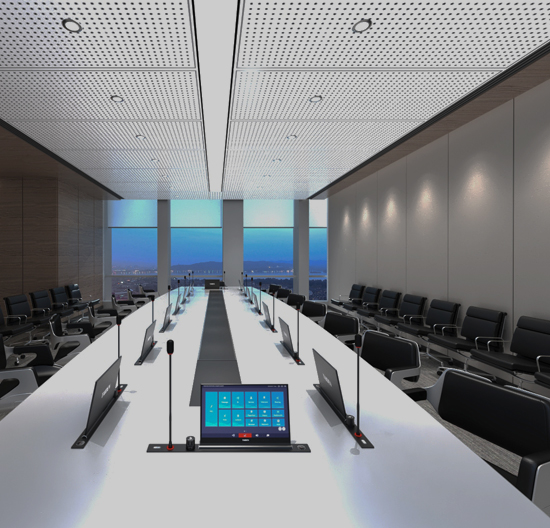
From Room Chaos to Calm Control
Meetings break when sound stutters and screens lag. An audio visual equipment supplier sits behind many of these rooms, yet the last mile often fails at go time. Picture a hybrid stand-up: a mic squeal, a frozen slide, and someone crawling under the table for a cable—again. Data says it is common; teams lose minutes at the start of almost every session. That is not just time. It is trust. Latency builds, confidence drops, and side chats start. The fix is not only new gear. It is how systems sense the space and adjust. Think AV-over-IP paths that adapt, beamforming mics that auto-steer, and edge computing nodes that pre-mix audio before it reaches the cloud. If this level of self-tuning were standard, would we still accept the daily scramble? (Hard to justify.) So the real question: how do we move from hope-and-pray setups to rooms that configure themselves—safely, fast, and repeatable? Let’s compare what you have with what you could have.

The Hidden Fault Lines in Legacy AV
What fails first?
An av solution company can deploy a clean rack, yet legacy patterns carry risk you feel later. Traditional stacks lean on fixed HDBaseT runs, a big DSP matrix, and a single control processor. When one piece drifts—firmware, EDID, or HDCP—the chain snaps. Spare parts look cheap; downtime is not. Look, it’s simpler than you think: closed topologies resist change. They add friction when you swap cameras, add a mic, or split a feed. Power converters multiply, heat rises, fans hum, and reliability dips. You end up tuning the room for the gear, not the people in it.
There is a quiet tax, too. Manual gain staging. Sticky presets. A “do not touch” label on that rack. Every refresh means reprogramming macros and rebalancing headroom. Cable paths lock you into one codec, one display spec, one control surface. Even a small change—like adding soft codec support—needs a site visit. The result is more calls, more rollouts, more drift. And when a daily stand-up blips, no one blames EDID or clock sync. They blame the room. That is the deeper flaw: legacy models hide complexity from budgets but show it to users.
Forward-Looking: Software-Defined, Sensor-Aware AV
What’s Next
New principles flip the script. Instead of fixed chains, rooms use software-defined paths over AV-over-IP or SDVoE, with PoE endpoints and open control APIs. Status flows up; policy flows down. Rooms auto-detect occupancy, noise floor, and camera angles, then set gain, EQ, and routing in seconds. Some av equipment suppliers already expose telemetry from mics, switchers, and codecs, so edge inference can warn of echo before people hear it. It feels simple because it is coordinated—devices speak the same language. Less rewire. More reuse. Faster recovery.
Comparatively, a sensor-aware room reduces guesswork. It maps acoustic profiles by time of day, enforces QoS so packets arrive on time, and checks latency per hop. If one display drops frames, traffic reroutes. If the room gets louder, beamforming mics tighten lobes automatically—funny how that works, right? Firmware rolls back in minutes. Policies versioned like code. And because power budgets travel over PoE, you plan watts, not wish lists. The outcome is not magic. It is disciplined design that treats AV like a network, not a nest of boxes.

How to Choose Without Guesswork
Use clear metrics. First, interoperability depth: demand proof across standards (SIP, AES67, or similar), plus an open, documented control API. Test with mixed endpoints, not lab twins—small change, big truth. Second, resilience you can measure: MTBF projections, firmware rollback paths, and real-time health for endpoints and switches. Watch recovery time after a forced fault—yes, boring, but it pays off. Third, lifecycle cost in the real world: PoE power budget, remote management coverage, and how often a technician must touch the room. If the design cuts on-site visits and shortens setup to under five minutes, you will feel it in adoption. Do this, and rooms stop stealing time. They start giving it back—one meeting, one space, one team at a time. For a grounded example of this approach in practice, see TAIDEN.
