


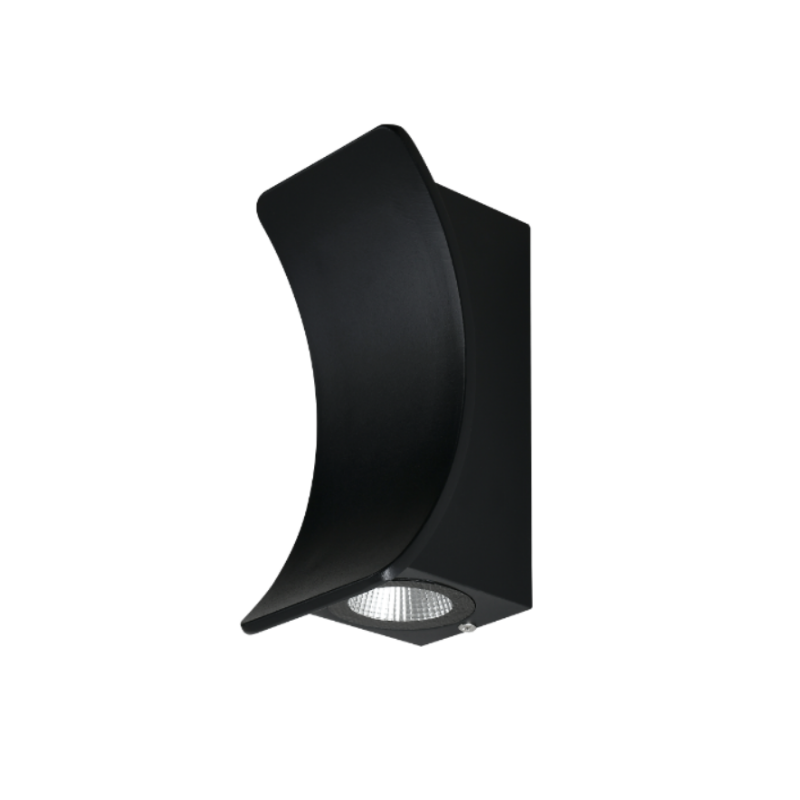
Opening: why the numbers should lead procurement
Buying pier-mount fixtures is rarely just an aesthetic decision — it’s a financial one. When you compare upfront capital against decades of performance, small differences in energy draw, failure rate, or ingress protection compound into real dollars. Start with measurable performance: lumen output, IP rating, and expected lumen depreciation. For sites that need presence sensing and automated control, consider options like an outdoor wall lights motion sensor to cut idle run hours and improve ROI from day one. Data beats intuition here; the U.S. Department of Energy’s long-standing guidance on LED efficiency is a useful anchor — LEDs typically use about 75% less energy and outlast incandescents by decades — and that matters when you amortize fixtures over 10–20 years.
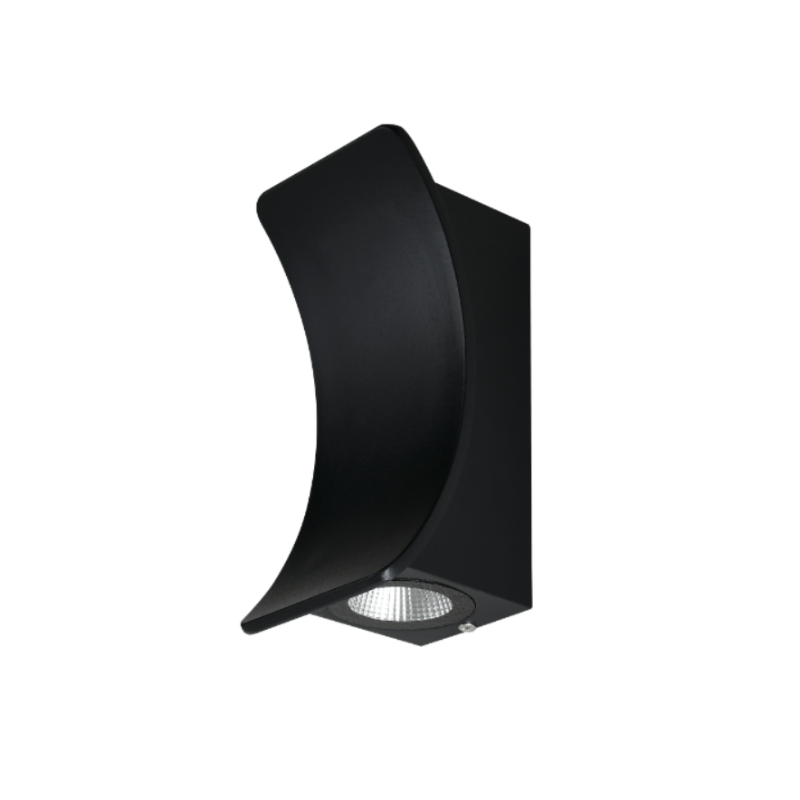
Key metrics that move the ROI needle
Focus on three financial drivers: energy cost, maintenance cost, and replacement cadence. Energy cost is driven by wattage and lumen efficacy (lumens per watt) and influenced by controls like photocells or motion sensors. Maintenance cost depends on mean time between failures (MTBF), ease of access, and whether modules or the entire fixture must be replaced. Replacement cadence ties to expected life — look for L70 or L90 lumen-maintenance projections and LM-79/LM-80 test data when available. Also factor in IP and corrosion-resistant finish; coastal installs need higher IP ratings and marine-grade coatings to avoid early failure.
Building a simple ROI model
Use a 10-year baseline and compare two scenarios: a low-cost fixture at $80/unit with a 5-year life versus a premium unit at $220/unit with a 20-year life. Assume annual energy cost per fixture of $50 for the premium LED and $140 for the low-cost (due to poorer efficacy and lack of controls). Over 10 years the low-cost path may need two replacements and higher energy use; the premium fixture may not. Add maintenance visits at $75 each visit and you’ll see total cost of ownership tilt to the premium option in many cases. Plug in variables — lumen output, LED driver warranty, power factor — to test sensitivity. That’s the power of a data-driven approach: you prove which purchase actually saves money, not just which has the lowest sticker price.
Real-world anchor: lessons from hard weather and long-term pilots
Municipal and utility pilots after storms like Hurricane Sandy highlighted an uncomfortable fact: fixtures with inadequate sealing or cheap electronics fail first, creating acute replacement costs and safety risks. That’s reflected in procurement statements from several city programs that now require surge protection, higher IP ratings, and documented test reports. Translate that to your budget: a single unplanned fleet replacement after corrosion or water ingress can wipe out years of projected savings. So insist on lab data — and on field-proven case notes when possible.
Common sourcing mistakes — and how to stop them
Buyers often undervalue three things: environmental specification, controls compatibility, and warranty clarity. They’ll pick a fixture with attractive photometry but ignore that its driver isn’t easily replaceable — which means you toss the whole unit when the driver fails. They’ll assume a “weatherproof” tag equals long-term sealing. They’ll forget to specify surge protection or inrush limits, and then motion sensors trip nuisance faults. Test a few samples on your actual poles and control system before committing — and get that acceptance checklist signed. Small oversight up front costs you recurring, avoidable headache down the line — and yes, it’s surprisingly common.
Comparing suppliers: what to ask and what to verify
Make your RFQ demand data, not promises. Ask for LM-79/LM-80 reports, in-situ photometric reports, warranty terms for LED modules and drivers, and salt-spray or corrosion test results for coastal projects. Verify the IP rating with a third-party report and confirm spare-parts availability — can they supply replacement LED modules or only whole fixtures? Check mounting adaptors and pier-flange compatibility to avoid field rework. If motion detection is part of the spec, test the vendor’s sensor integration with your network and with local light conditions; sensor tuning is often the last-mile issue that affects lamp-on hours and energy savings.
Alternatives and where each wins
There are three practical classes: heavy-duty, serviceable fixtures; mid-market sealed fixtures with long-life LEDs; and budget sealed units. Heavy-duty, die-cast aluminum fixtures with replaceable modules win for coastal or high-abuse sites. Mid-market sealed fixtures are great for general commercial campuses where ease of procurement and decent warranties matter. Budget fixtures may be right for temporary installs or where theft/vandalism risk makes long-term investment impractical. For softer, ambient perimeter lighting choices consider a soft light wall sconce option in lower-traffic zones to reduce glare and improve perceived safety without over-illuminating — match the photometric plan, not just the look.
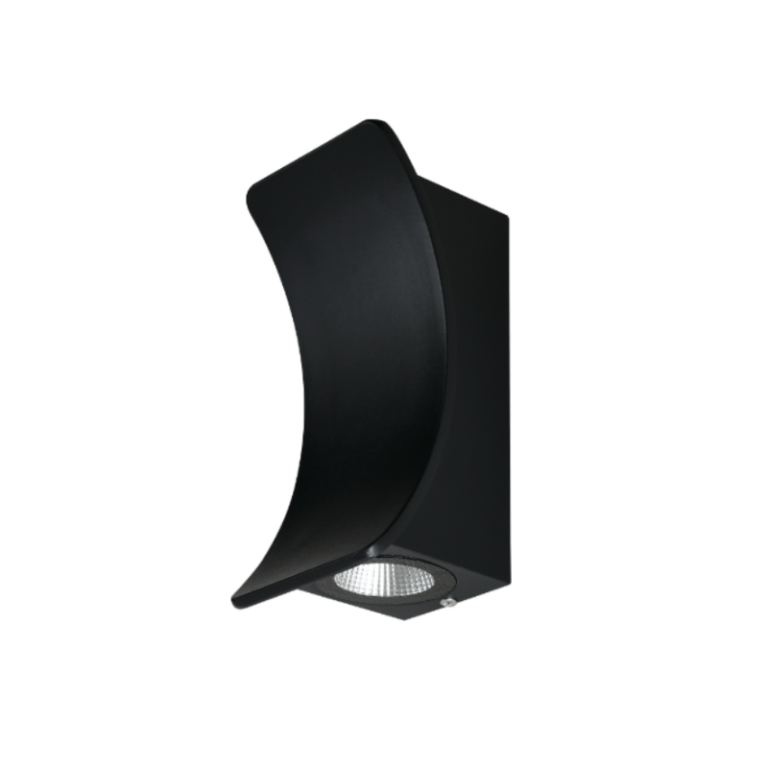
Three golden rules for assessing ROI (your decision checklist)
1) Total Cost of Ownership over expected life: always compare energy, maintenance, and replacement cost over a realistic lifecycle, not unit price alone. 2) Require verified performance: insist on LM reports, IP/corrosion testing, and verified lumen maintenance (L70/L90) claims. 3) Controls and serviceability: ensure fixtures integrate with your lighting control strategy (photocell, motion sensor, surge protection) and that key components are replaceable in the field.
Procurement that treats lighting as a long-term asset — not a consumable — gets better financial outcomes and fewer surprises. For projects where predictable lifespan and durable performance reduce downstream cost and complexity, Keyida sits squarely in the sweet spot of offering tested fixtures, sensible service options, and clear data to back claims. —
